The dollar is heading for its worst week in recent memory, and the proximate cause tells us something important about how markets have been positioned: they were betting on perpetual American chaos.
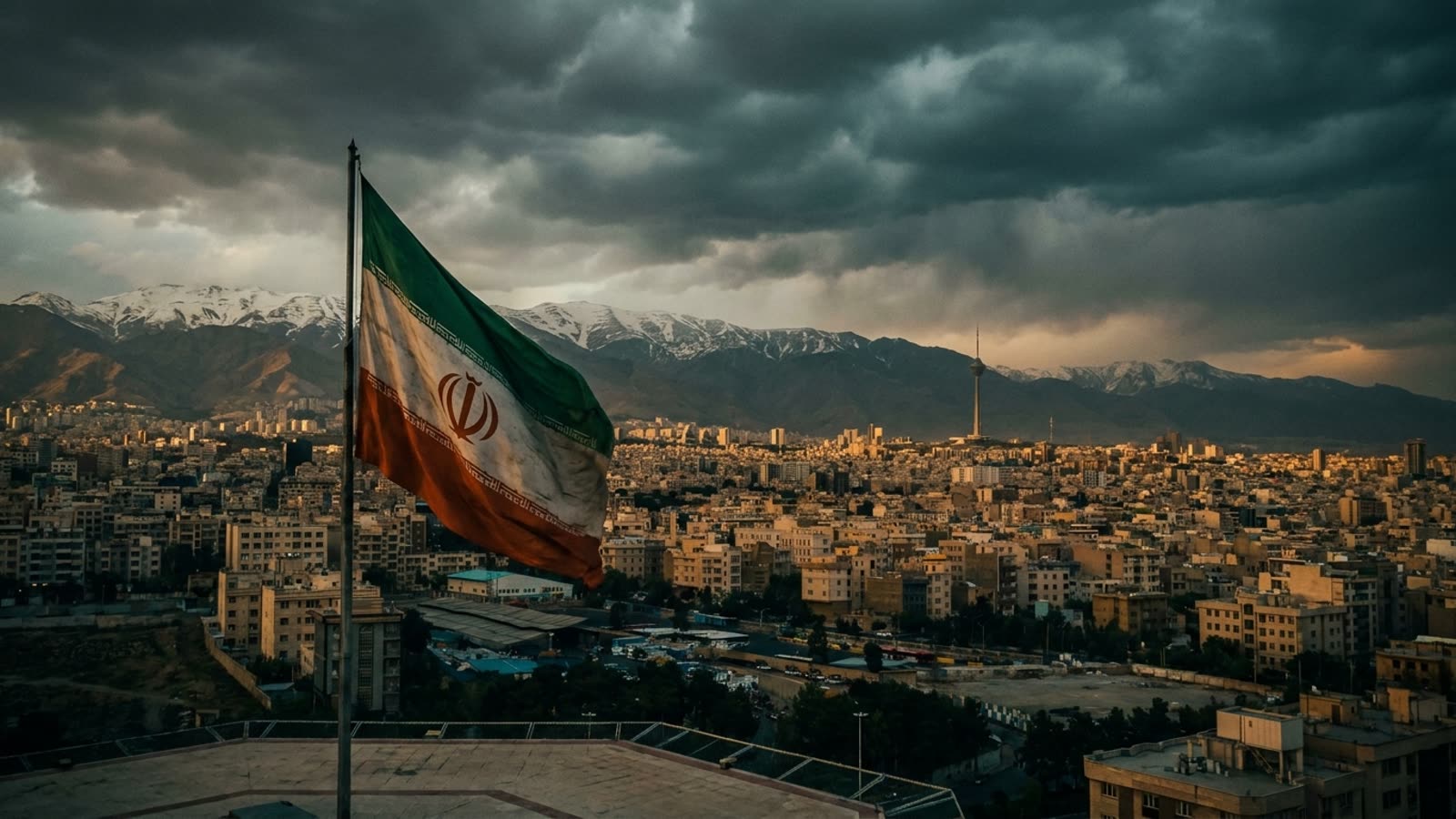
Reports of a potential US-Iran ceasefire framework—still pending presidential approval—have sent the greenback sliding against major currencies. The move isn't dramatic in absolute terms, but it represents a meaningful shift in the safe-haven flows that have propped up the dollar throughout months of Middle East tensions.
The crisis premium unwinds
For much of 2026, the dollar has benefited from a perverse dynamic: the more unstable the world appeared, the more investors piled into American assets. Iran's nuclear brinkmanship, oil supply fears, and the general sense that the Middle East was one miscalculation away from a broader conflagration all drove demand for dollar-denominated safety.
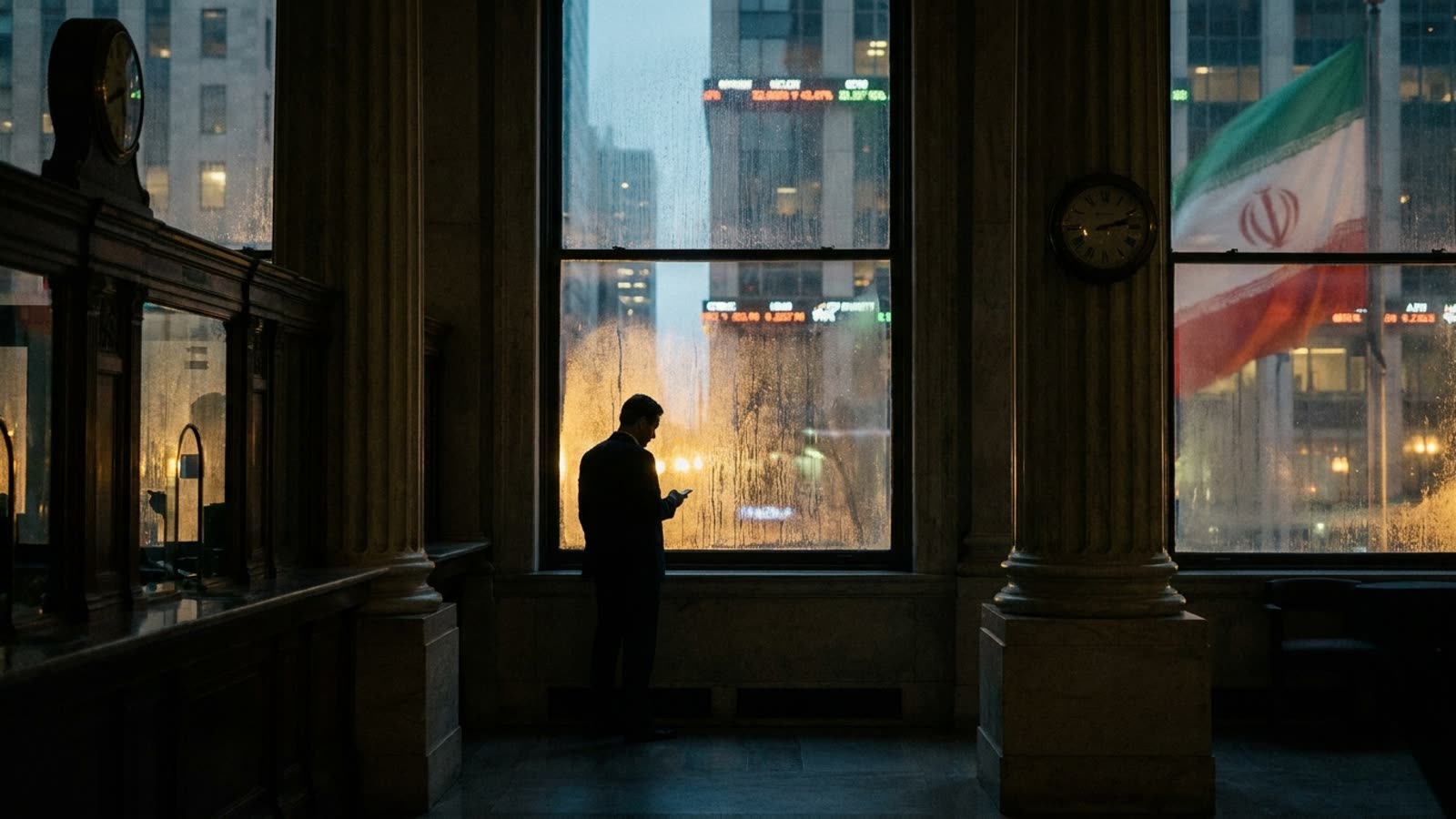
Now that trade is reversing. Currency traders are notoriously forward-looking, and they're evidently concluding that the probability of a major regional war has declined enough to justify reducing dollar exposure. The euro, yen, and pound have all strengthened against the greenback this week.
What the Fed is watching
The timing creates an interesting wrinkle for monetary policy. A weaker dollar typically translates to higher import prices, which could complicate the Federal Reserve's inflation calculus at precisely the moment when price pressures have shown signs of persistence. The April PCE reading—the Fed's preferred inflation gauge—already came in hot.
But a ceasefire that stabilizes oil markets could offset some of that pressure. Energy prices have been a wild card in inflation forecasts for months, and removing the Iran risk premium from crude would give the Fed more room to maneuver on rates.
The approval question
All of this assumes the ceasefire framework actually gets signed. The deal reportedly requires presidential approval, and the administration has sent mixed signals about its willingness to formalize any agreement with Tehran. Markets are pricing in a high probability of success, but that confidence could prove premature.
If the deal falls apart, expect a sharp reversal in currency markets. The dollar would likely reclaim its recent gains within days, and the safe-haven trade would resume with a vengeance.
Our take
The dollar's decline is less about Iran specifically than about what Iran represents: the market's baseline assumption that American foreign policy generates volatility rather than stability. That assumption has been profitable for dollar bulls, but it's also a damning commentary on how the world views Washington's role in global affairs. A ceasefire would be good for peace. It would also be a useful test of whether markets can imagine an America that doesn't require a crisis premium.