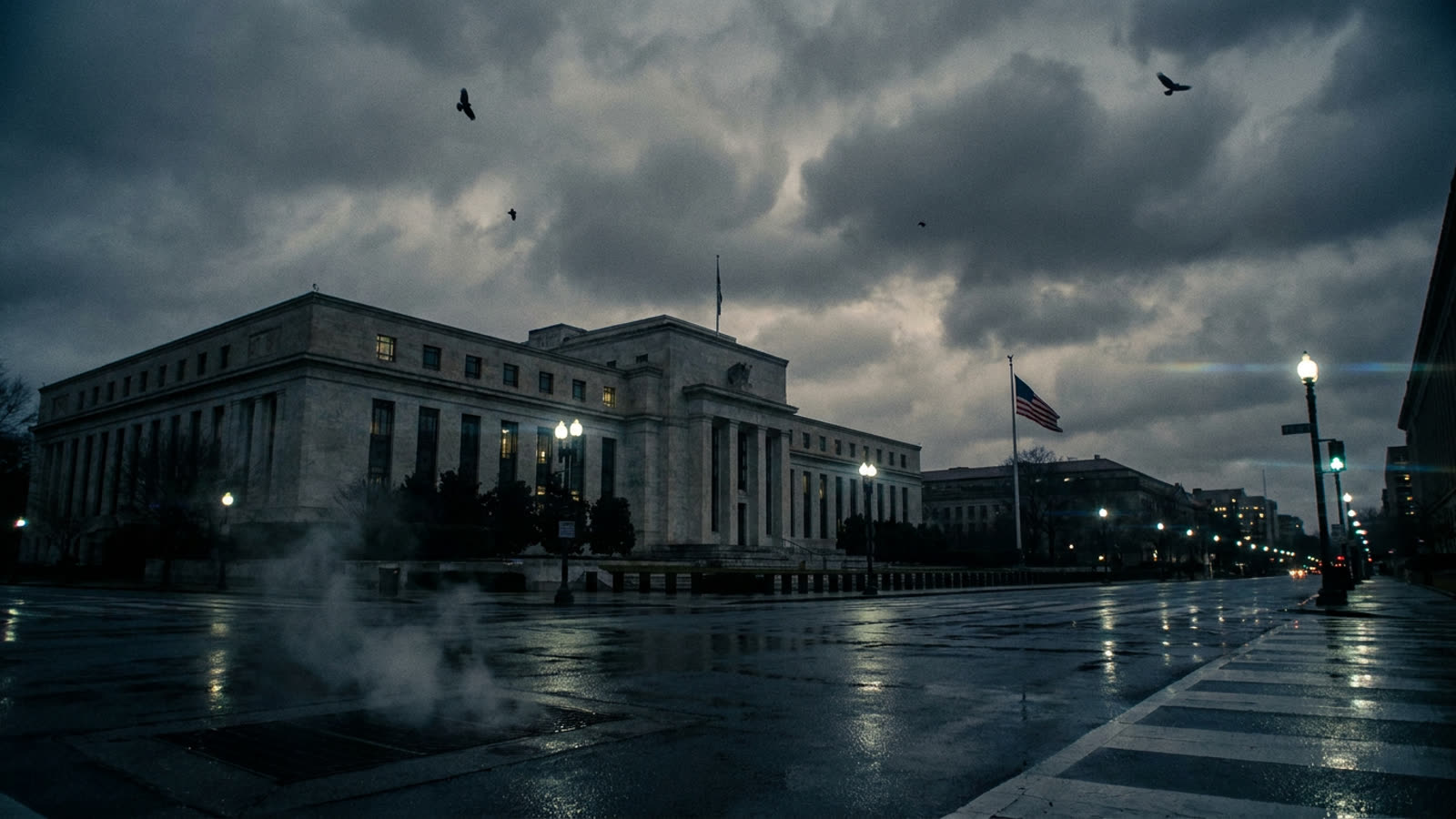
The Iran conflict has consumed headlines, but the more consequential battle is being waged in central bank vaults, trade finance corridors, and diplomatic back channels. The United States is actively devising strategies to preserve the dollar's role as the world's reserve currency, while China is exploiting the moment of American distraction to expand the renminbi's global footprint. This is not a future scenario; it is happening now, and the stakes dwarf any single military campaign.
The dollar's dominance has long been treated as a law of nature rather than a policy achievement requiring maintenance. That complacency is ending. Treasury officials and Federal Reserve economists are reportedly working on initiatives to reinforce dollar liquidity in emerging markets, strengthen swap lines with allied central banks, and counter Beijing's growing network of bilateral currency agreements. The urgency is palpable: a reserve currency that loses credibility does not decline gradually—it collapses in confidence cascades.
China's parallel infrastructure
Beijing has spent a decade building the plumbing for a post-dollar world. The Cross-Border Interbank Payment System (CIPS), launched in 2015, now processes over $50 billion daily and offers an alternative to SWIFT that is immune to American sanctions. China has signed renminbi swap agreements with more than 40 central banks, from Argentina to Saudi Arabia. And the digital yuan—already piloted domestically—gives Beijing a tool to bypass dollar-denominated systems entirely in cross-border trade.
None of this makes the renminbi a replacement for the dollar tomorrow. China's capital controls, opaque legal system, and relatively shallow bond markets remain serious obstacles. But Beijing is not trying to win outright; it is trying to create optionality. Every country that can settle oil in renminbi or hold reserves in Chinese government bonds is a country less vulnerable to American financial coercion—and less invested in defending dollar supremacy.
The Iran factor
The war has accelerated both sides' timelines. Sanctions on Iranian oil have reminded every energy-importing nation that dollar dependence is geopolitical exposure. Meanwhile, surging Treasury yields and a stronger dollar have strained emerging-market balance sheets, reviving memories of past crises triggered by American monetary tightening. For countries already skeptical of Washington's reliability, the case for diversification has never been clearer.
The irony is that American sanctions power—the very weapon that makes the dollar so strategically valuable—is also the force pushing rivals to seek alternatives. Each time Washington weaponizes the financial system, it provides fresh motivation for the BRICS bloc and beyond to accelerate de-dollarization experiments.
Our take
Reserve currency status is not a birthright; it is a franchise that must be earned continuously through economic stability, legal predictability, and geopolitical restraint. The U.S. still holds enormous structural advantages, but the margin for error is shrinking. If Washington treats dollar dominance as an inexhaustible resource to be spent on short-term coercion, it may wake up one day to find the franchise has quietly migrated east. The Iran war will end. The currency contest will not.