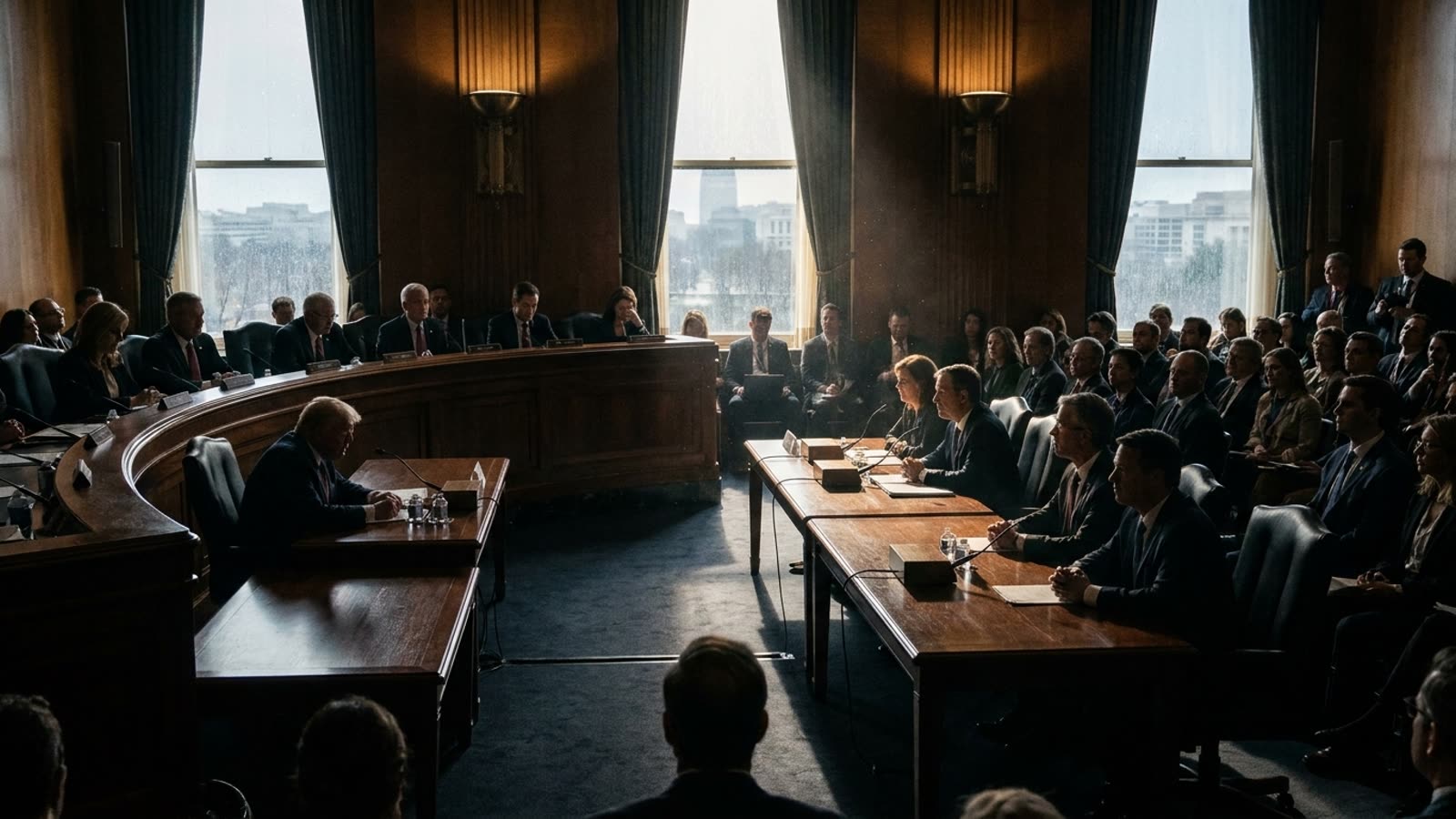
The Democratic Party's Senate majority has always been a precarious thing, a one- or two-seat margin that turns every competitive race into an existential crisis. Now, with warning signs flashing in what should be friendly territory, party strategists are confronting an uncomfortable truth: their 2026 map was never as favorable as they convinced themselves it was.
Internal polling shared among Democratic operatives shows erosion in precisely the demographics the party assumed it had locked down—college-educated suburbanites who turned against Trump in 2020 but have grown weary of inflation narratives and what they perceive as legislative gridlock. The numbers are not catastrophic, but they are trending in the wrong direction at exactly the wrong time.
The fundraising problem nobody wants to discuss
Small-dollar donations, long the party's bragging point about grassroots enthusiasm, have slowed considerably compared to the same period in the 2024 cycle. ActBlue figures suggest a donor base that is fatigued, distracted, or both. Meanwhile, Republican outside groups have poured resources into early television buys that went largely unanswered through the summer, allowing opposition narratives to calcify before Democratic campaigns could respond.
The structural disadvantage is compounded by candidate quality concerns that party leadership tried to paper over during the primary season. Nominating contests that prioritized ideological purity over electability have left Democrats defending positions on crime and immigration that poll poorly even among their own base in swing districts.
Why the national environment isn't helping
Presidential approval ratings, while not disastrous, have failed to provide the coattail effect that down-ballot candidates desperately need. The White House's legislative agenda has stalled, depriving Senate candidates of accomplishments to campaign on. Instead, they find themselves explaining why promises made two years ago remain unfulfilled—never a winning message.
Republicans, sensing opportunity, have nationalized races that Democrats hoped to keep local. Every Democratic candidate is now running against both their opponent and a caricature of coastal liberalism that plays poorly in states where the party needs to win.
Our take
The Democratic Party's Senate problem is not a messaging failure or a fundraising shortfall, though it is both of those things. It is a structural misreading of the electorate that assumed 2020's coalition was durable rather than circumstantial. Voters who turned out to reject Trump did not necessarily embrace the Democratic agenda; they simply found the alternative intolerable. With Trump himself not on the ballot, that negative motivation has dissipated, leaving Democrats to make an affirmative case they have struggled to articulate. The warning signs were always there. The party simply chose not to read them.