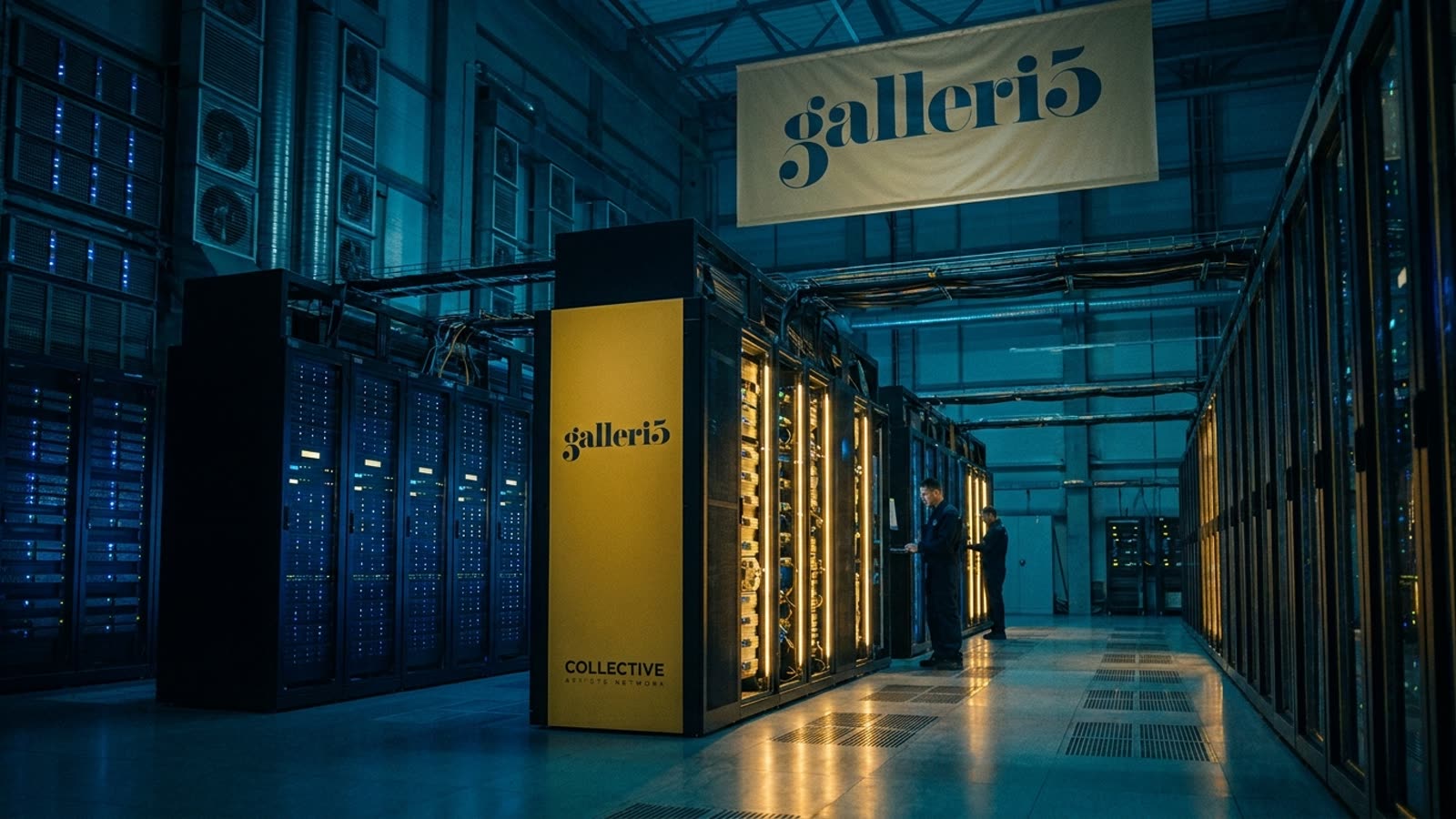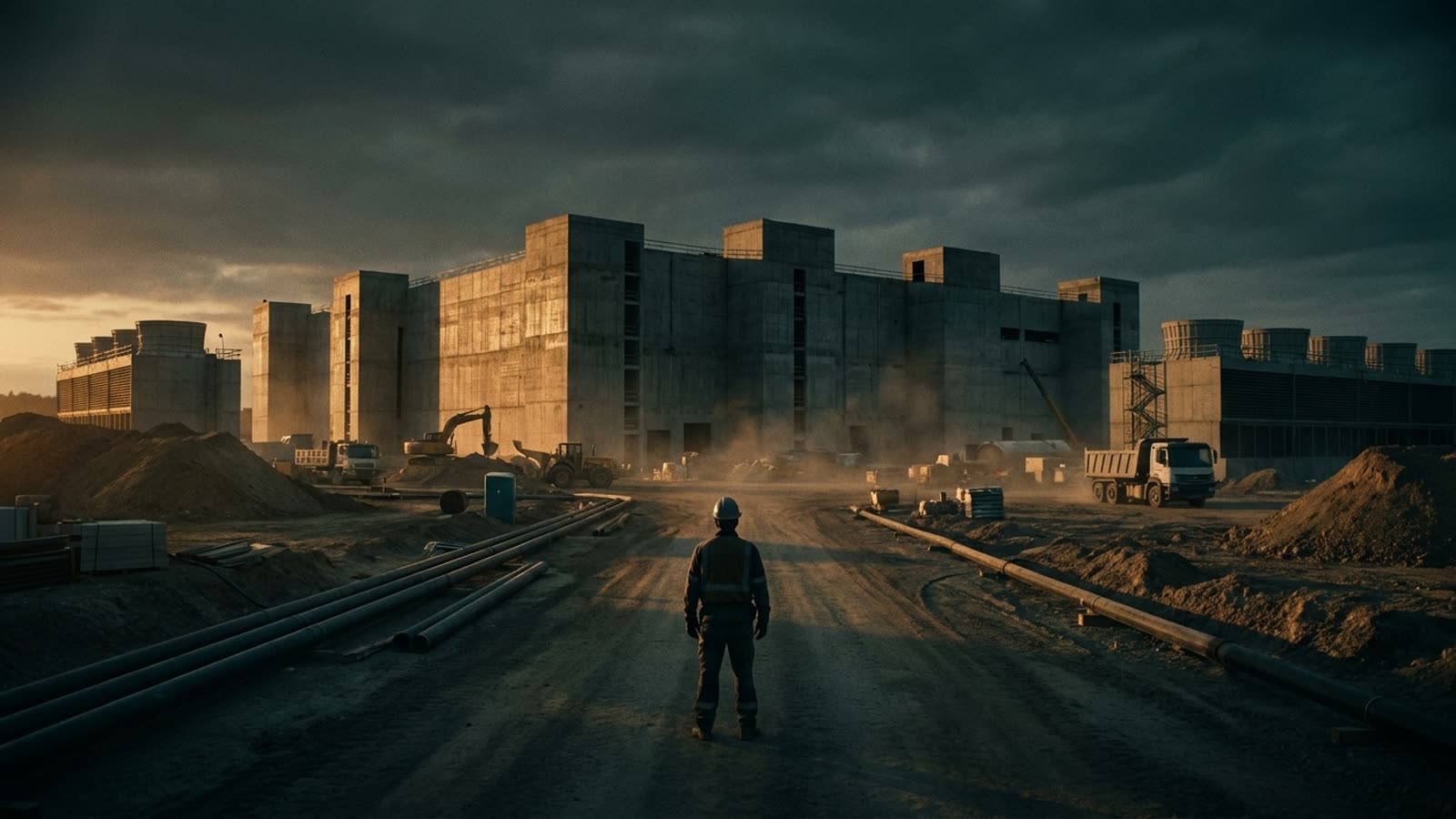
The data center was once a forgettable box in an industrial park, as politically inert as a warehouse full of cardboard. That era is over. With the US midterm elections now days away, candidates in swing districts from Virginia to Arizona are being forced to take positions on whether their communities should host the server farms that power everything from ChatGPT queries to cloud backups — and whether the tradeoffs are worth it.
The shift reflects a basic math problem: artificial intelligence is extraordinarily hungry. Training a single frontier model can consume as much electricity as a small town uses in a year. Inference — the process of actually running these models billions of times a day — multiplies that demand. The International Energy Agency now projects that global data center electricity consumption will more than double by 2030, with AI workloads accounting for the majority of the increase.
The local cost of global compute
For communities near proposed or expanding facilities, the concerns are tangible. Data centers require vast quantities of water for cooling — a fact that becomes politically explosive in drought-prone regions. They strain electrical grids, sometimes forcing utilities to delay the retirement of fossil-fuel plants or build new transmission infrastructure at ratepayer expense. And they deliver fewer jobs per acre than traditional industrial development, a point opponents have seized upon.
In northern Virginia, which hosts the densest concentration of data centers on Earth, local officials have grown increasingly vocal about the mismatch between the tax revenue these facilities generate and the infrastructure burden they impose. Similar debates are playing out in Ohio, Texas, and the Phoenix suburbs, where hyperscalers have announced billions in new investment.
The counterargument
Defenders of data center development point to the economic multiplier effects: construction jobs, property tax revenue, and the strategic importance of keeping AI infrastructure on American soil rather than ceding it to competitors abroad. Some tech companies have begun signing power-purchase agreements for renewable energy or investing in nuclear projects to address the carbon critique, though critics note these efforts often lag behind actual construction timelines.
The Biden administration has largely encouraged domestic data center expansion as part of its industrial policy agenda, viewing compute capacity as critical infrastructure. But that federal enthusiasm does not automatically translate to local enthusiasm, particularly when residents watch their electricity bills rise or their aquifers deplete.
Our take
The politicization of data centers is a healthy development, even if it complicates the AI industry's expansion plans. For years, the physical infrastructure of the internet operated in a kind of democratic blind spot — too boring to debate, too technical to regulate meaningfully. AI has changed that calculus by making the resource demands impossible to ignore. Communities have every right to weigh the benefits of hosting global compute against the costs of living next to it. The companies building these facilities would be wise to engage that debate seriously rather than treating local opposition as a nuisance to be overcome with tax incentives and PR campaigns.