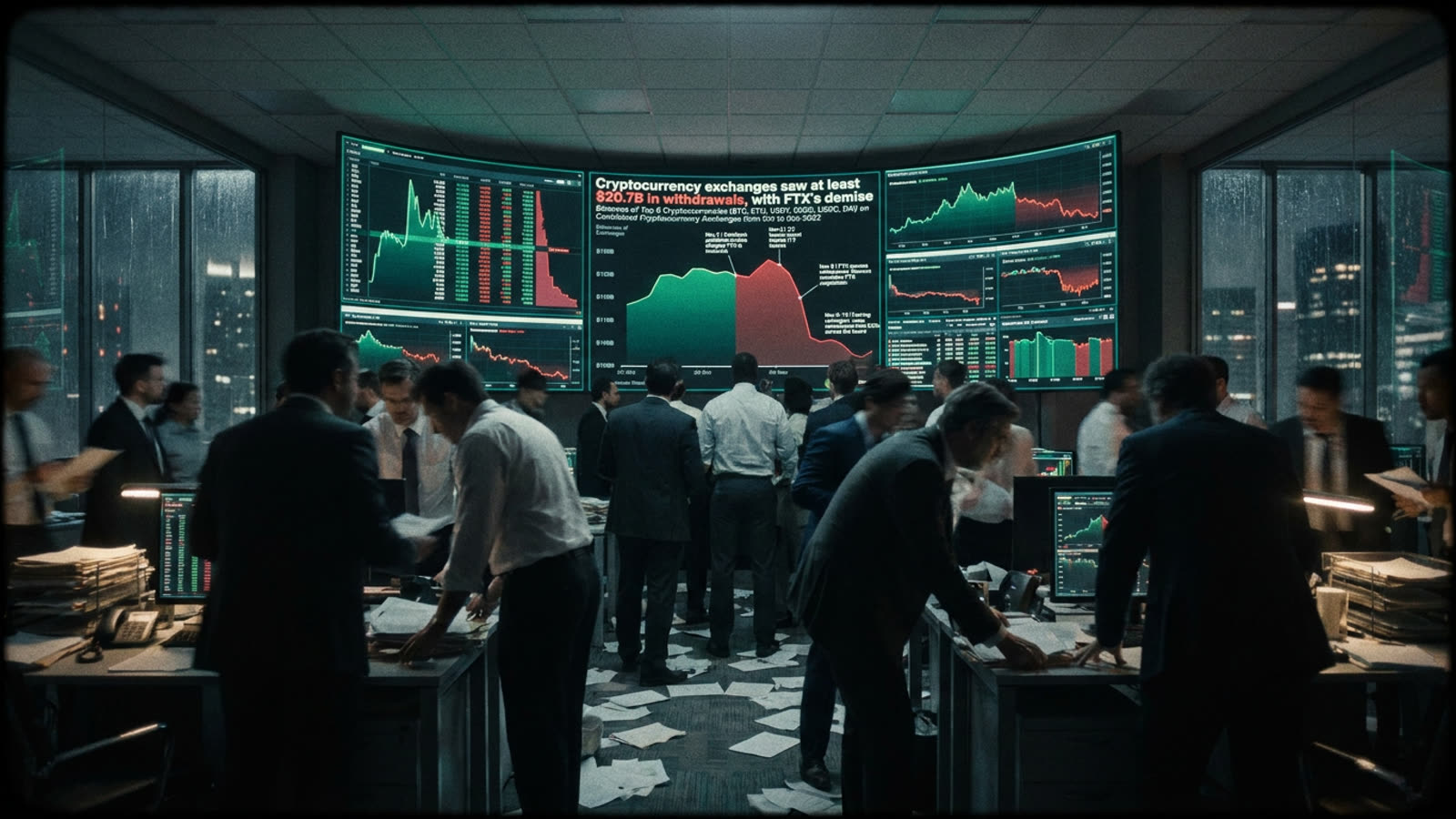
The history of cryptocurrency is punctuated by spectacular implosions, and the most instructive ones share a common architecture: a trusted intermediary, a charismatic founder, and a fatal gap between what users believed they owned and what actually existed on a balance sheet.
Mt. Gox set the template. The Tokyo-based exchange handled the majority of global Bitcoin trading in its early years, then collapsed in 2014 after revealing that hundreds of thousands of Bitcoin had vanished—whether through hack, mismanagement, or fraud remains debated to this day. Creditors waited more than a decade for partial recovery. The lesson was clear, if widely ignored: holding assets on an exchange meant trusting a single point of failure.
The pattern repeats
The years that followed produced variations on the theme. QuadrigaCX, a Canadian exchange, became inaccessible after its founder died under disputed circumstances in 2018, taking the private keys—and customer funds—with him. Celsius Network and Voyager Digital collapsed during the 2022 market downturn, revealing that customer deposits had been lent out, rehypothecated, and lost. Then came FTX, the most spectacular failure of all: a multi-billion-dollar exchange that turned out to be commingling customer funds with a sister trading firm, all while its founder collected magazine covers and regulatory goodwill.
Each collapse followed the same arc. Rapid growth built on trust. Opacity about actual reserves. A liquidity crisis that exposed the gap. Bankruptcy, recriminations, and a long queue of creditors.
What actually survived
The infrastructure that emerged from these wrecks looks different from what preceded it. Proof-of-reserves attestations, once a fringe demand, became table stakes for major exchanges. Hardware wallet sales surged after each collapse, as users rediscovered the old cypherpunk maxim about keys and coins. Decentralized exchanges—clunky, expensive, and slower than their centralized counterparts—gained market share not because they were better, but because they eliminated the custodian entirely.
The surviving centralized exchanges adapted too. Coinbase, Kraken, and Binance now publish reserve attestations with varying degrees of rigor. Regulatory pressure, once resisted, became a competitive moat: being licensed in multiple jurisdictions signaled staying power. The cowboys were replaced, or at least supplemented, by compliance officers.
Our take
The crypto industry's relationship with trust is paradoxical. The technology was designed to eliminate intermediaries, yet the most popular products reintroduced them. Each collapse is a painful reminder that the original vision—self-custody, cryptographic verification, no counterparty risk—was not paranoia but prescription. The survivors are the ones who learned to build as if the next Mt. Gox is always around the corner, because it probably is.