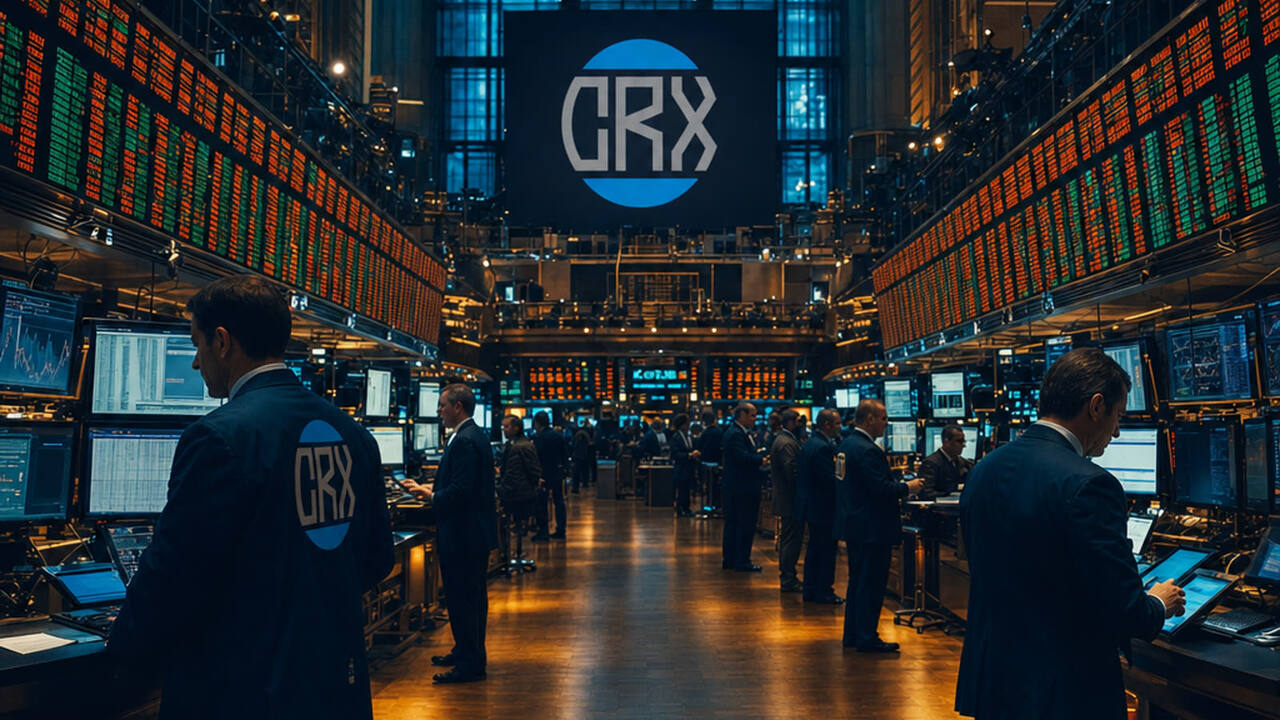
The gap between crypto exchanges and traditional finance has always been less about ideology than infrastructure. Hedge funds that happily trade emerging-market debt or weather derivatives have balked at bitcoin not because they find it philosophically objectionable, but because the operational machinery—custody, margin, settlement—has felt improvised. CRX Trade, launching this week from Zurich, is betting that the machinery problem is now solvable.
The firm is positioning itself as a prime brokerage for digital assets, offering the same bundle of services that Goldman Sachs or Morgan Stanley provide to institutional clients in equities and fixed income: consolidated access to multiple exchanges, unified margin accounts, securities lending, and—critically—a single counterparty relationship that satisfies compliance departments. The timing is not accidental. Tokenized stock trading volumes have surged in recent months as platforms like Backed Finance and Swarm Markets have brought equity exposure onto blockchain rails, creating a hybrid asset class that demands hybrid infrastructure.
The Prime Brokerage Gap
For years, crypto's institutional story has been hampered by fragmentation. A fund wanting exposure to bitcoin, ether, and a handful of altcoins might need accounts at Coinbase, Kraken, and Binance, each with separate custody arrangements, capital requirements, and reporting formats. Traditional prime brokers have dabbled—Fidelity, BNY Mellon—but none have offered the comprehensive, exchange-agnostic service model that defines prime brokerage in equities. CRX Trade is explicitly targeting that gap, with connectivity to major centralized exchanges and plans to integrate decentralized venues.
The Swiss domicile is strategic. Switzerland's FINMA has developed one of the clearer regulatory frameworks for digital assets in the developed world, and Zurich's private-banking ecosystem provides a natural client base of family offices and asset managers already comfortable with alternative investments. CRX Trade is not the first to pursue this thesis—Copper, Fireblocks, and Hidden Road have all built pieces of the institutional stack—but the explicit prime-brokerage branding suggests confidence that the market is ready for a full-service offering.
Why Tokenized Stocks Change the Calculus
The surge in tokenized equity trading is the underappreciated catalyst here. When digital assets meant only bitcoin and speculative tokens, traditional finance could afford to treat crypto as a curiosity. But tokenized stocks—fractionalized, 24/7-tradable representations of Apple or Tesla shares—create a bridge that compliance officers and portfolio managers can cross without existential discomfort. A prime broker that can clear both native crypto and tokenized equities through a single margin account suddenly looks less like a crypto-native experiment and more like the future of multi-asset trading.
CRX Trade's launch comes as European regulators finalize MiCA implementation and U.S. policymakers debate stablecoin legislation, creating a window where institutional players are actively seeking compliant on-ramps. The firm will face competition from incumbents expanding their digital-asset offerings and from crypto-native custodians moving upmarket, but the prime-brokerage model—relationship-driven, service-intensive, margin-efficient—has proven durable in traditional markets for decades.
Our take
Crypto's institutional chapter has been written in fits and starts, with each cycle producing infrastructure that survives the subsequent crash. Prime brokerage is the plumbing that made modern hedge funds possible; its arrival in digital assets suggests that the serious money is no longer waiting for permission. Whether CRX Trade specifically succeeds matters less than what its existence signals: the asset class is being normalized not by regulation or retail enthusiasm, but by the quiet construction of boring, essential financial services.