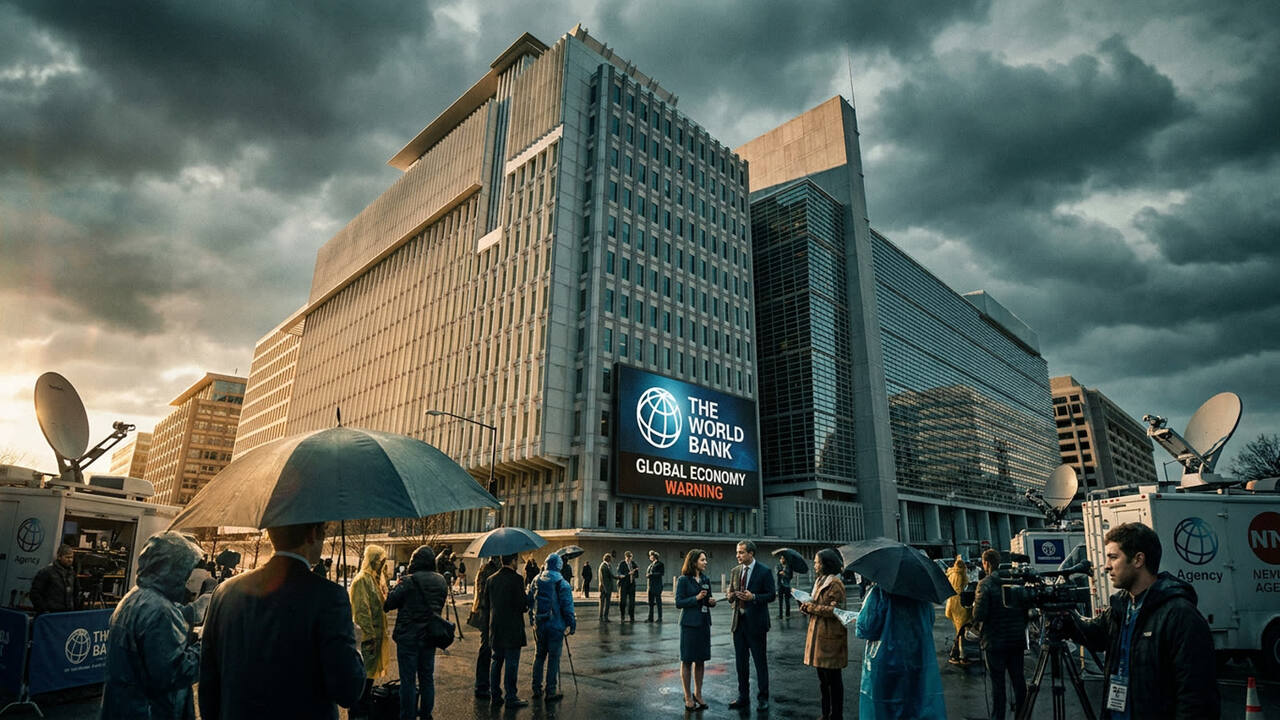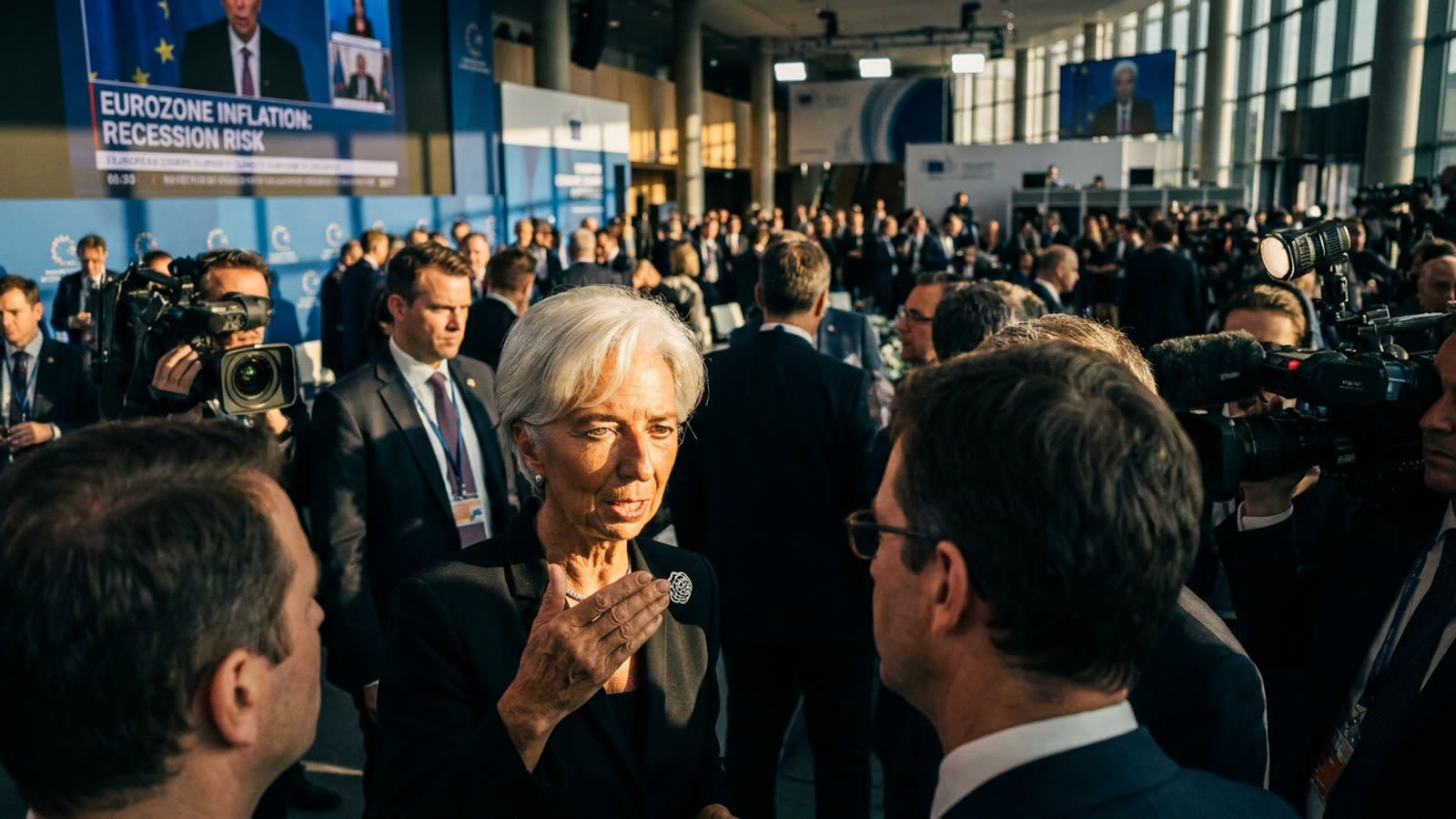
The Consumer Price Index for May came in hot — hotter than anyone on Wall Street wanted to see with a shooting war in the Persian Gulf and a Federal Reserve already running out of room to maneuver. The headline number, driven almost entirely by energy costs that have surged since U.S.-Iran hostilities escalated, confirms what grocery shoppers and gas station customers already knew: the inflation dragon that Jerome Powell spent three years slaying has woken up again.
This is not the demand-driven inflation of 2022, when stimulus checks and reopening euphoria sent prices spiraling. This is supply-shock inflation, the kind that central banks historically handle badly because their only tool — raising interest rates — does nothing to put more oil tankers in the water or reopen shipping lanes. The Fed can cool demand, but it cannot negotiate a ceasefire.
The energy arithmetic
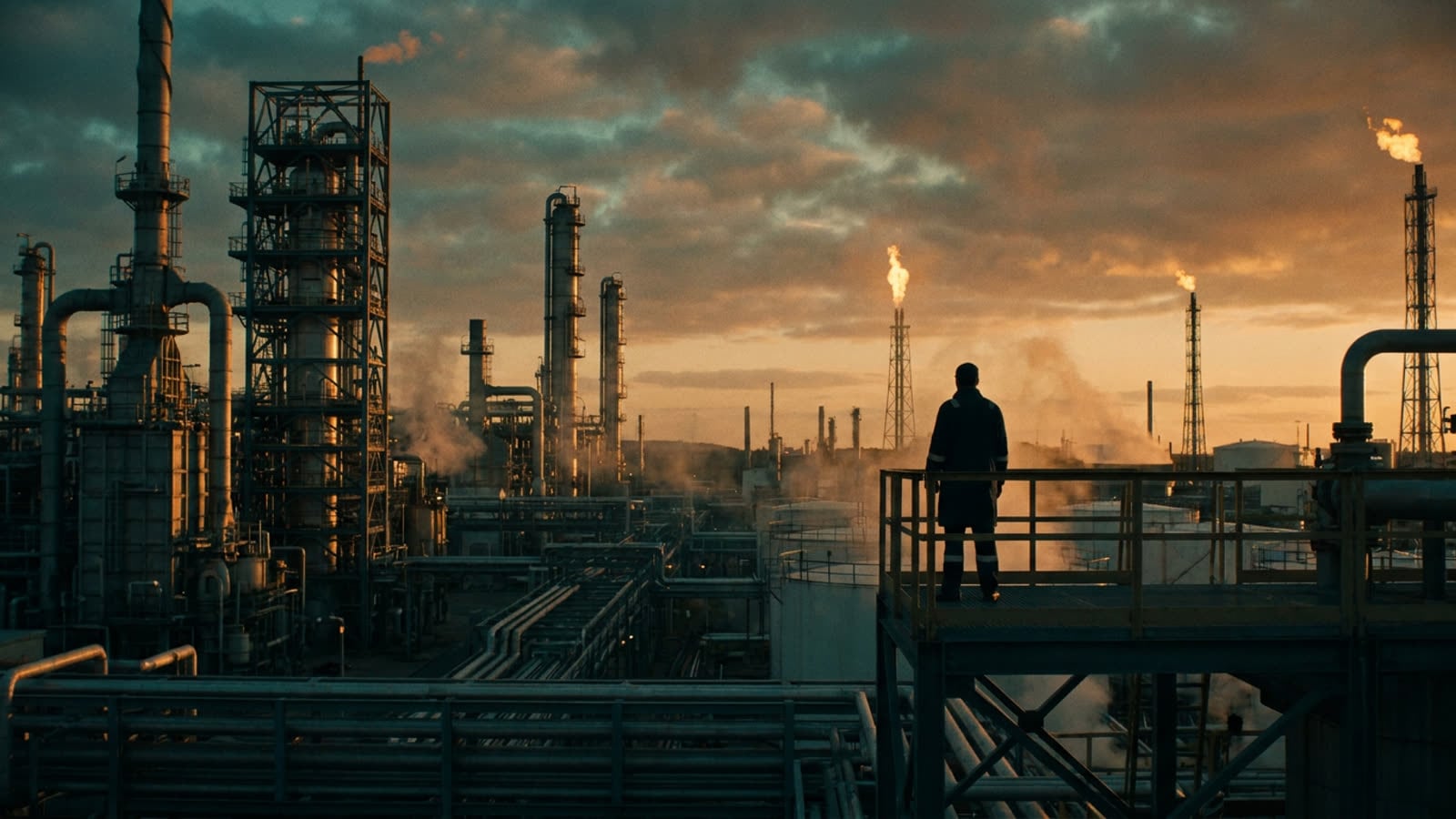
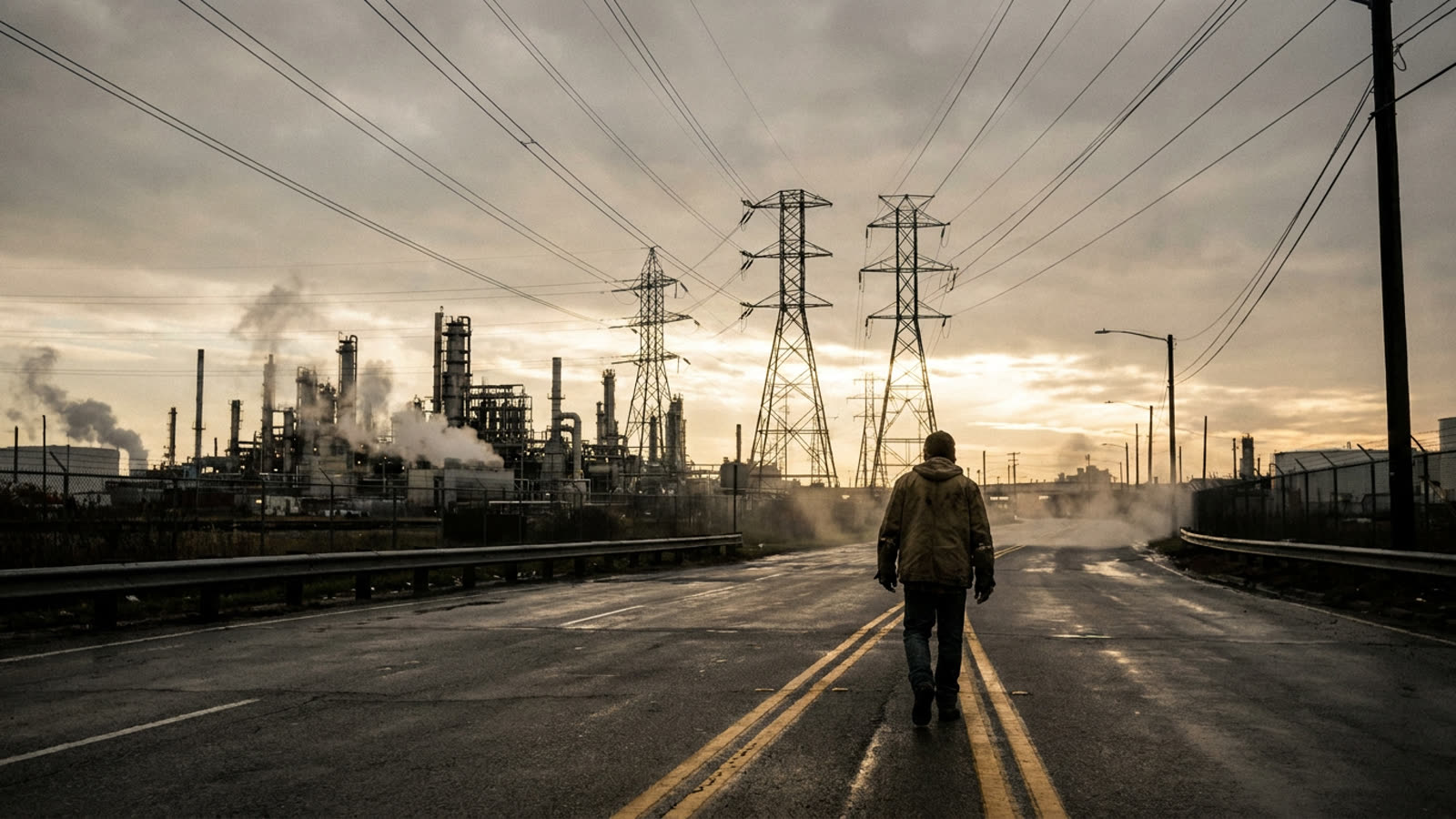
Oil's march past $95 a barrel in recent weeks has rippled through the entire economy with brutal efficiency. Transportation costs feed into food prices. Diesel feeds into manufacturing. Natural gas feeds into electricity bills and, by extension, into the cost of running data centers, which feeds into the price of cloud computing, which feeds into the cost of everything from streaming subscriptions to airline booking systems. The interconnectedness of modern supply chains means there is no such thing as a contained energy shock anymore.
The bond market responded exactly as textbooks would predict: yields climbed as traders priced in either higher-for-longer rates or, more ominously, the possibility that the Fed has lost control of the narrative. The two-year Treasury, the instrument most sensitive to near-term policy expectations, moved sharply. Equity futures, already nervous after last week's tech correction, extended losses.
The political overlay
What makes this CPI print particularly combustible is its timing. The administration has staked its economic credibility on the argument that military action against Iran will ultimately stabilize energy markets by demonstrating resolve. The opposing view — that every missile strike adds a risk premium to every barrel of crude — now has fresh data on its side. Voters do not parse the difference between war-driven inflation and demand-driven inflation; they parse the price at the pump.
The Fed, for its part, finds itself in the unenviable position of being expected to do something about a problem it did not create and cannot solve. Raising rates aggressively would crush an economy already absorbing the uncertainty of armed conflict. Holding steady would invite accusations of complacency. There are no good options, only less bad ones.
Our take
This is the report that ends the soft-landing fantasy. For two years, markets operated on the assumption that inflation could be tamed without serious economic pain and that geopolitical risk was something that happened to other countries. May's CPI is a reminder that the global economy remains hostage to a handful of chokepoints — the Strait of Hormuz chief among them — and that no amount of financial engineering can substitute for stable energy supplies. The Fed will likely talk tough and move cautiously, which is probably the right call. But the conversation has shifted: we are no longer debating whether the economy can stick the landing. We are debating how hard the fall will be.