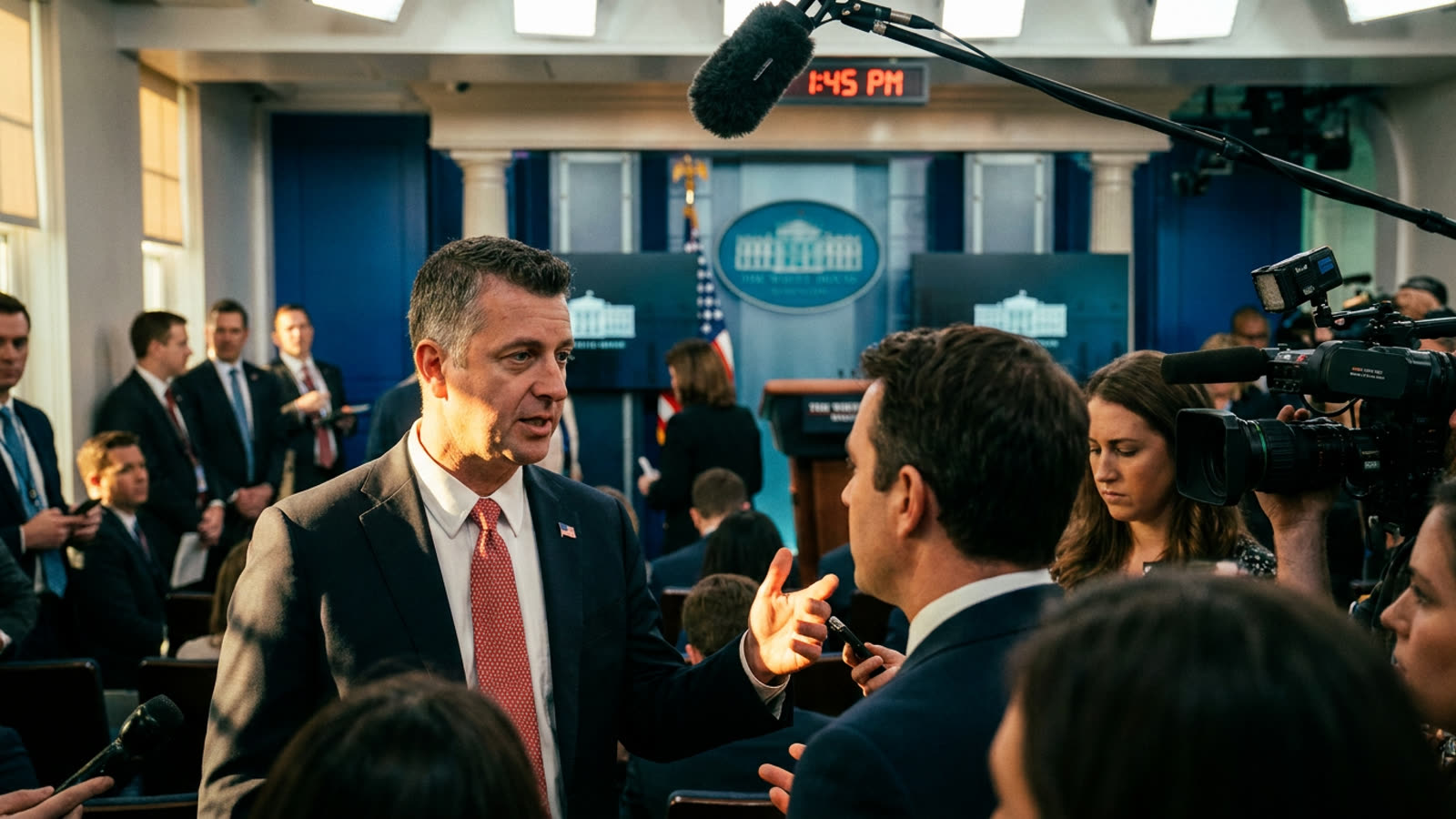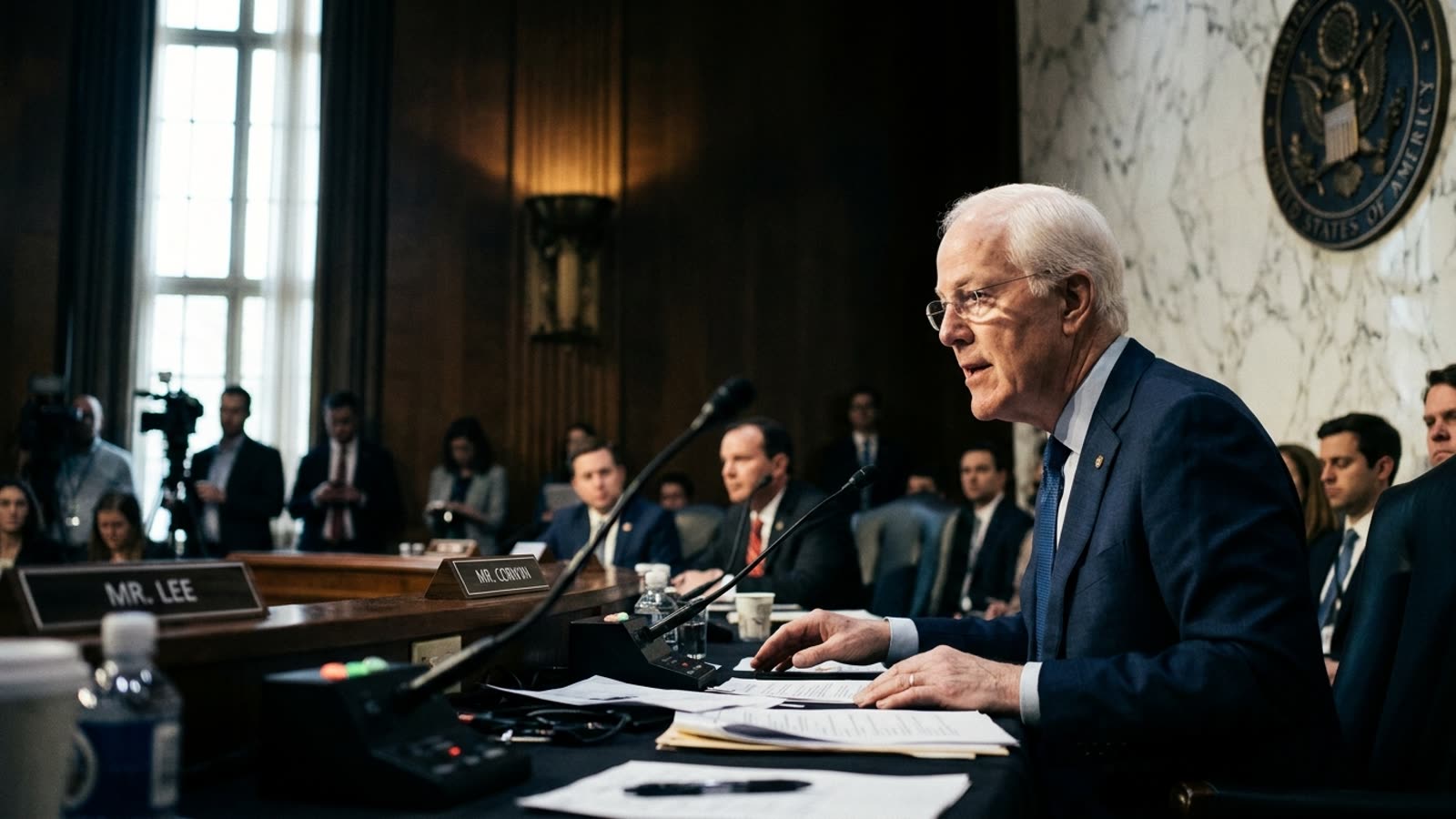
John Cornyn is doing what senators do: shaking hands at barbecue joints, posing with local sheriffs, and pretending that a fifth term representing Texas is the culmination of his political ambitions. It is not. The 74-year-old Republican, who lost the Senate GOP leadership race to John Thune in November 2024, is running a campaign with two audiences—Texas voters who will decide whether he returns to Washington, and Republican colleagues who will eventually decide whether he leads them there.
The dual nature of Cornyn's project explains certain oddities in his early campaign posture. He has been notably cautious on the Iran ceasefire, neither embracing the administration's framework with full enthusiasm nor joining the hawkish critics who view any deal as capitulation. For a senator from a state with substantial defense industry interests and a conservative base skeptical of diplomatic overtures to Tehran, this is a tightrope walk that only makes sense if the audience extends beyond the Texas primary electorate.
The leadership math
Thune's victory over Cornyn and Rick Scott was narrower than the eventual 29-24 margin suggested; several senators reportedly made late decisions, and the Florida senator's insurgent candidacy scrambled what had been a two-man race. Thune, now 65, has given no indication he plans to serve indefinitely, and the Senate Republican conference will look meaningfully different after the 2026 and 2028 cycles. Cornyn's reelection is Step One in remaining viable for another leadership bid—or for positioning himself as an elder statesman who can broker the next transition.
His campaign infrastructure reflects this ambition. Cornyn has been raising money at a pace that far exceeds what a Texas Republican needs to dispatch a primary challenger or general election opponent. The surplus becomes a war chest for doling out contributions to vulnerable colleagues, the traditional currency of leadership campaigns.
Texas as backdrop
The actual Texas race is unlikely to generate drama. No serious Democratic challenger has emerged, and the state's rightward drift since 2020 has made statewide Republican primaries the only competitive contests. Cornyn's occasional deviations from MAGA orthodoxy—his work on the 2022 gun safety bill, his skepticism of election denialism—could theoretically attract a primary challenger, but the filing deadline approaches with no credible threat materialized.
This frees Cornyn to campaign in a register aimed at sophisticates rather than populists. His early speeches have emphasized institutional knowledge, bipartisan dealmaking capacity, and the importance of Texas seniority on the Judiciary and Intelligence committees. These are arguments that resonate in Senate cloakrooms more than at county Republican dinners.
Our take
There is something almost quaint about Cornyn's project—a senator who believes that accumulating chits, demonstrating legislative competence, and outlasting rivals still constitutes a viable path to power in a party transformed by very different incentives. He may be right. The Senate remains the last redoubt of the old politics, where relationships and procedure still matter, where a man can lose a leadership race and simply wait for the next one. Whether that institution survives contact with the forces reshaping American conservatism is the real question Cornyn's campaign poses, even if he would never frame it that way.