The war with Iran was supposed to be a quick, decisive affair — a matter of weeks, the administration promised, before Tehran capitulated to American pressure. That was three months ago. Now thirteen flag-draped coffins have returned to Dover Air Force Base, and the families left behind are asking a question that has haunted every American conflict since Vietnam: what exactly did their loved ones die for?
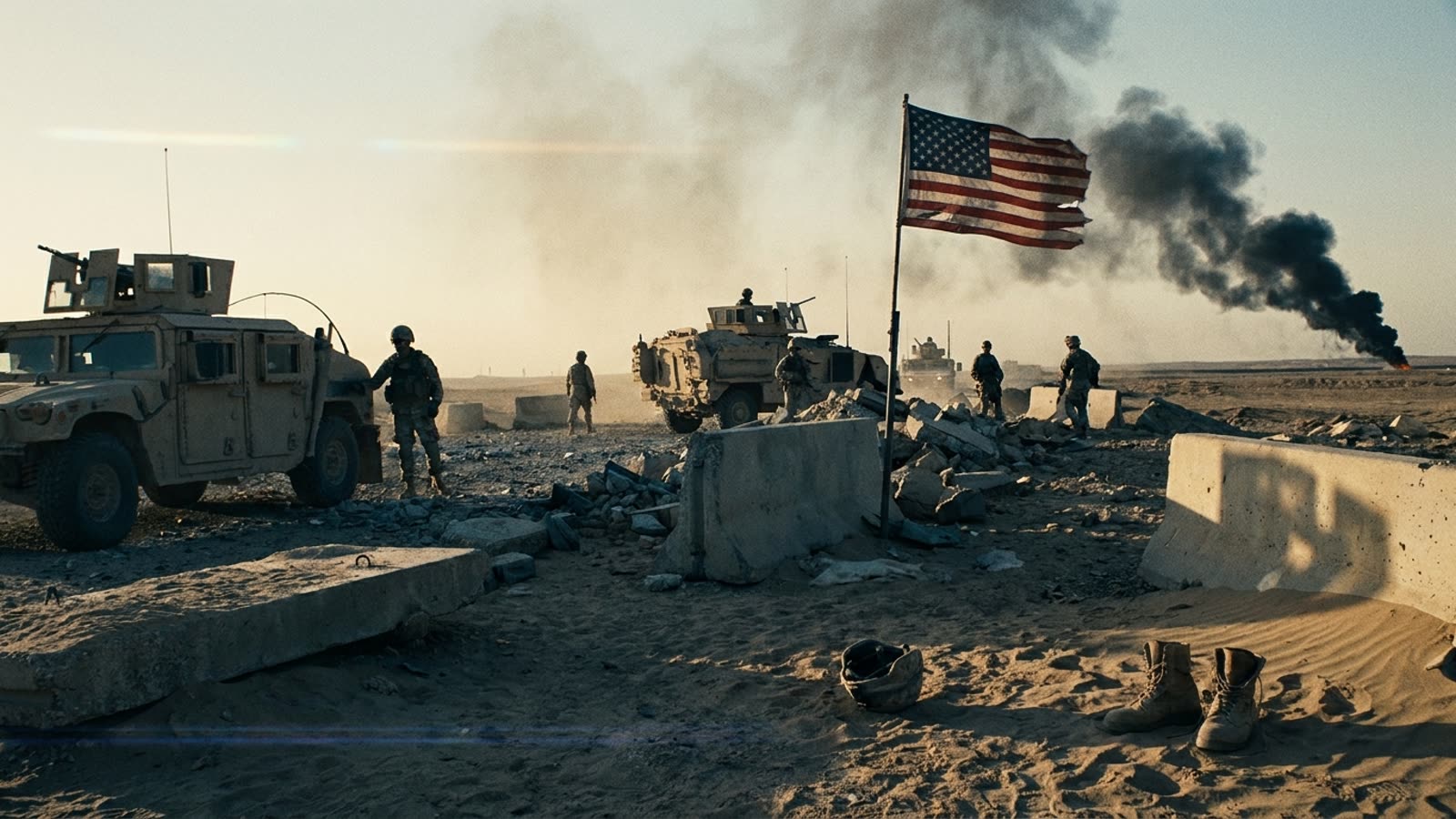
The fallen range from a 19-year-old Navy corpsman from rural Ohio on his first deployment to a 42-year-old Army sergeant major on his seventh. They died in helicopter crashes, in missile strikes on forward operating bases, in the chaotic naval skirmishes that have turned the Strait of Hormuz into the world's most dangerous waterway. Their deaths have transformed what the White House still insists on calling a "limited military operation" into something that increasingly resembles the forever wars Americans thought they had left behind.
The political mathematics of grief
President Trump visited Arlington National Cemetery on Memorial Day, laying a wreath at the Tomb of the Unknown Soldier while protesters gathered outside the gates. The optics were carefully managed, but the reality is messier. Congressional Republicans who enthusiastically backed the initial strikes are growing quieter as casualty reports trickle in. Democrats smell political blood but remain divided on whether to push for a formal war declaration or simply let the administration own the mounting costs.
The thirteen families have become reluctant political actors. Some have accepted the administration's framing that their children died defending America from an existential nuclear threat. Others have gone public with their anger, questioning why diplomatic off-ramps were abandoned and why the promised Iranian collapse never materialized. Gold Star families have broken presidencies before.
A war without a name
Perhaps most telling is the linguistic contortion required to describe the current conflict. It is not officially a war — Congress has not declared one. It is not a police action, not a peacekeeping mission, not a counterterrorism operation. The Pentagon calls it "Operation Persian Freedom," a name that satisfies no one and clarifies nothing. The troops on the ground have their own terminology, most of it unprintable.
The administration continues to insist that a deal is imminent, that Iran's economy is collapsing, that the regime cannot hold out much longer. These assurances sound increasingly hollow to the parents in Ohio and Texas and California who have traded their children for a promise that has yet to materialize.
Our take
Thirteen is a small number compared to the grinding tolls of Iraq and Afghanistan, and the administration will surely make that point. But every war starts with a small number. The question is not whether America can absorb these losses — it can — but whether the strategic objective is worth the price. Three months in, with negotiations stalled and Iranian missiles still flying, that objective remains frustratingly undefined. The families of the fallen deserve better than talking points. They deserve an answer.