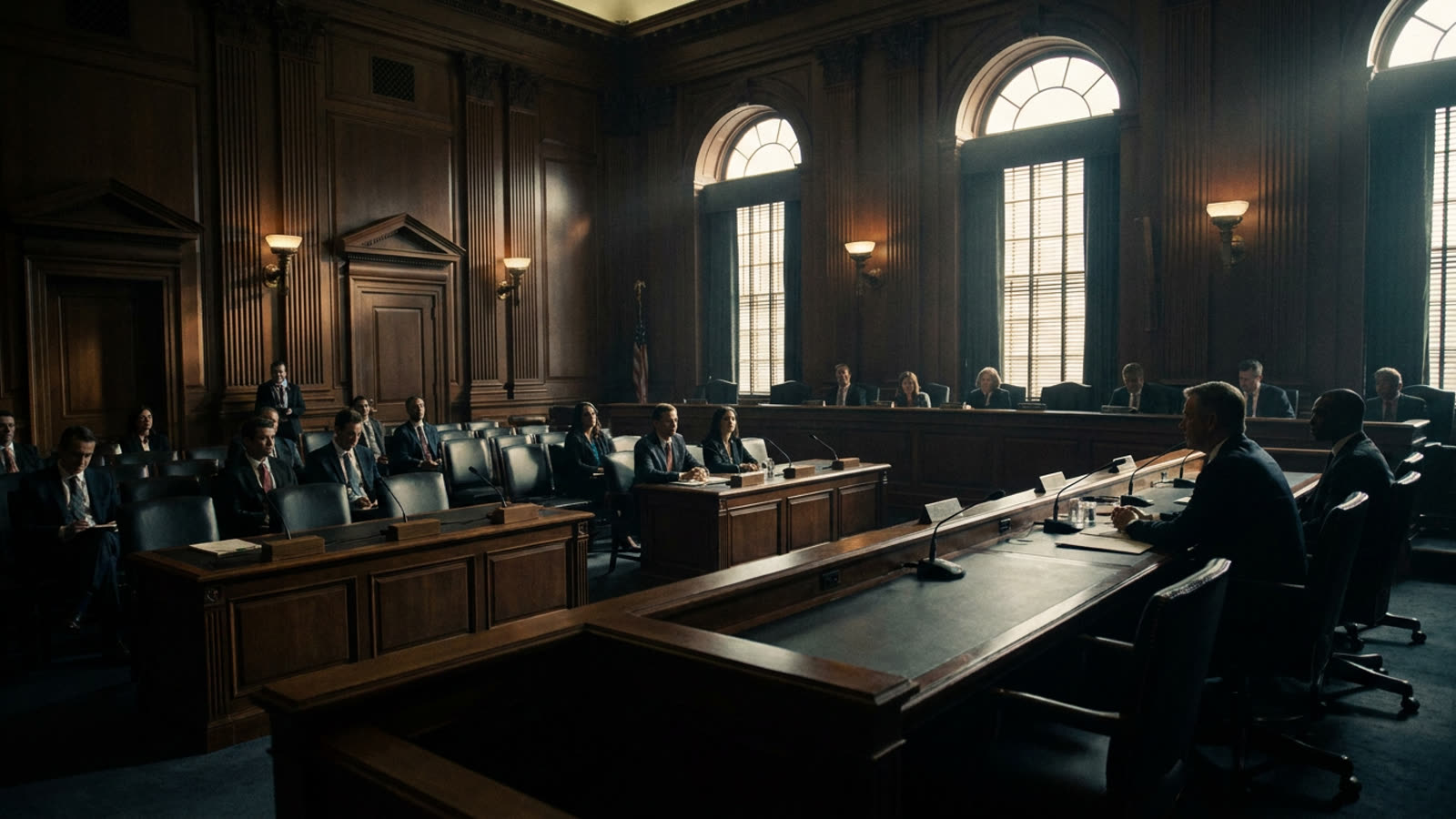
The original Strategic Bitcoin Reserve bill was always more manifesto than legislation—a maximalist fantasy dressed in the language of fiscal prudence. One million BTC, acquired by the federal government, would have represented roughly five percent of all bitcoin that will ever exist. It was the kind of number designed to thrill conference audiences and terrify appropriations committees in equal measure. Now the sponsors have returned with something considerably more sober, and therefore considerably more dangerous to skeptics who assumed the whole idea would die of its own absurdity.
The revised bill eliminates the specific acquisition target entirely. In its place sits a twenty-year mandatory lockup provision for any bitcoin the Treasury does acquire, a structural commitment that transforms the reserve from a speculative trade into something resembling actual monetary policy infrastructure. The shift is tactically brilliant: instead of arguing about how much bitcoin America should buy, proponents can now focus the debate on whether the government should be permitted to sell what it already holds.
The lockup logic
Twenty years is not an arbitrary figure. It is long enough to survive multiple administrations, market cycles, and the inevitable moments of fiscal panic when liquidating a volatile asset would seem politically expedient. The provision essentially creates a constitutional-amendment-level commitment without requiring the supermajorities that actual amendments demand. Any future Congress could repeal it, of course, but doing so would require an affirmative vote to sell—a far higher political bar than simply allowing a sunset clause to expire.
The mechanism also solves the bill's original credibility problem. Critics reasonably asked why taxpayers should fund a massive bitcoin purchase that could be unwound the moment a new administration took office. A twenty-year lockup answers that objection by making the reserve genuinely strategic rather than merely speculative.
What the bill does not say
Conspicuously absent from the revised text is any funding mechanism. The sponsors appear to be betting that the government's existing bitcoin holdings—seized assets, forfeiture proceeds, the remnants of various enforcement actions—provide sufficient seed capital to establish the reserve without new appropriations. This is clever politics but questionable math. The federal government's bitcoin inventory, while substantial, is neither consistently tracked nor legally unified across agencies. Creating a true reserve would require consolidation authority that the bill does not explicitly grant.
Also missing: any mention of how the reserve would interact with existing monetary policy tools, Federal Reserve operations, or Treasury debt management. The bill treats bitcoin as a standalone asset class, hermetically sealed from the dollar system it would nominally support.
Our take
The Strategic Bitcoin Reserve bill has evolved from a meme into a genuine legislative proposition, which is precisely what its critics should have feared all along. By dropping the headline-grabbing acquisition target and adding the lockup provision, sponsors have transformed the debate from "should America buy bitcoin" to "should America be allowed to sell the bitcoin it already owns." That is a much easier argument to win, and the crypto lobby knows it. Whether the bill passes this session matters less than the precedent it establishes: bitcoin as a legitimate subject of federal reserve policy, not merely a speculative curiosity to be regulated into compliance. The maximalists may have lost the million-BTC dream, but they are winning the war of institutional legitimacy.