The Trump administration has discovered a novel use for American diplomatic leverage: punishing local elected officials who embarrass the president's allies.
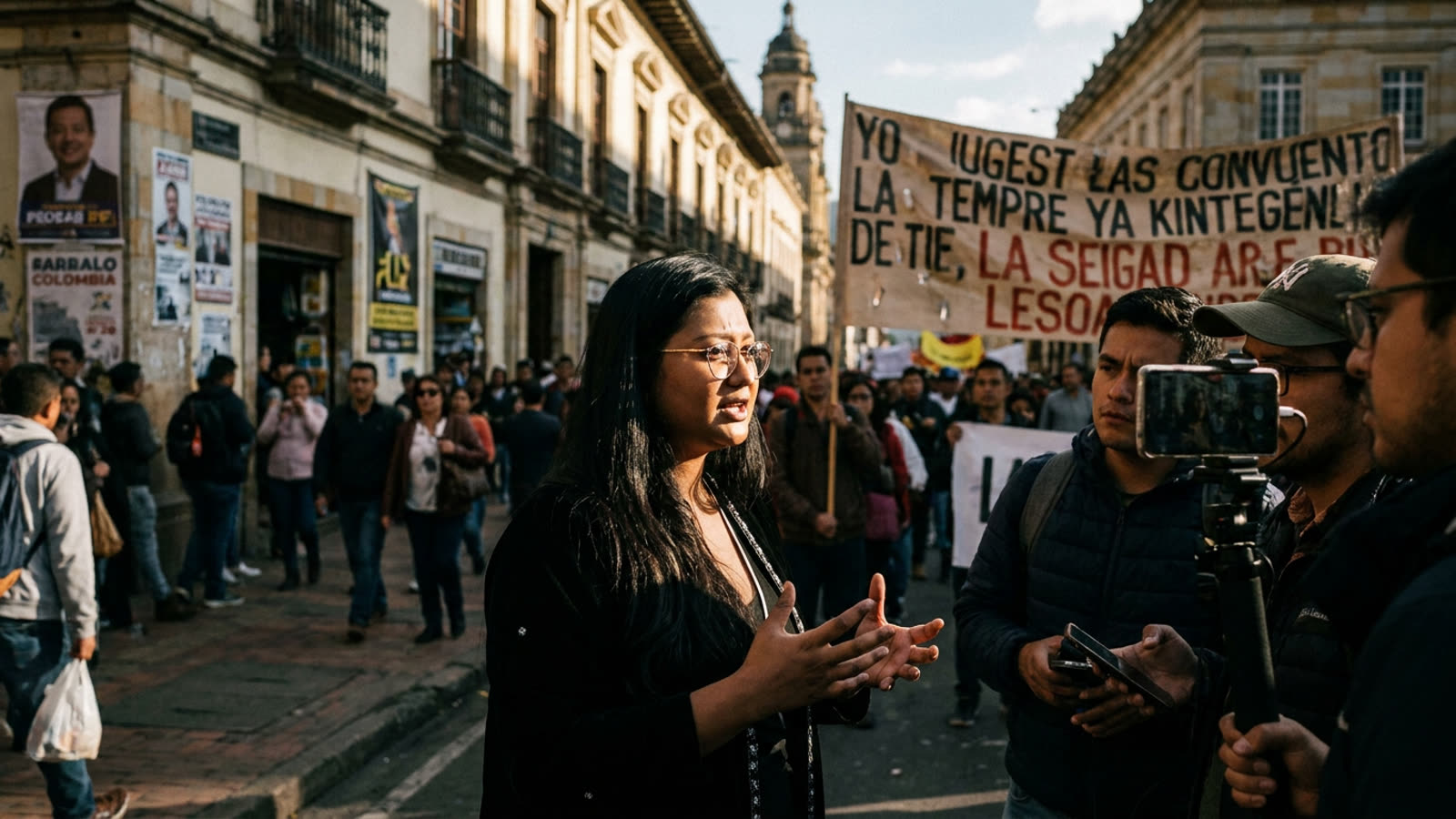
U.S. officials pressured Colombia to cancel a scheduled meeting between President Gustavo Petro and New York City Councilwoman Shahana Mamdani, according to reports this week. Mamdani, a progressive Democrat representing Brooklyn, had drawn national attention days earlier for her courtside confrontation with Knicks owner James Dolan at Madison Square Garden during the NBA Finals — an incident that resulted in her brief detention by NYPD and ignited a firestorm over free speech, policing, and the cozy relationship between New York's billionaire class and law enforcement.
That a sitting U.S. administration would lean on a foreign government to isolate a city councilmember is extraordinary. That it would do so over a basketball-arena dustup is almost farcical.
The Dolan connection
The sequence matters. Mamdani's confrontation with Dolan occurred during Game 4 of the Finals. Within days, she had become a symbol for progressives frustrated with what they see as the criminalization of political speech. Her planned trip to Colombia — reportedly to discuss housing policy and immigrant rights — was unremarkable until Washington intervened.
The administration has not publicly explained its rationale. But the timing suggests the move was less about any legitimate foreign-policy concern than about sending a message: cross the wrong people, and the federal government will make your life difficult in ways you never anticipated.
Dolan, a prominent Trump donor, has not commented. The White House has not denied the reports.
Colombia's awkward position
For Petro, a leftist president who has frequently clashed with Washington over drug policy and trade, the demand put him in an impossible spot. Defying the U.S. risks economic retaliation at a moment when Colombia's economy is fragile. Complying makes him look like a puppet — and alienates his own progressive base, which views Mamdani sympathetically.
Petro ultimately canceled the meeting, citing "scheduling conflicts" that convinced no one. Colombian opposition figures have already seized on the episode as evidence that Petro talks tough on sovereignty but folds under pressure.
The precedent problem
American presidents have long used diplomatic channels to advance domestic political interests. But there is a difference between, say, pressuring allies on trade terms that benefit U.S. industries and using the State Department apparatus to isolate a city councilmember from Brooklyn because she annoyed a basketball-team owner who writes checks to your campaign.
The move suggests an administration willing to blur the line between statecraft and score-settling in ways that should concern officials at every level of government. If a city councilmember can be targeted this way, so can a state legislator, a mayor, or a member of Congress who falls out of favor.
Our take
This is petty authoritarianism dressed up as diplomacy. The United States has genuine interests in Colombia — counternarcotics cooperation, regional stability, migration flows. Spending that capital to punish a local politician for a viral confrontation at a basketball game is not foreign policy; it is vindictiveness with a diplomatic pouch. Mamdani may be a minor figure nationally, but the principle at stake is not minor at all. When the executive branch treats the machinery of international relations as a tool for domestic political retaliation, everyone in public life should pay attention.