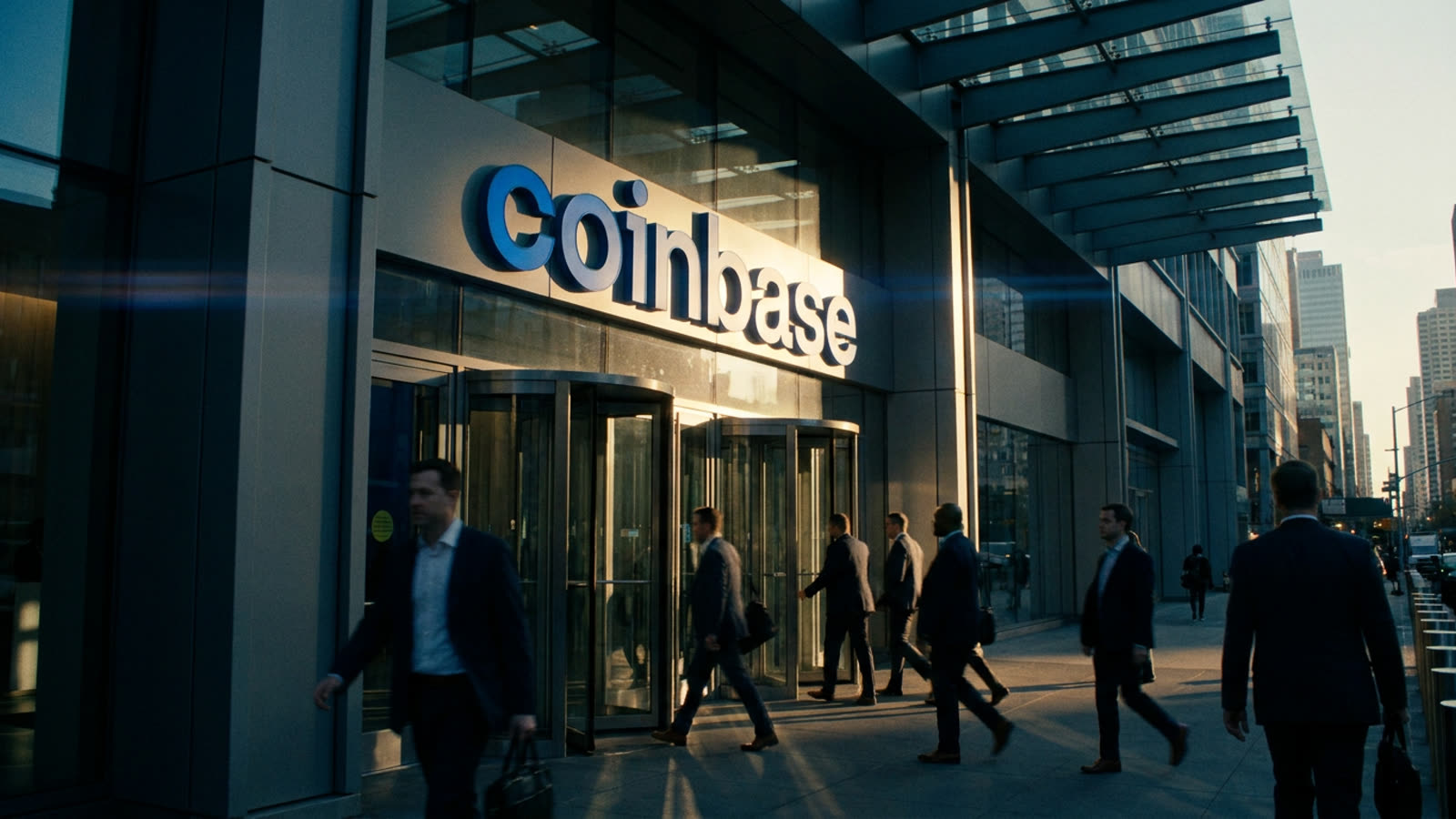
The announcement landed with the subtlety of a press release, but the ambition is anything but modest. Coinbase will soon offer tokenized versions of publicly traded stocks, complete with onchain dividend payments—a move that positions the exchange not as a crypto sideshow but as a direct competitor to the plumbing of traditional finance.
The timing is no accident. With SpaceX's blockbuster IPO dominating headlines and retail investors clamoring for access to private and exotic assets, Coinbase is making a calculated bet: that the future of equity ownership runs through blockchain rails, not DTCC settlement cycles.
The infrastructure play
Tokenized stocks are not new. Firms like FTX (before its implosion) and Binance dabbled in the space, mostly as novelty products. What distinguishes Coinbase's approach is the dividend mechanism. By paying dividends onchain, the exchange is attempting to replicate the full economic experience of stock ownership within a crypto-native wrapper. That means 24/7 trading, instant settlement, and—critically—a custody model that bypasses traditional brokerages.
For Coinbase, the revenue opportunity extends beyond trading commissions. If tokenized equities gain traction, the company could capture fees from issuance, custody, and settlement—functions currently distributed across a sprawling ecosystem of transfer agents, clearinghouses, and depositories. The total addressable market is not crypto's $2 trillion; it is the $100-plus trillion global equity market.
Regulatory roulette
The obvious obstacle is the SEC. Tokenized securities remain a legal gray zone in the United States, and Coinbase's ongoing regulatory skirmishes have not exactly positioned it as a compliance darling. The company will need to navigate a thicket of broker-dealer rules, securities registration requirements, and custody regulations that were written long before anyone imagined stocks living on a blockchain.
Yet the political winds may be shifting. The current administration has shown a warmer posture toward crypto infrastructure, and Coinbase's status as a publicly traded, U.S.-domiciled exchange gives it credibility that offshore competitors lack. If any firm can thread the regulatory needle, Coinbase has the legal firepower and political connections to try.
The competitive landscape
Coinbase is not alone in sensing opportunity. Robinhood has flirted with tokenization, and traditional players like Nasdaq have invested heavily in blockchain settlement pilots. But Coinbase enjoys a structural advantage: it already operates the largest regulated crypto exchange in the United States, with tens of millions of verified users and a battle-tested custody infrastructure. Adding tokenized equities to that platform is an extension, not a pivot.
The risk is that tokenized stocks remain a niche product—appealing to crypto natives but ignored by the mass affluent investors who drive most equity volume. If mainstream adoption stalls, Coinbase will have invested significant engineering and compliance resources in a feature that generates modest incremental revenue.
Our take
This is Coinbase playing the long game. The immediate revenue impact will be negligible, and regulatory headaches are guaranteed. But the strategic logic is sound: if blockchain rails eventually displace legacy settlement infrastructure—a transition that could take a decade or more—Coinbase wants to be the exchange that owns the on-ramp. The company is betting that the future of finance looks more like crypto than Wall Street is willing to admit. That bet may prove premature, but it is not irrational.