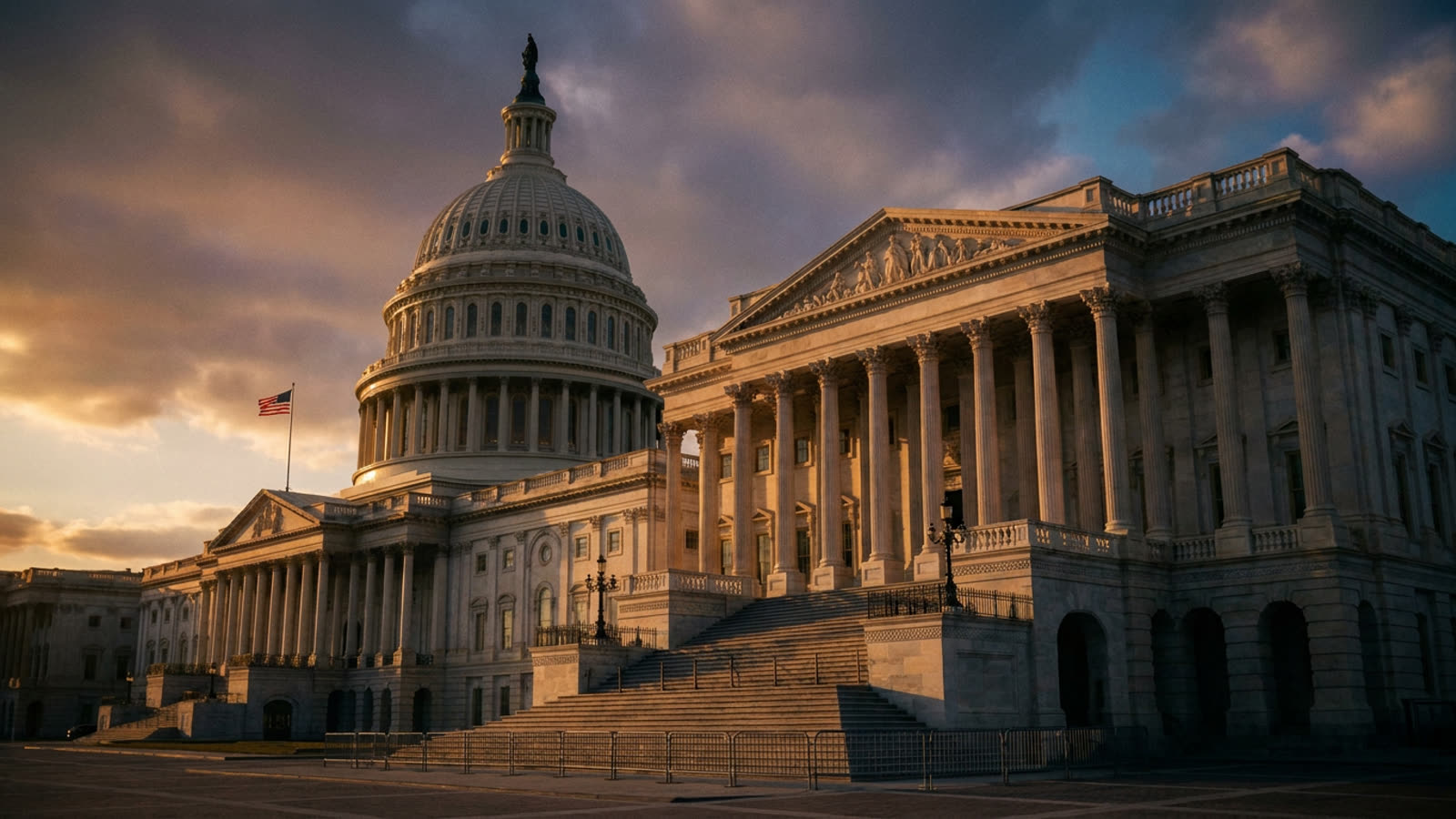
The United States invented modern crypto regulation by accident: a patchwork of SEC enforcement actions, CFTC turf wars, and state-by-state money-transmitter licenses that collectively pushed the industry's center of gravity to Singapore, Dubai, and the Cayman Islands. The CLARITY Act, now gaining momentum on Capitol Hill, represents the first serious attempt to reverse that migration.
Attorney Bill Hughes, a former senior counsel at ConsenSys and one of Washington's most persistent crypto advocates, put the stakes bluntly this week: the "biggest market" in digital assets conducts the vast majority of its trading volume outside US-based exchanges. That is not a bug of American caution—it is a feature of American confusion. When founders cannot determine whether their token is a security or a commodity, they incorporate elsewhere. When exchanges cannot predict which regulator will sue them next, they serve American customers through offshore affiliates or not at all.
What CLARITY actually clarifies
The bill's core contribution is jurisdictional. It would establish a statutory definition distinguishing digital commodities from digital securities, assigning primary oversight of spot markets to the CFTC while preserving the SEC's authority over tokens that function as investment contracts. This sounds technical because it is. But the practical effect would be enormous: projects could finally register with a single regulator and operate with reasonable confidence that compliance today will not become liability tomorrow.
Critics argue the bill tilts too favorably toward industry, effectively letting issuers self-certify their way out of securities law. That concern is not frivolous. The SEC under Gary Gensler spent years arguing that nearly every token sale constitutes an unregistered offering; CLARITY would narrow that position considerably. Whether you view that as regulatory capture or regulatory sanity depends largely on whether you believe the current enforcement-first approach has protected investors or simply exported jobs.
The offshore reality
Hughes's observation about trading volume deserves emphasis. Binance, despite years of legal pressure, still dwarfs Coinbase in global spot volume. OKX and Bybit operate from jurisdictions that welcome crypto capital with minimal friction. American retail investors who want exposure to newer tokens routinely use VPNs or simply buy through less-regulated platforms. The status quo does not eliminate risk; it privatizes it, shifting due diligence from regulated intermediaries to individual users who are poorly equipped to perform it.
Reshoring that activity requires more than legal clarity. It requires competitive fee structures, liquid order books, and product parity with offshore venues. But none of those can develop at scale until American exchanges know the rules. CLARITY is necessary if not sufficient.
Our take
The crypto industry has spent a decade complaining about regulatory uncertainty while often benefiting from it. CLARITY would end that ambiguity in ways that some projects will find uncomfortable—actual compliance costs money, and not every token will survive classification. But the alternative is continued drift toward a two-tier system in which sophisticated capital accesses global liquidity while American retail is confined to a shrinking menu of approved assets. That outcome serves neither investor protection nor innovation. Congress should pass the bill, refine it in practice, and stop pretending that enforcement actions are a substitute for legislation.