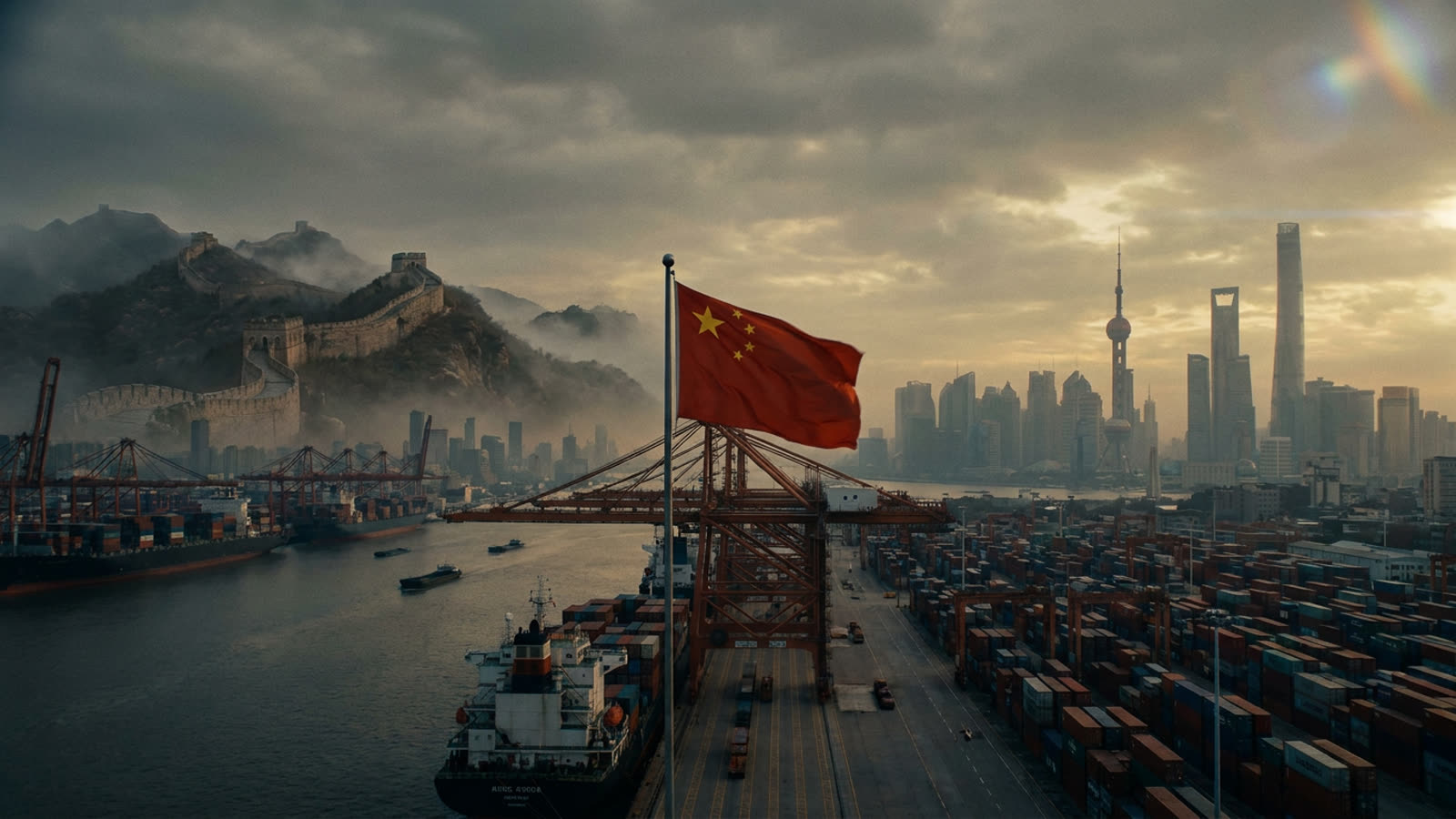
The numbers landing just days before Xi Jinping and Donald Trump sit down together tell a story that neither leader can ignore: China's exports surged 14 percent in April, producing another robust trade surplus and demonstrating that years of American tariffs have done remarkably little to dent the country's manufacturing dominance.
This is not the backdrop Washington wanted. The Trump administration has spent months signaling that its tariff regime—now reaching historic levels on Chinese goods—would force Beijing to the table from a position of weakness. Instead, Chinese factories are shipping more than ever, finding buyers across Southeast Asia, the Middle East, and Africa even as American consumers pay higher prices for the privilege of partial decoupling.
The tariff paradox
The conventional wisdom held that punitive duties would redirect supply chains, starve Chinese manufacturers of dollar revenue, and ultimately compel structural reforms. The data suggests a different outcome. Chinese exporters have proven adept at rerouting goods through third countries, absorbing tariff costs through currency adjustments, and pivoting toward markets less interested in geopolitical point-scoring. Vietnam, Mexico, and Malaysia have all seen surges in Chinese intermediate goods—components that often end up in American products anyway, just with extra steps and markups.
Meanwhile, Beijing has doubled down on industrial policy, subsidizing strategic sectors from electric vehicles to semiconductors with a scale that makes Western incentive packages look modest. The trade surplus is not merely surviving American pressure; it is thriving on the back of state-directed capital and a manufacturing ecosystem that remains unmatched in depth and flexibility.
What Xi brings to the table
When the two leaders meet, Xi will arrive with a hand strengthened by these figures. China's economy faces genuine headwinds—property sector stress, youth unemployment, and deflationary pressures—but the export engine provides crucial ballast. More importantly, it signals to domestic audiences that American economic warfare is manageable, even as it complicates any narrative of Chinese desperation that Trump might want to project.
The summit's agenda reportedly includes discussions on fentanyl precursor chemicals, Taiwan, and potential tariff relief. But the export data reshapes the negotiating dynamic. Beijing has less incentive to offer meaningful concessions on trade structure when the current arrangement, however politically fraught, keeps the factories running and the surplus growing.
The American consumer's quiet subsidy
Largely absent from Washington's triumphalist tariff rhetoric is an honest accounting of who pays. American importers—and by extension, American households—have absorbed the bulk of tariff costs through higher prices on everything from electronics to furniture. The policy has functioned less as a punishment for China than as a regressive tax on American consumption, one that has failed to produce the promised manufacturing renaissance at home.
Some reshoring has occurred, particularly in semiconductors where national security concerns and massive subsidies have aligned. But the broader picture remains one of persistent trade deficits, rising consumer costs, and a Chinese export sector that has proven far more adaptable than policymakers anticipated.
Our take
The Xi-Trump summit will produce handshakes, communiqués, and perhaps a few modest deliverables on issues peripheral to the core economic competition. But the 14 percent export surge is the real message from Beijing: we can outlast your tariffs, find other customers, and maintain our industrial base while you pay the price of your own policies. Until Washington develops a strategy more sophisticated than punitive duties—one that actually builds American productive capacity rather than merely taxing Chinese goods—these summits will remain exercises in managed decline, dressed up as great-power diplomacy.