A federal courtroom in Indianapolis delivered a verdict Thursday that somehow managed to resolve nothing. Eric Earnest, the co-defendant in a gambling investigation that has shadowed Chauncey Billups for nearly a year, pleaded guilty to conspiracy to commit wire fraud—a serious charge carrying up to twenty years—while simultaneously insisting under oath that the former NBA champion and current Portland Trail Blazers assistant coach never fed him inside information.
The plea is a paradox wrapped in a legal filing. Earnest admits to a scheme that prosecutors alleged depended on privileged access to injury reports, lineup decisions, and locker-room intelligence. Yet he categorically denies that Billups, his longtime friend and the investigation's most prominent name, was his source. If not Billups, then who? The question hangs over the NBA like a slow-moving weather system.
The league's uncomfortable position
The NBA's own inquiry into Billups has been running parallel to the federal case, and Thursday's development puts the league in an awkward spot. Earnest's denial removes the most direct evidentiary link to Billups, but it does not exonerate him. Prosecutors have not dropped Billups from their investigation, and the plea deal's terms remain partially sealed. The league must now decide whether to close its file on Billups based on a co-defendant's courtroom statement—a statement that, however convenient, carries no guarantee of completeness.
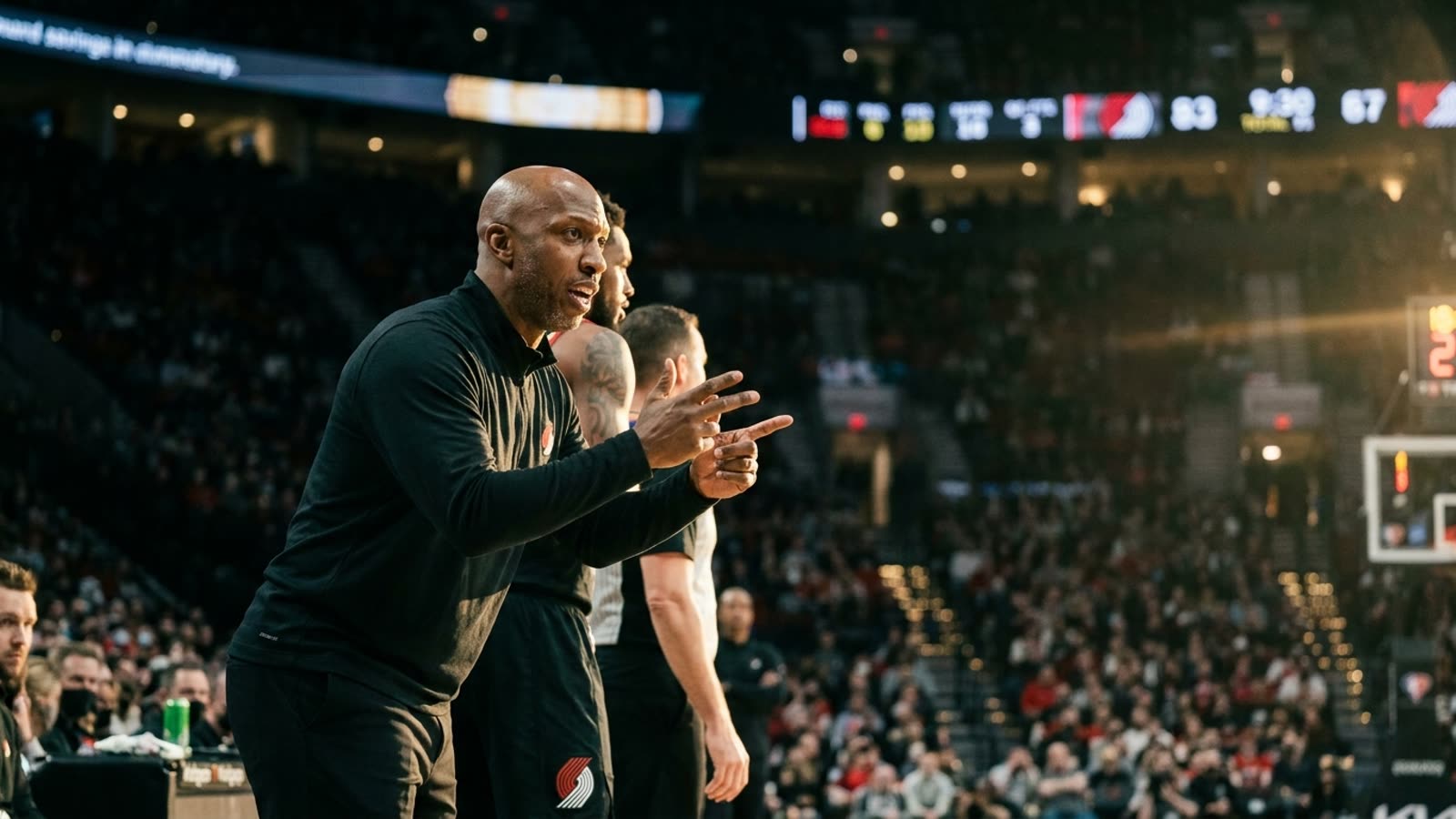
Billups, who won an NBA title with Detroit in 2004 and later coached the Trail Blazers before transitioning to an assistant role, has maintained his innocence throughout. His attorney issued a terse statement Thursday calling the plea "a vindication" and demanding the NBA conclude its investigation "without further delay." The league office declined to comment.
The broader gambling problem
This case arrives at an inopportune moment for a league that has aggressively embraced sports betting partnerships. The NBA has inked deals with DraftKings, FanDuel, and a constellation of sportsbooks, integrating betting lines into broadcasts and arena experiences. The implicit bargain: gambling is entertainment, not corruption. Every scandal—from the Jontay Porter lifetime ban to the ongoing scrutiny of referee conduct—chips away at that premise.
Earnest's scheme, whatever its true contours, allegedly generated hundreds of thousands of dollars in illicit profits. That money came from somewhere, and that somewhere is the betting public. The NBA's credibility as a fair competition depends on the perception that the fix is never in. A guilty plea that names no names is cold comfort.
Our take
Chauncey Billups may well be innocent. Eric Earnest's denial, delivered under penalty of perjury, is not nothing. But the plea deal's structure—guilt without full disclosure—feels engineered to protect someone, and the public has no way of knowing whom. The NBA should resist the temptation to treat this as closure. A Hall of Fame career and a multibillion-dollar betting ecosystem deserve a cleaner answer than "we'll never really know."