For years, crypto enthusiasts insisted their asset class was uncorrelated with traditional markets—a hedge, a store of value, a new paradigm. That thesis is now being tested not by regulation or scandal, but by something more fundamental: competition for the same pool of risk-tolerant capital.
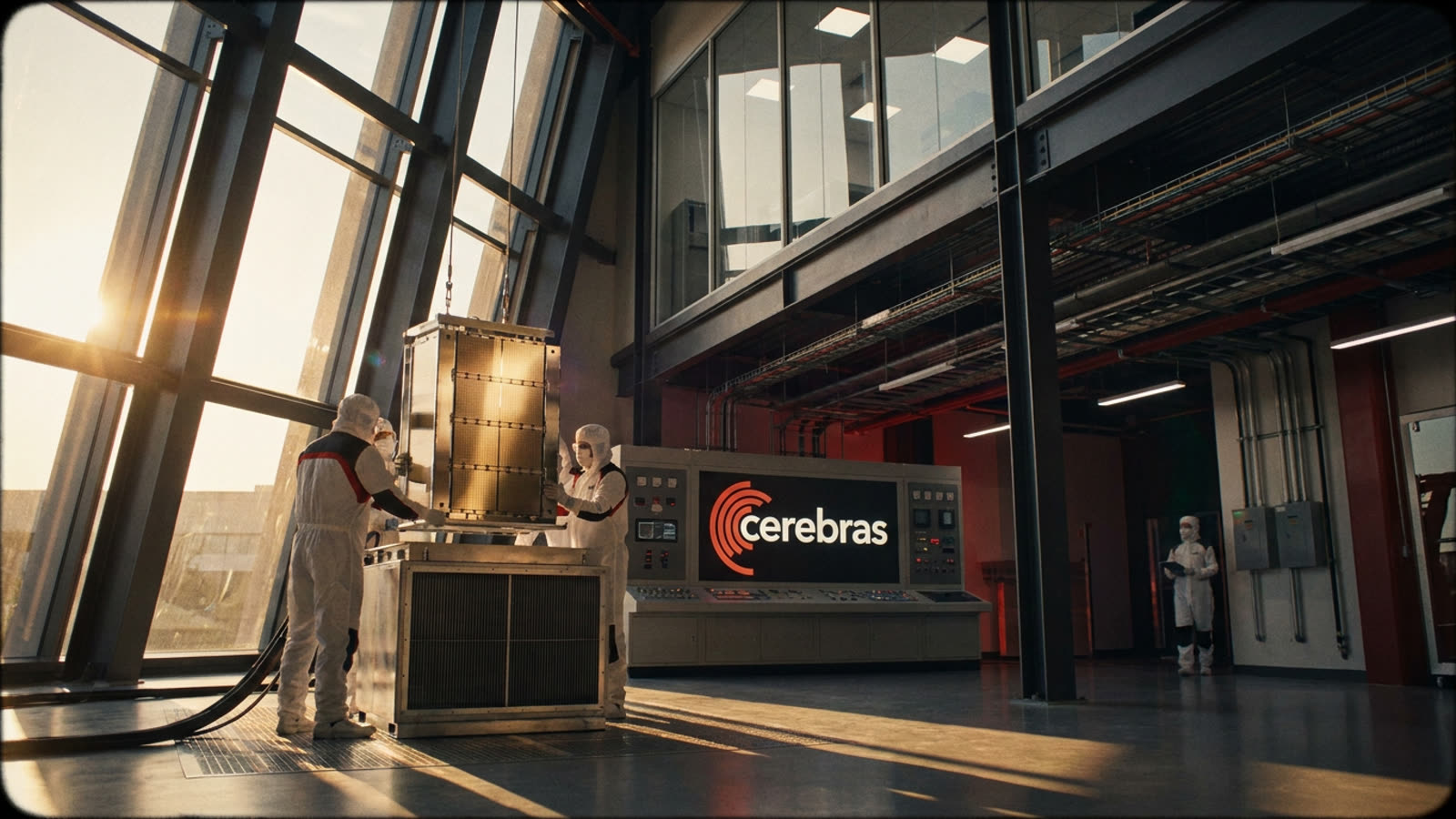
Cerebras Systems' imminent $5.5 billion IPO arrives alongside a pipeline of AI-adjacent offerings—OpenAI's long-anticipated public debut, SpaceX's rumored listing—that collectively represent the most attractive speculative opportunities since the 2021 crypto boom. The difference is that these companies produce tangible products, generate revenue, and occupy the centre of the most consequential technological shift since the internet.
The attention economy of capital
Investor attention is finite, and right now it belongs to semiconductors. Nvidia's market capitalisation has more than tripled since early 2023. AMD, Broadcom, and now Cerebras are riding the same wave. Meanwhile, Bitcoin has spent 2026 trading sideways, unable to recapture the momentum that once made it the default destination for speculative dollars.
The pattern is not coincidental. The same retail investors who drove meme stocks and altcoin rallies are now pouring into AI-adjacent equities. The same institutional allocators who once carved out "digital assets" buckets are quietly redirecting those funds toward AI infrastructure plays. The narrative has shifted, and narratives move money.
Why this cycle is different
Previous crypto winters ended when a new use case—DeFi, NFTs, institutional adoption—reignited speculative interest. But AI presents a stickier problem: it offers the same promise of transformative returns while delivering something crypto never quite managed at scale—visible, measurable utility.
When a hedge fund manager can choose between a token whose value proposition remains theoretical and a chip company supplying the infrastructure for every major AI deployment, the decision increasingly makes itself. Cerebras alone has contracts with pharmaceutical companies, defence contractors, and hyperscalers. Its revenue is real. Its moat is defensible. Its story is easier to tell.
The liquidity question
Crypto's deepest vulnerability may be its liquidity profile. The asset class thrived when zero interest rates made yield-seeking investors desperate for alternatives. Now, with rates elevated and AI stocks offering both growth and legitimacy, the opportunity cost of holding Bitcoin has changed. Every dollar parked in crypto is a dollar not participating in what may be the defining investment theme of the decade.
This does not mean crypto disappears. Bitcoin retains its ideological adherents, its inflation-hedge narrative, its institutional infrastructure. But the marginal buyer—the one who determines price at the margin—is increasingly looking elsewhere.
Our take
Crypto's problem is not that AI is better technology; it is that AI is a better story right now, told by companies with earnings calls and product roadmaps. The Cerebras IPO is not a death knell for digital assets, but it is a reminder that speculative capital is promiscuous. Bitcoin spent a decade as the default destination for money seeking asymmetric returns. That default status is no longer guaranteed, and winning it back will require more than halving cycles and ETF approvals. It will require relevance.