The story of American reindustrialization has a poster child, and it sits in the cornfields east of Columbus, Ohio. Intel's $28 billion semiconductor fabrication campus in Licking County, combined with a constellation of data centers and logistics hubs, has turned central Ohio into the unlikely epicenter of the Biden-era manufacturing revival. The problem is that the people who already lived there are not uniformly thrilled about it.
What is unfolding around Columbus offers a preview of the political friction that accompanies any serious attempt to reshore advanced manufacturing. The jobs are real, the investment is staggering, and the disruption is immediate.
The boom's vital signs
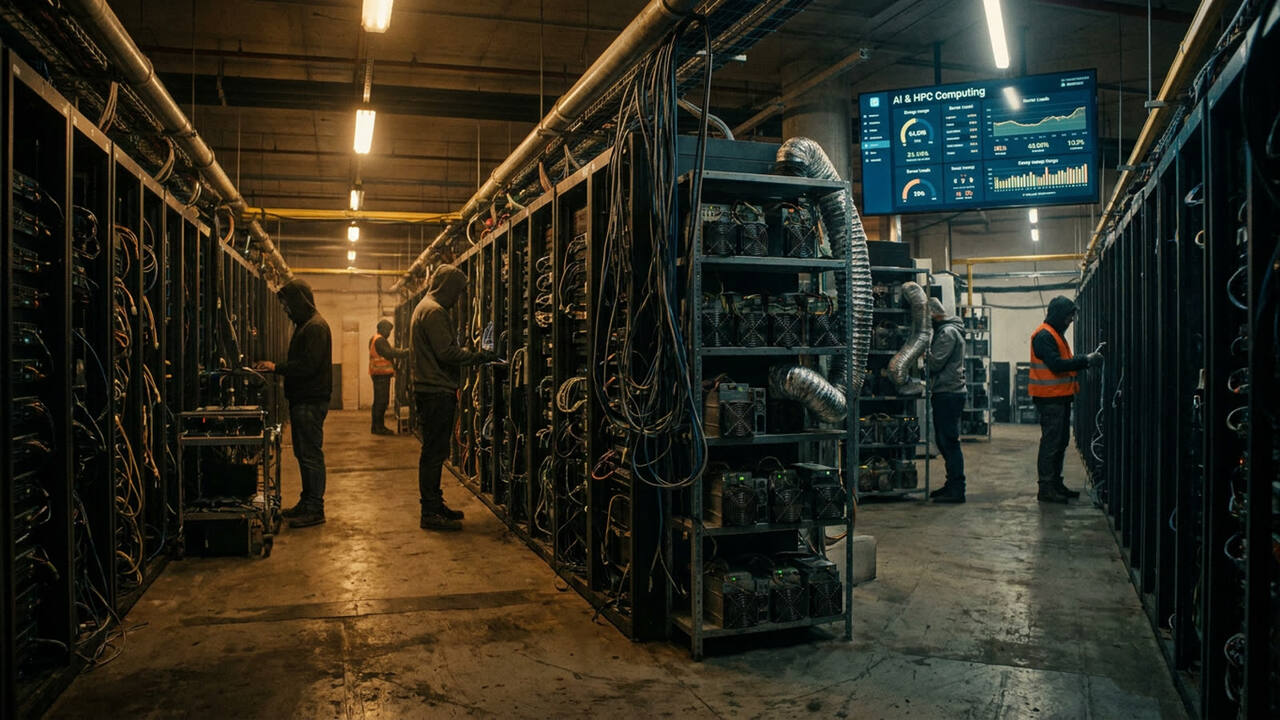
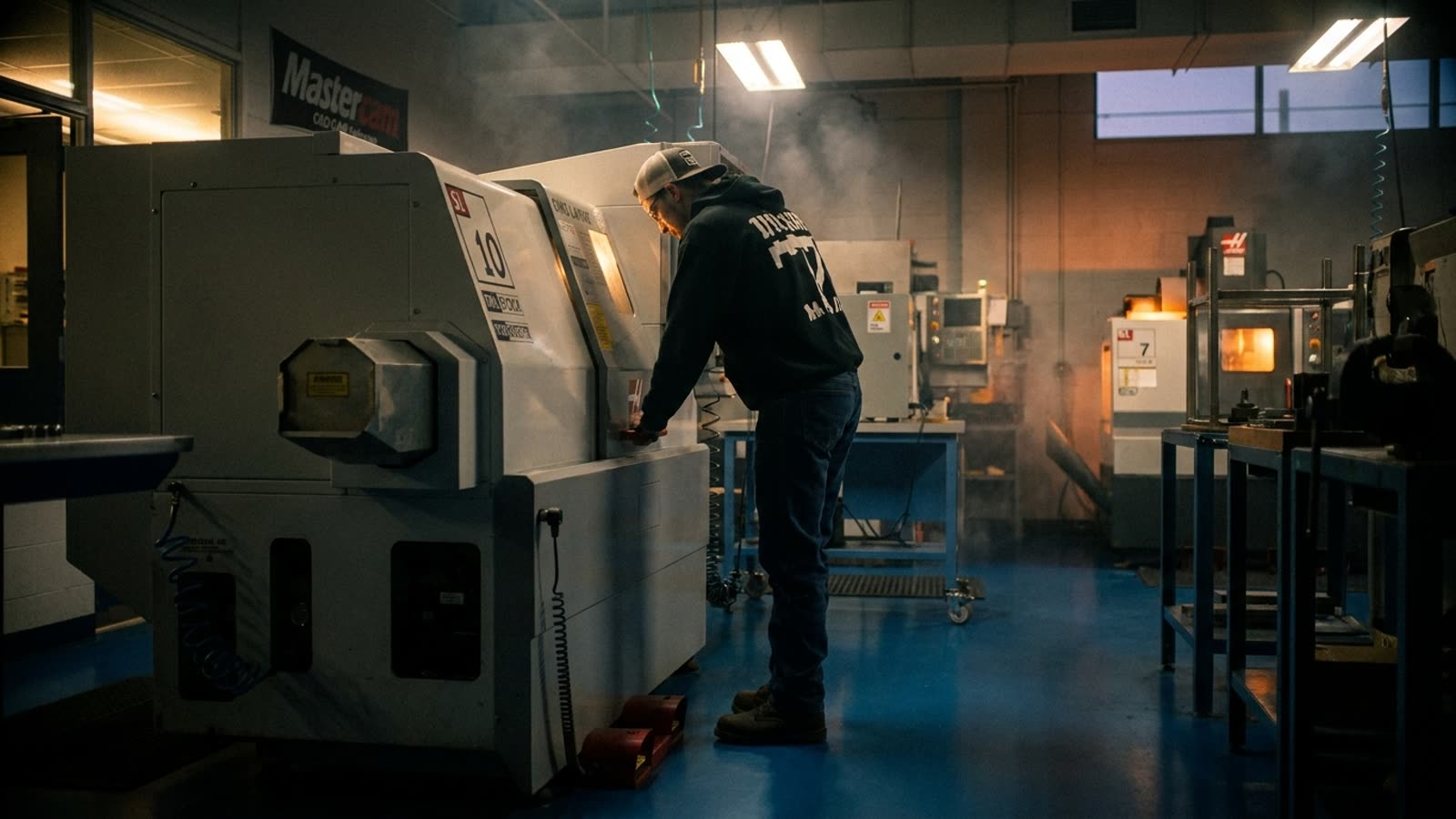
Central Ohio added more than 30,000 construction and manufacturing jobs over the past three years, a pace not seen since the postwar suburban expansion. Intel alone promises 3,000 permanent positions at its fab, with thousands more in the supplier ecosystem. Data center operators—drawn by cheap power, available land, and proximity to fiber trunk lines—have committed billions more. The region's unemployment rate hovers near historic lows.
For state officials and economic developers, this is vindication. Ohio outmaneuvered Texas, Arizona, and New York to land Intel, leveraging tax incentives, workforce training pledges, and a cooperative regulatory posture. The CHIPS and Science Act's federal subsidies sealed the deal. Columbus now styles itself a peer to Austin and Phoenix in the competition for advanced industry.
The costs nobody budgeted
Residents of the small towns ringing the construction sites tell a different story. Housing prices in Licking and Franklin counties have surged, pricing out longtime families. Water demand from chip fabs—which consume millions of gallons daily for cooling and cleaning—has sparked anxiety about aquifer depletion and competition with agricultural users. Traffic on two-lane rural roads has become unbearable during shift changes.
School districts face enrollment spikes without commensurate tax revenue, since the incentive packages that lured Intel included generous property tax abatements. Local officials find themselves pleading with the state for infrastructure funding that was never part of the original deal. The promise of prosperity, some complain, came with an invoice addressed to someone else.
Our take
This is the Faustian bargain of industrial policy laid bare. America spent decades lamenting the loss of manufacturing; now that it is returning, the communities absorbing it are discovering that factories do not arrive as abstract economic statistics. They arrive as traffic, as water bills, as strangers bidding up your neighbor's house. None of this means the investment was a mistake—Ohio needed the jobs, and the nation needs the chips. But the political sustainability of reindustrialization depends on sharing the gains more equitably than we have so far. If central Ohio's boomtown resentment metastasizes, the next Intel will find fewer willing hosts.