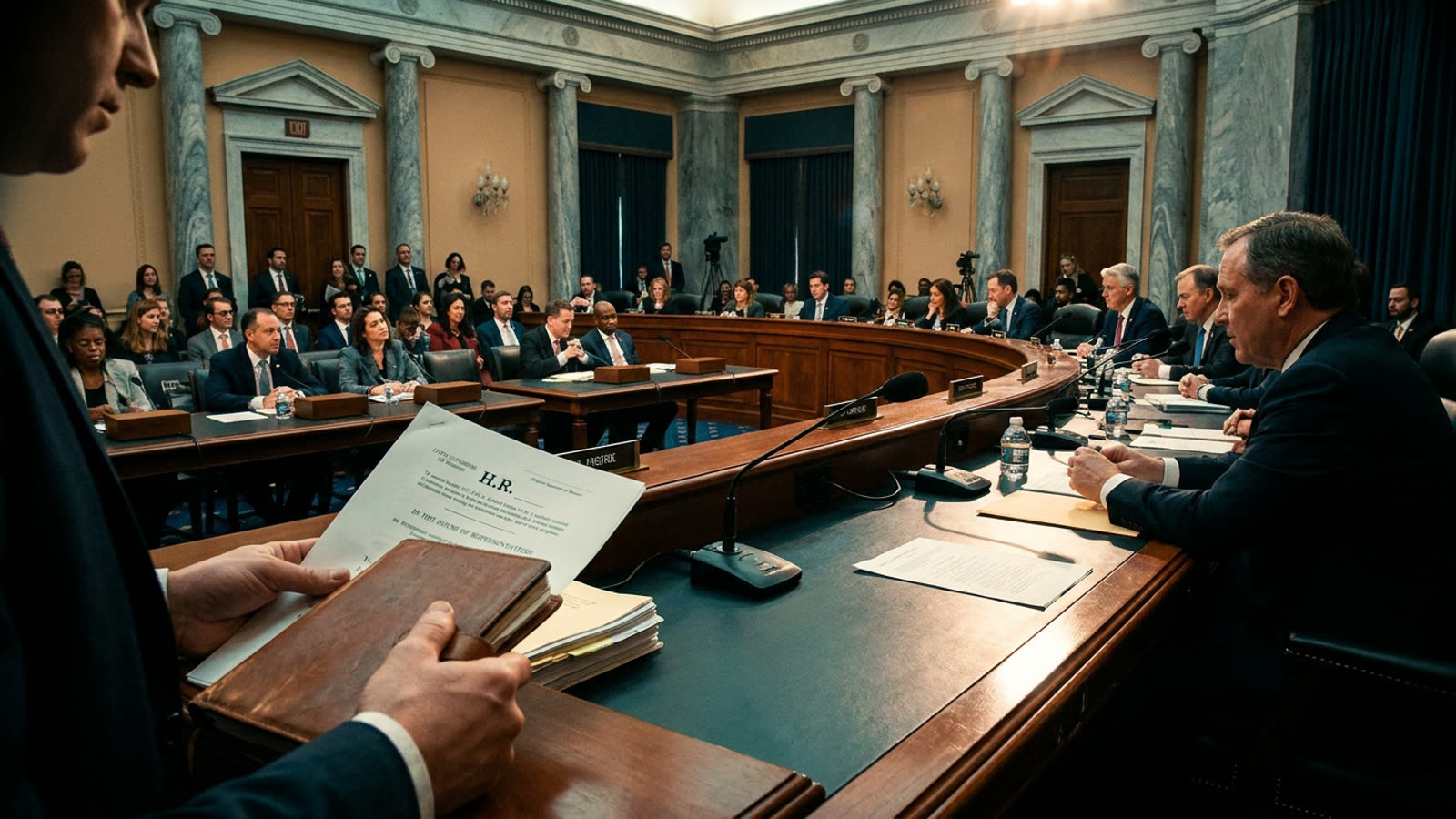
The logic is so obvious it barely requires explanation. If members of Congress shouldn't trade stocks because they possess material non-public information about legislation, regulation, and enforcement priorities, then they certainly shouldn't be placing bets on political outcomes they can directly influence. A Republican lawmaker is now preparing legislation to add prediction markets to the existing congressional trading ban, a move that arrives precisely as these platforms have exploded into mainstream financial consciousness.
The timing is not coincidental. Prediction markets have transformed from niche curiosities into genuine price-discovery mechanisms, with platforms like Kalshi winning regulatory approval to offer contracts on everything from Federal Reserve decisions to election outcomes. Polymarket, operating offshore, has become the de facto real-time polling alternative for political junkies and traders alike. The combined trading volumes now rival some traditional derivatives markets.
The information asymmetry problem
The case against congressional prediction market trading is arguably stronger than the case against stock trading. A senator on the Armed Services Committee buying defense contractor shares at least requires the market to eventually validate their thesis through earnings and contracts. But a representative betting on whether their own legislation will pass? That's not trading on information—it's trading on intention. The feedback loop is immediate and self-reinforcing.
Critics of the existing stock ban have long noted its enforcement gaps: blind trusts that aren't truly blind, delayed disclosure requirements, and penalties so modest they function as transaction costs rather than deterrents. Extending the ban to prediction markets without addressing these structural weaknesses risks creating another toothless prohibition that sophisticated actors will route around.
The market integrity stakes
Prediction markets derive their value from aggregating dispersed information into accurate probability estimates. When participants include people who can shift those probabilities through their official actions, the entire epistemic project collapses. The market stops predicting outcomes and starts reflecting the trading positions of insiders. This isn't hypothetical—academic research on corporate prediction markets has documented exactly this dynamic when executives participate in forecasts about their own divisions.
The proposal also raises questions about the boundaries of political betting. Should congressional staffers be included? What about spouses and dependent children, who are already covered under stock trading rules? And what constitutes a prediction market in an era when sports betting platforms increasingly offer political props and decentralized protocols enable permissionless contract creation?
Our take
The expansion makes sense, but it's treating a symptom rather than the disease. The fundamental problem isn't which asset classes lawmakers can trade—it's that they can trade at all while possessing information unavailable to the public. A genuine solution would require either real-time disclosure of all financial transactions or mandatory divestiture into truly blind instruments. The prediction market addition is worthwhile, but Congress remains more interested in appearing ethical than in designing systems that make unethical behavior structurally impossible.