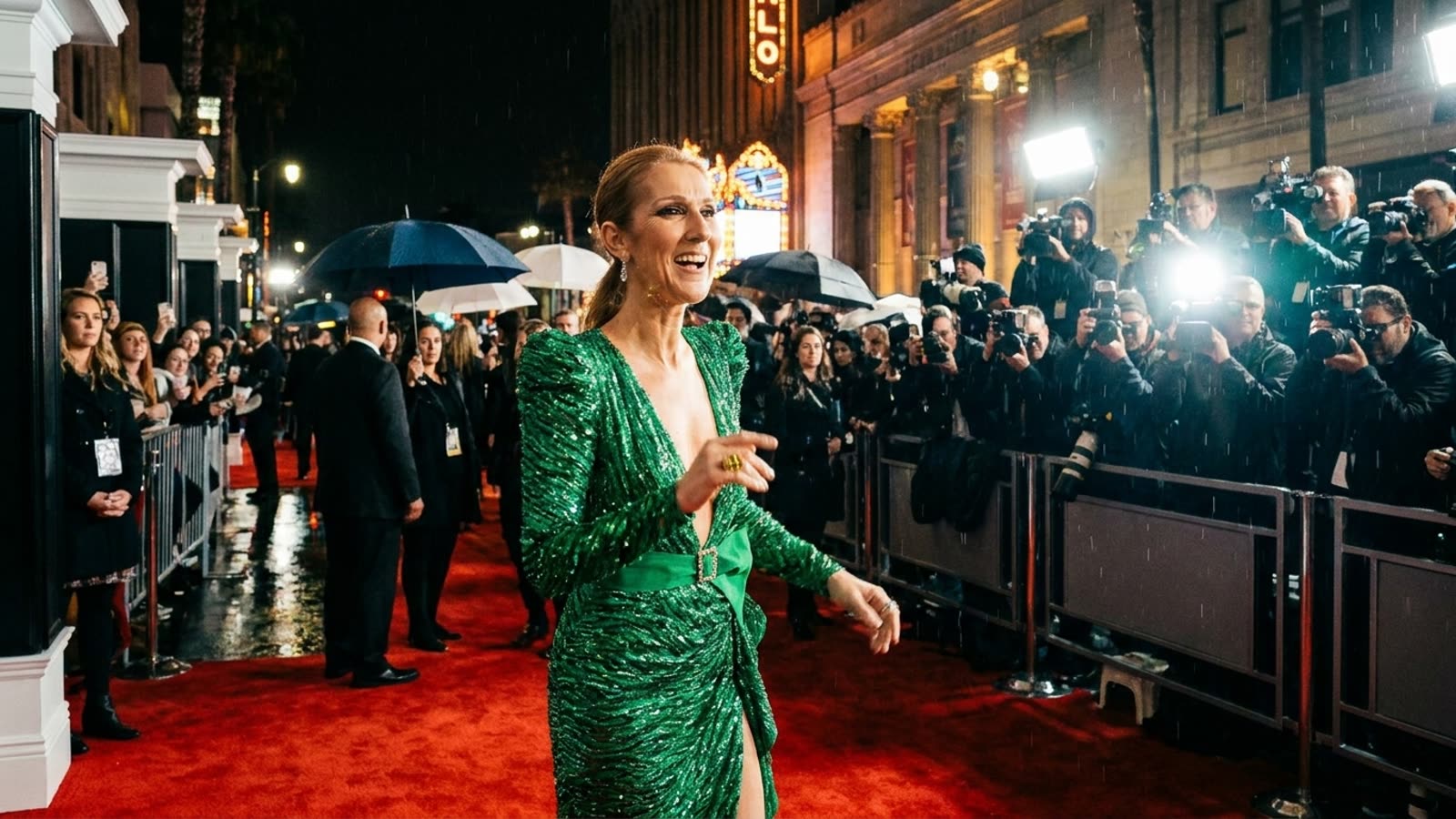
There is a particular species of celebrity honor that exists somewhere between tribute and taxidermy: the commemorative doll. Mattel has now bestowed this distinction upon Celine Dion, unveiling a collector's Barbie that recreates her legendary 1998 Academy Awards performance of "My Heart Will Go On" — complete with a miniature recreation of the white beaded Halston gown she wore while belting over Leonardo DiCaprio's frozen corpse.
The timing is not accidental. Dion's 2026 has been nothing short of a resurrection narrative. After years of relative quiet following her stiff-person syndrome diagnosis, she delivered a showstopping performance at the Paris Olympics opening ceremony that reminded the world why she once commanded stages from Las Vegas to the Champs-Élysées. The documentary "I Am: Celine Dion" gave audiences an unflinching look at her battle with the neurological condition. She has become, in the parlance of the internet, an icon who cannot be touched.
The doll economy of legacy
Mattel's music doll series has become a quiet arbiter of who matters in the cultural memory. Previous honorees include Ella Fitzgerald, Gloria Estefan, and Tina Turner — artists whose influence transcends their chart positions. The Dion Barbie joins this pantheon, priced for collectors rather than children, designed to sit in display cases rather than dream houses.
What makes the choice of the 1998 Oscars moment particularly shrewd is its dual resonance. "Titanic" remains the film that defined a generation's understanding of romantic tragedy, and Dion's performance that night — arms outstretched, voice soaring into the Shrine Auditorium rafters — is seared into the collective memory of anyone who owned a television in the late nineties. The song spent weeks at number one. The album sold in quantities that seem fictional by today's streaming metrics.
Comeback as commodity
The Barbie arrives during what might be called the "legacy economy" phase of celebrity culture. Artists who dominated previous decades are being repackaged, celebrated, and monetized through documentaries, biopics, and yes, collectible dolls. Dion's particular version of this phenomenon feels earned rather than manufactured — her return to performing has been genuinely moving, her openness about her health struggles genuinely brave.
There is something almost poetic about freezing her in the 1998 moment, when she was at the absolute zenith of her commercial powers, while simultaneously celebrating the 2026 version who has proven that power never really left. The doll cannot sing, of course. But then again, neither could anyone else, not like that.
Our take
Mattel could have chosen any number of Dion moments — the Vegas residency, the "Falling Into You" era, the recent Olympic triumph. That they selected the Oscars performance suggests they understand something essential about how we remember artists: not at their most recent, but at their most defining. The 1998 Celine Dion, arms spread wide in white beading, is the image that will outlast everything else. Putting her in plastic is simply acknowledging what was already true. She was never going to age anyway.