The most effective team-building exercise in American women's soccer this year required no cones, no fitness drills, and no tactical sessions. It required a president with a talent for division.
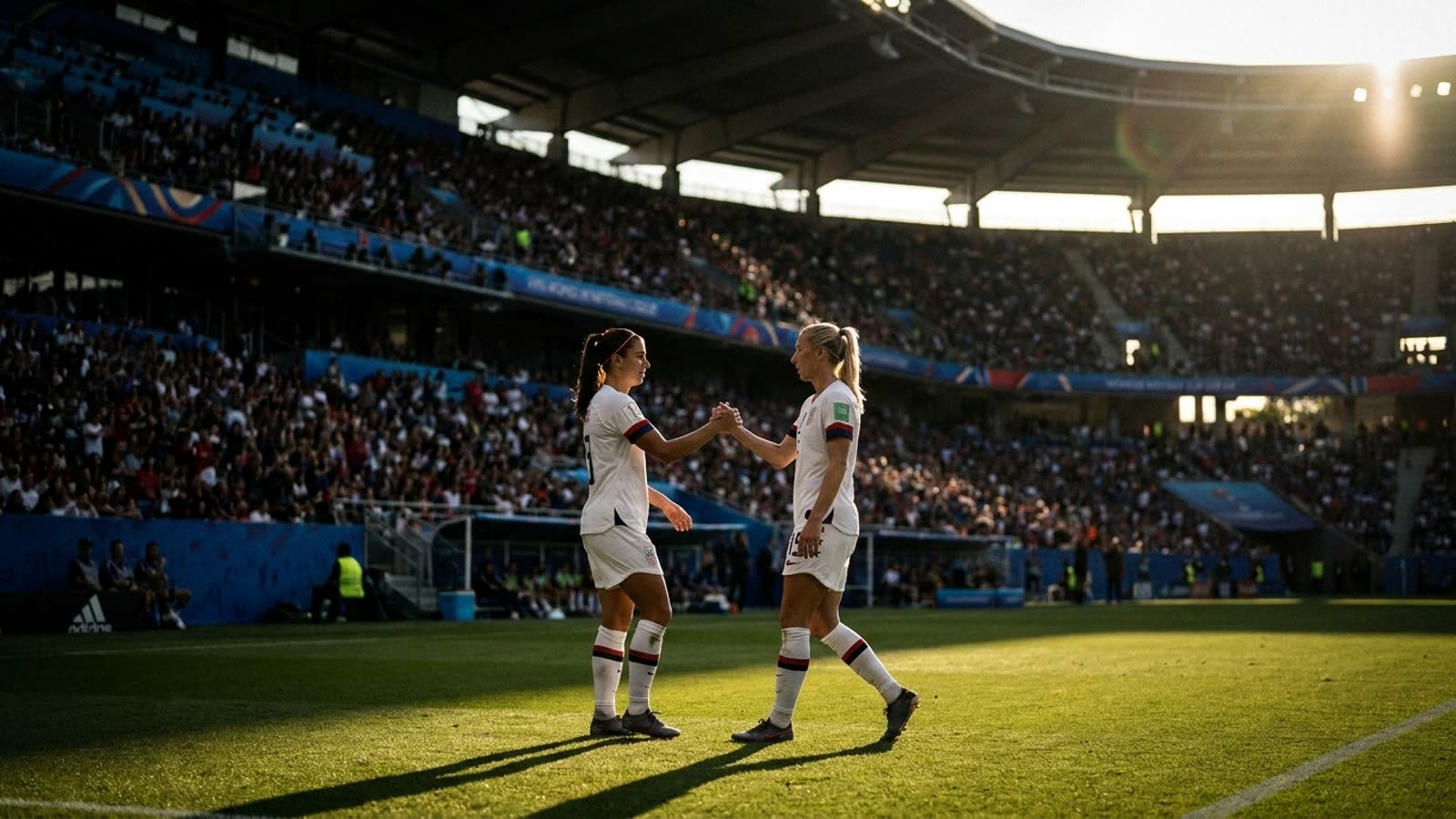
Mary Fowler Carter and Mallory Swanson Dart—two of the U.S. Women's National Team's most talented and temperamentally different players—issued a joint statement expressing unity after weeks of tension over whether the squad should accept a White House invitation from President Trump. The reconciliation, announced through U.S. Soccer's official channels, marks an unusual moment of public rapprochement in a sport where locker-room tensions typically stay behind closed doors.
The invitation that split the squad
The controversy began when Trump extended an invitation to the USWNT following their SheBelieves Cup performance earlier this year. Carter, known for her apolitical stance and focus on sport, indicated openness to attending. Dart, whose social media presence has included pointed criticism of the administration's policies on Title IX and transgender athletes, made clear she would decline. The disagreement became public when unnamed sources began briefing reporters about heated team discussions.
What followed was a familiar pattern in Trump-era sports diplomacy: a story that was nominally about athletics but was actually about everything else. Conservative commentators elevated Carter as a model of patriotic sportsmanship. Progressive voices rallied behind Dart's principled stand. The players themselves became avatars for positions they may or may not fully hold.
Why this matters beyond the pitch
The USWNT has long occupied a peculiar position in American political life. The team's success—four World Cup titles, four Olympic golds—has made it a vessel for competing visions of American identity. Megan Rapinoe's generation leaned into political activism, turning the squad into a platform for progressive causes. The post-Rapinoe era has seen a more ideologically diverse roster, with players less inclined toward public advocacy.
Carter and Dart's joint statement carefully avoided relitigating the substance of their disagreement. Instead, it emphasized shared commitment to the team's competitive goals and mutual respect for differing viewpoints. The diplomatic language—almost certainly vetted by U.S. Soccer's communications staff—was notable for what it did not say: neither player apologized, neither claimed to have changed her mind, and neither criticized the other's position.
Our take
The cynical read is that this is crisis management dressed as reconciliation—two professionals recognizing that public feuding serves neither their careers nor their endorsement portfolios. The generous read is that it represents something rarer: adults modeling how to disagree without becoming enemies. Both readings are probably true. What's certain is that Trump's invitation accomplished something his critics rarely credit him for: it forced two talented athletes to articulate, at least to each other, what they actually believe and why. That the conversation happened at all may matter more than its outcome.