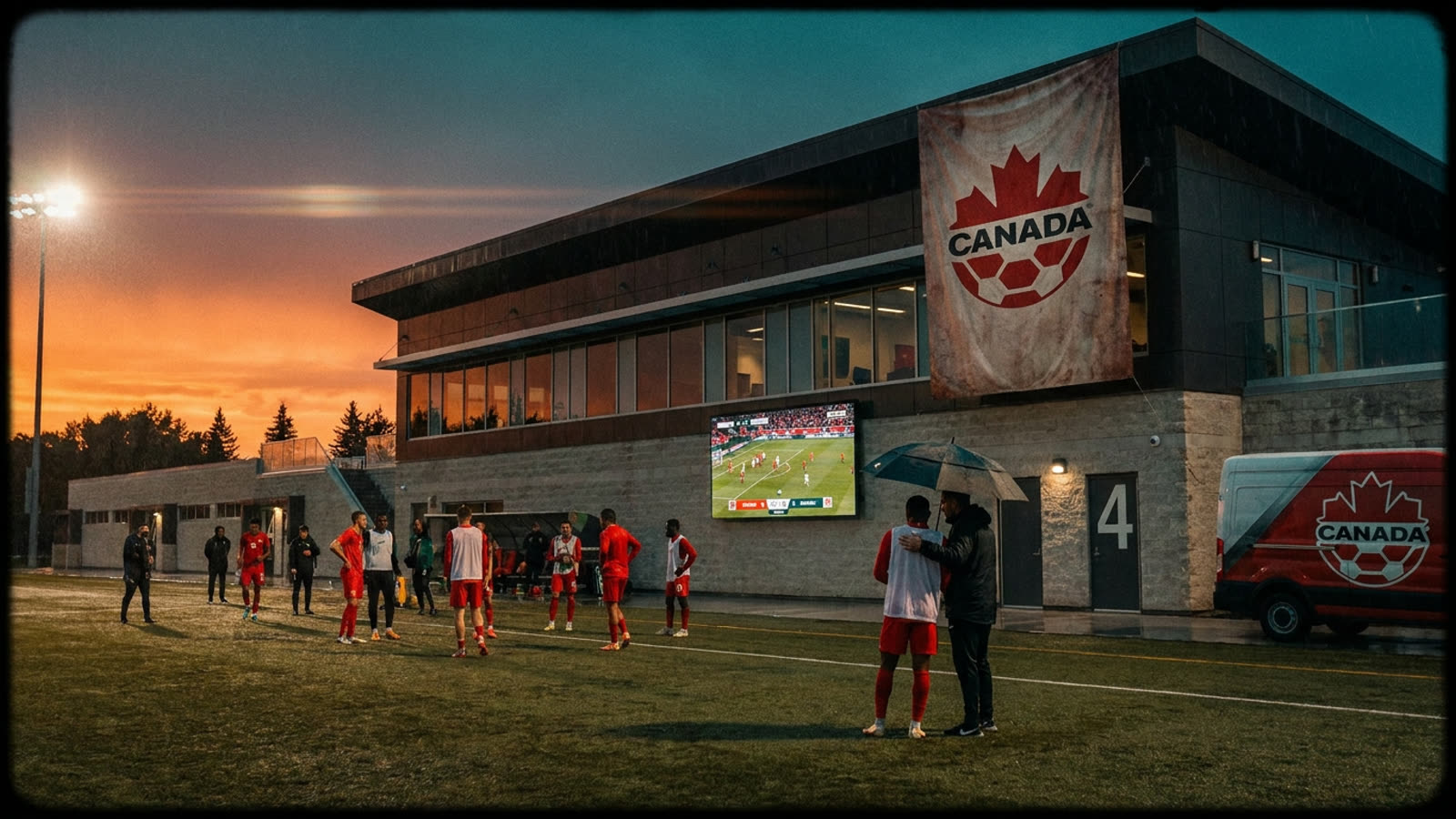
Canadian soccer has spent decades in the wilderness, a hockey nation where the men's national team existed mostly as a curiosity and occasionally as a punching bag. That changed on Saturday in the most Canadian way possible: not with a dominant performance, but with a combination of grit, favorable arithmetic, and the kind of officiating chaos that will fuel conspiracy theories from Casablanca to Calgary for years.
The Canadians secured their first-ever berth in the knockout round of a men's World Cup, a milestone that seemed unthinkable even four years ago when the program was still rebuilding from decades of neglect. That they did so on a day when VAR decisions across multiple venues swung wildly, when red cards flew like confetti, and when the group-stage finale descended into something resembling a fever dream only adds to the legend.
The arithmetic of chaos
Canada's path through Group F required results elsewhere to break their way, and break they did—though not before maximum drama. The Canadians needed to avoid defeat while hoping other matches produced specific outcomes. What they got instead was a afternoon where nothing went according to script for anyone.
VAR interventions in multiple simultaneous matches created a cascade of reversals that left fans refreshing their phones and commentators struggling to keep pace. Penalty decisions were awarded, rescinded, and re-awarded. A red card in one venue changed the calculus in another. By the time the dust settled, Canada had squeezed through on goal difference, their historic qualification achieved through a combination of their own resilience and the tournament's descent into procedural bedlam.
What it means for the program
For Canadian Soccer, this is validation of a decade-long investment in player development that has produced genuine talent: Alphonso Davies at Bayern Munich, Jonathan David's prolific scoring in Ligue 1, and a generation of players who grew up believing they belonged on the world stage rather than merely visiting it.
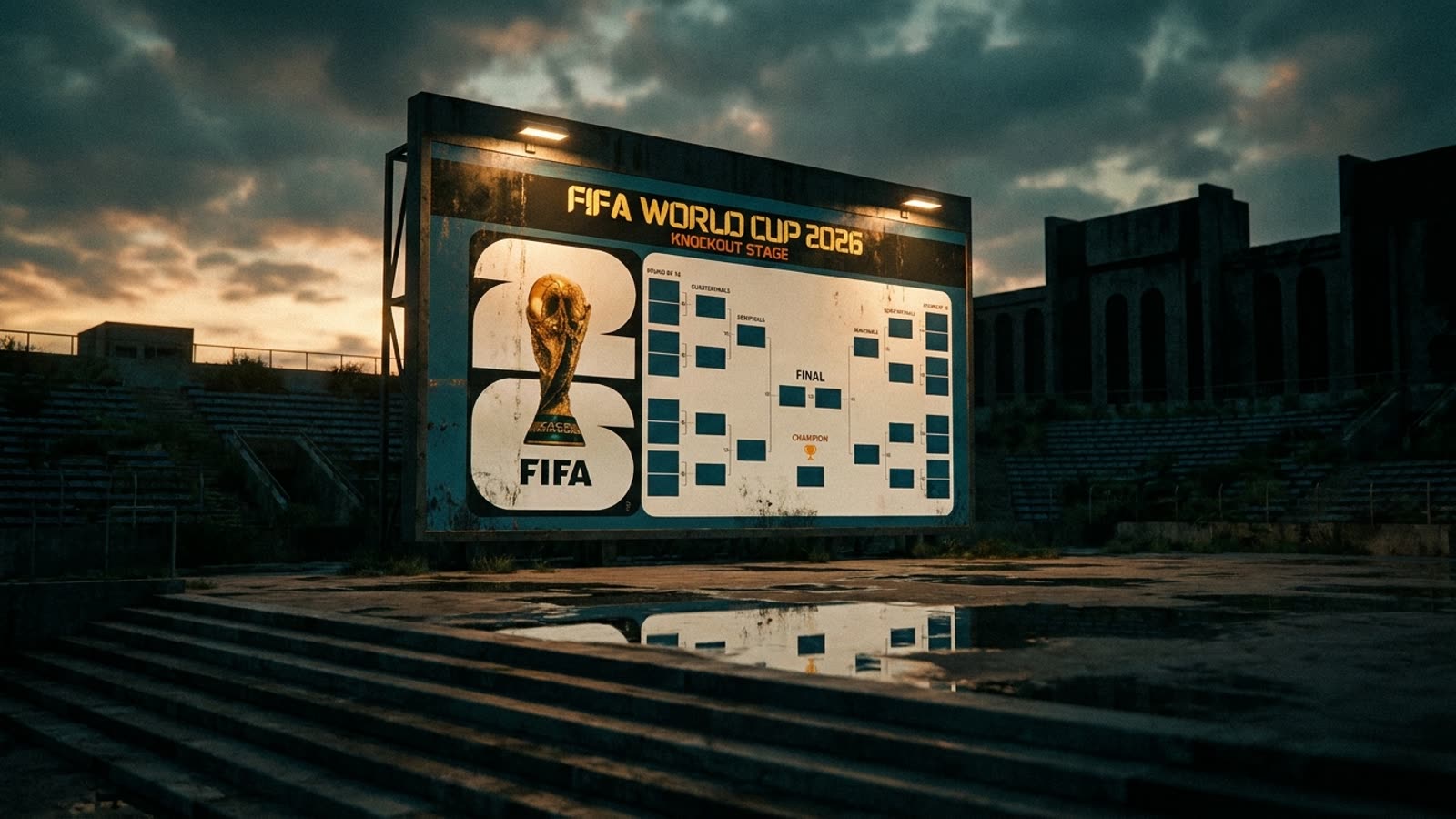
The knockout round opponent will be formidable—the group winners from the other half of the bracket await—but that almost misses the point. Canada has announced itself as a legitimate soccer nation, not merely a host country for the 2026 tournament but a participant with ambitions. The program's trajectory now includes a data point that cannot be erased: they made it out of the group.
The VAR question lingers
Saturday's chaos will inevitably reignite debates about video review in soccer. The technology was supposed to eliminate the howlers, the egregious missed calls that decided matches. Instead, it has created a new category of controversy: the interminable review, the chalk-line offside, the subjective handball interpretation that takes three minutes and twelve camera angles to adjudicate.
FIFA will defend the system, as it must. The data shows VAR corrects more wrong decisions than it creates. But data cannot capture the experience of watching a match where play stops every fifteen minutes for consultation with a video booth in Zurich, where celebrations are muted pending review, where the rhythm of the game is subordinated to the rhythm of the replay.
Our take
Canada's achievement deserves celebration without asterisks. They qualified under the same rules as everyone else, navigating a group stage that tested every team's nerves and tactical flexibility. That their historic moment arrived wrapped in controversy says more about the tournament's officiating infrastructure than about the Canadians themselves. Soccer has always been a game of fine margins—the deflected shot, the offside trap sprung a half-second too late, the referee's interpretation of contact in the box. VAR was supposed to eliminate randomness; instead, it has merely relocated it. Canada, for once, found themselves on the right side of the chaos. They will take it, and they should.