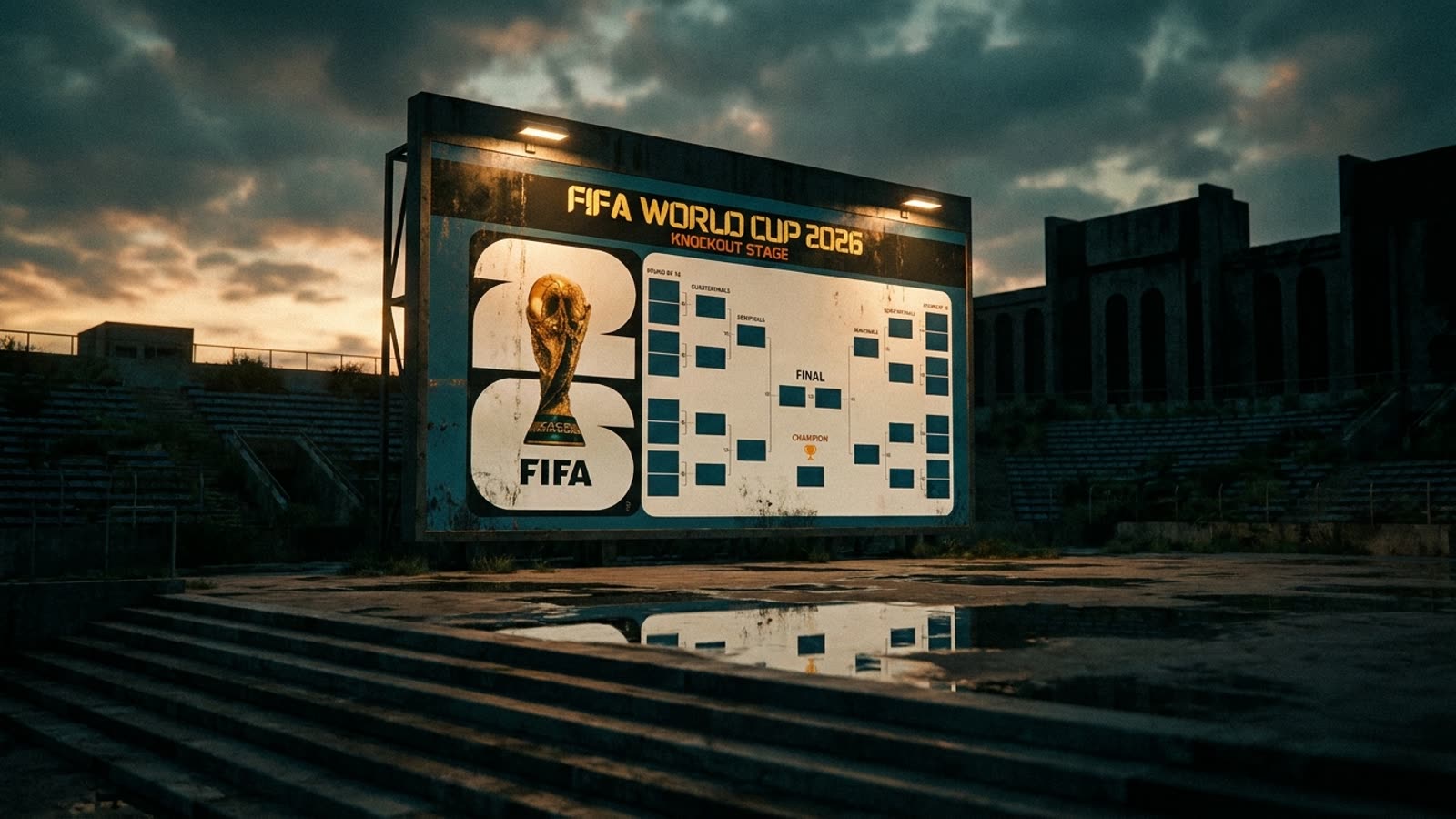
The 2026 World Cup group stage delivered its usual cocktail of heartbreak, VAR melodrama, and improbable heroes. But now the real tournament begins, and the bracket reveal has handed certain contenders a velvet rope while condemning others to a murderers' row of elimination matches. The path to the final in New Jersey on July 19 looks radically different depending on which side of the draw you landed.
This is the tournament's hidden lottery—the one that happens after you've already qualified. And this year, the disparity is stark enough to reshape betting markets and managerial blood pressure in equal measure.
The blessed half
France, for all their group-stage stumbles, have emerged into a bracket quadrant that reads like a recovery spa. Their likely round-of-16 opponent poses minimal threat, and the quarterfinal path avoids both Brazil and Argentina until a potential semifinal at the earliest. Didier Deschamps, who has navigated World Cup brackets with the instincts of a card counter, must be quietly satisfied. Les Bleus have won tournaments looking far worse than they do now.
England, too, find themselves in relatively hospitable territory. After years of drawing Germany in knockouts and losing to Croatia when it mattered, Gareth Southgate's successor has inherited a draw that could see the Three Lions reach the final four without facing a traditional heavyweight. Whether they can capitalize is another matter—England's talent for finding novel ways to disappoint remains world-class.
The death march
Then there's the other side. Brazil and Argentina, the tournament's co-favorites by most metrics, have been funneled into the same half of the bracket, meaning one of South America's giants is guaranteed to fall before the final. Should both win their round-of-16 ties, they'd meet in the quarterfinals—a clash that would normally headline a semifinal or final. It's the kind of matchup that makes neutrals giddy and South American federation officials reach for antacids.
Germany, meanwhile, face a potential quarterfinal against Spain after a round-of-16 tie that's no gimme. The hosts needed this tournament to announce their return to elite status; instead, they've drawn a path that demands they beat two of Europe's best just to reach the semis.
Our take
Bracket luck is the sport's great unspoken variable—the thing that separates dynasties from near-misses. France's 2018 run benefited from a favorable draw; Argentina's 2022 triumph required them to beat the Netherlands, Croatia, and France in succession. This year's bracket suggests we may crown a champion who never had to face the tournament's best team. That's not cheating; it's football. But it does mean the final's loser might have played the harder tournament.