When Bitcoin starts trending on aggregator platforms, the reflexive assumption is that another wave of retail speculation is cresting. This time the mechanics look different. The search spike arriving in late October 2026 coincides not with meme-coin mania or celebrity endorsements but with a quieter, more consequential development: a sustained acceleration of spot ETF inflows and fresh corporate treasury allocations that suggest the asset's demand curve is being reshaped by balance-sheet buyers rather than app-store downloaders.
The ETF engine
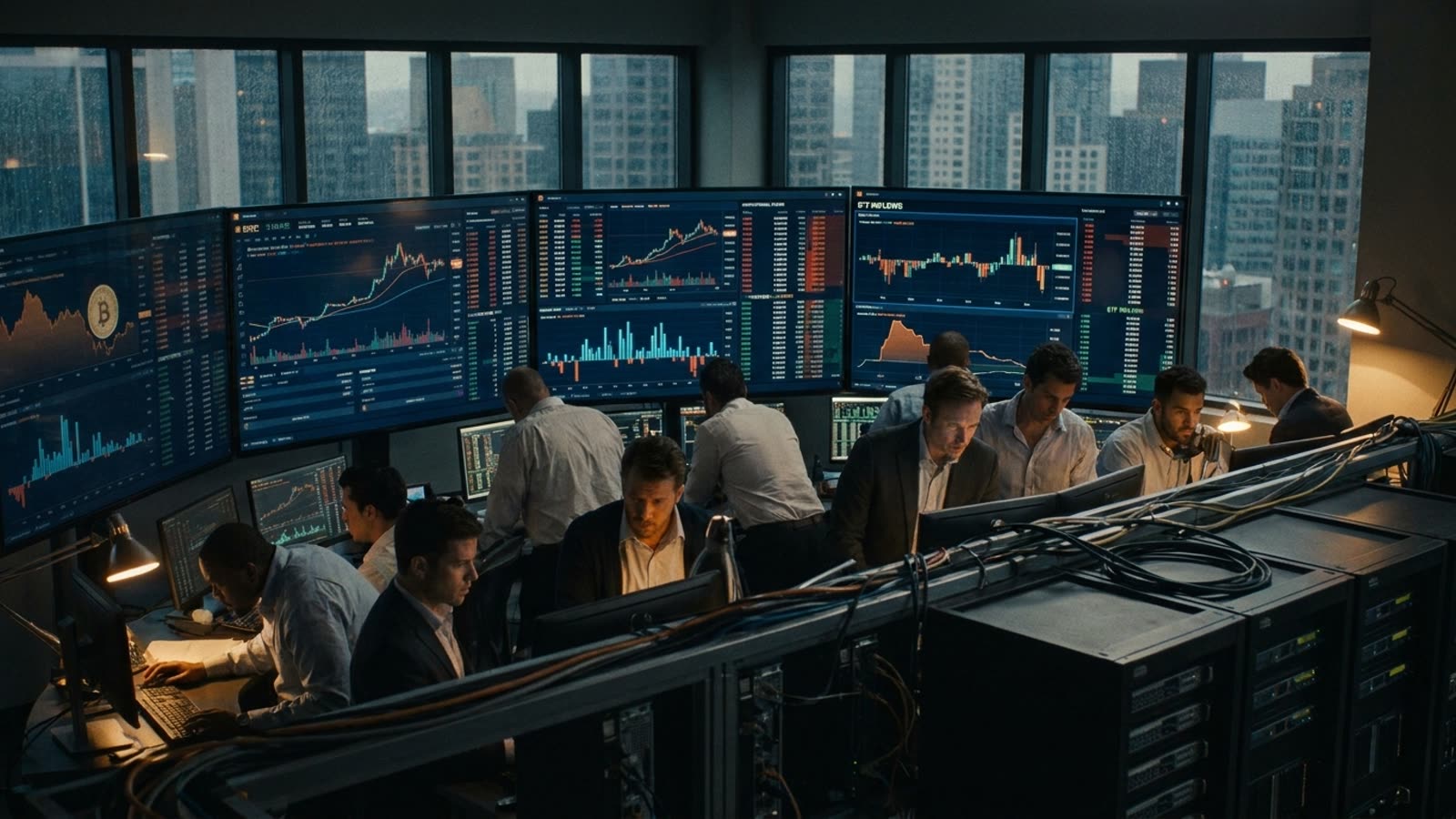
Nearly two years after the SEC's grudging approval of spot Bitcoin ETFs, the products have matured from curiosity to infrastructure. Weekly inflows have climbed steadily through the autumn, with the largest issuers reporting cumulative assets that now rival mid-sized gold ETFs. The search-interest correlation is instructive: Google Trends data shows Bitcoin queries rising in tandem with ETF flow announcements, not with price volatility alone. Retail still watches, but the catalyst is increasingly institutional action rather than viral tweets.
Corporate treasuries keep stacking
Strategy—the company formerly known as MicroStrategy—remains the most visible corporate accumulator, but it is no longer alone. A handful of mid-cap firms have disclosed Bitcoin purchases in recent quarters, treating the asset as a hedge against currency debasement and a signal of technological alignment. The aggregate corporate holdings are now large enough to matter on-chain, and their buy-the-dip behavior dampens drawdowns that once triggered cascading liquidations. This structural bid changes the character of Bitcoin's volatility profile, making trending moments less about panic and more about positioning.
Why search interest matters now
CoinGecko's trending algorithm weights velocity of queries, not absolute volume. A spike therefore indicates a sudden shift in attention, often preceding price moves. In earlier cycles, such spikes preceded both euphoric rallies and brutal corrections. The current environment is more ambiguous: Bitcoin has traded in a relatively narrow band for months, and the search surge may reflect curiosity about whether the consolidation is about to break. Options markets show elevated implied volatility for year-end expiries, suggesting traders are bracing for a directional move without consensus on which way.
Our take
The most interesting thing about Bitcoin trending in October 2026 is how boring the underlying story is. No hack, no fork, no regulatory bombshell—just steady accumulation by entities that file quarterly reports and answer to shareholders. That mundanity is itself the news. An asset once defined by its capacity to shock is slowly being domesticated by the same institutional plumbing that governs every other financial product. Whether that makes Bitcoin more valuable or merely less interesting is a question the next cycle will answer.