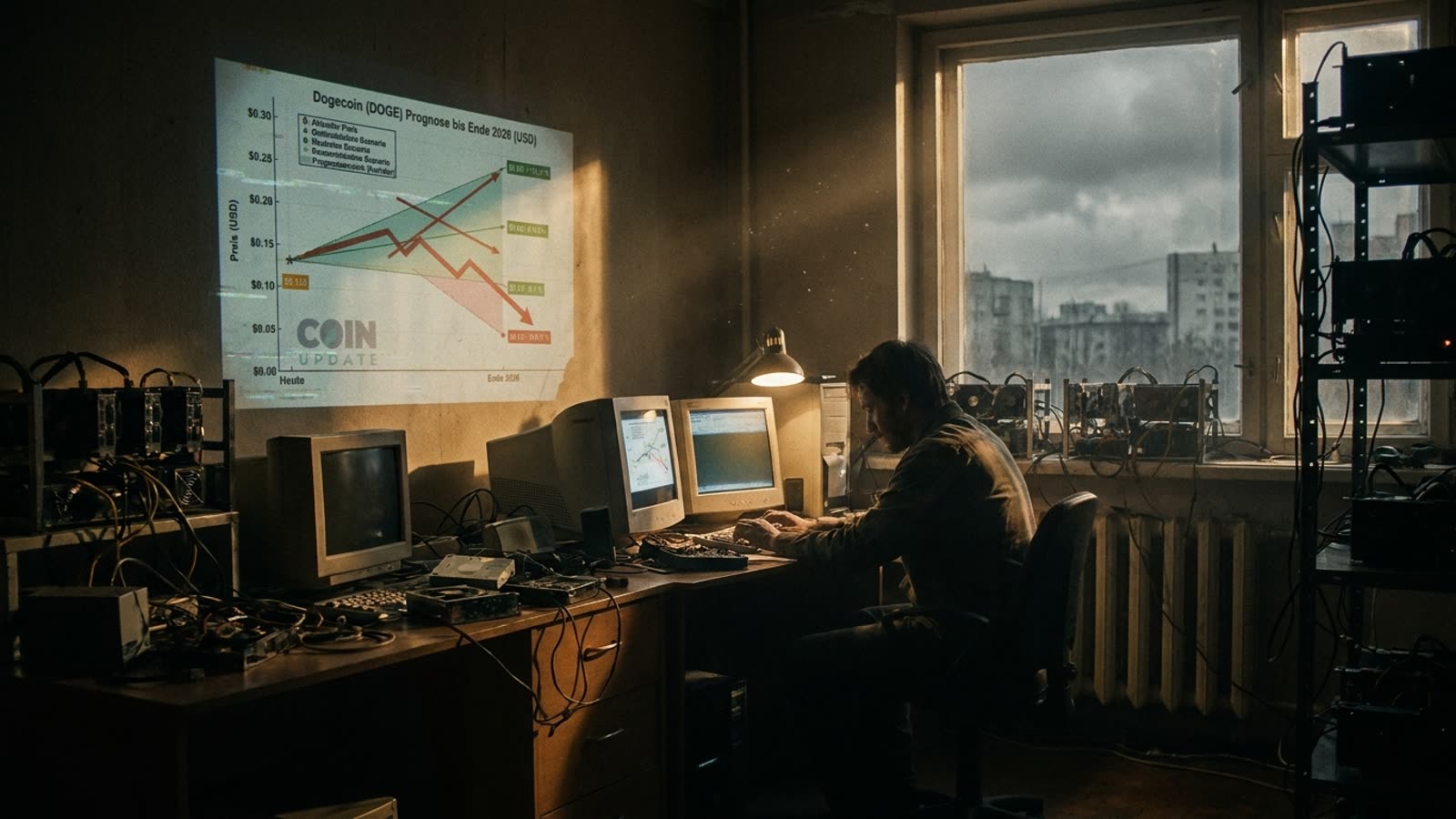
The joke stopped being funny somewhere around the third consecutive quarter of losses. Dogecoin, the Shiba Inu-branded cryptocurrency that once commanded a market capitalization north of $80 billion, now trades below eight cents—a 60% decline over the past twelve months and a 90% collapse from its 2021 peak. Thursday's 2.6% drop is merely the latest indignity for holders who mistook viral momentum for fundamental value.
The proximate cause of this week's slide is unremarkable: broader risk-off sentiment across altcoins, thin liquidity, and the absence of any catalyst to arrest the bleed. The deeper cause is more instructive. Dogecoin was always a social experiment masquerading as a financial asset, and the experiment has run its course.
The Musk premium has evaporated
For a brief, strange period between 2020 and 2022, Elon Musk's Twitter account functioned as Dogecoin's de facto marketing department. A rocket emoji here, a "Dogefather" quip there, and the token would surge 20% before breakfast. That dynamic has collapsed entirely. Musk's attention has migrated to X's internal payment ambitions, his AI ventures, and his increasingly fraught relationship with the federal government. He hasn't posted about DOGE in months. Without the world's most famous shitposter providing free publicity, Dogecoin is just another inflationary token with no smart contract functionality, no staking yield, and no development roadmap worth mentioning.
The meme coin market has fragmented
Dogecoin's original sin was proving that a cryptocurrency could succeed on vibes alone. That lesson spawned thousands of imitators—Shiba Inu, Pepe, Bonk, and an endless procession of animal-themed tokens competing for the same speculative capital. The meme coin sector is now saturated, and Dogecoin's first-mover advantage has become a liability. Newer tokens offer fresher narratives, lower prices per unit (a psychological quirk that matters to retail gamblers), and communities that haven't yet experienced the exhaustion of a multi-year bear market. DOGE is the aging rock band still touring state fairs while younger acts sell out arenas.
The technical picture offers no comfort
Dogecoin's blockchain remains functional but stagnant. The development team is small, updates are infrequent, and the network's proof-of-work consensus mechanism looks increasingly anachronistic as Ethereum's proof-of-stake transition recedes into history. There is no DeFi ecosystem, no NFT marketplace, no institutional adoption thesis. The token's only use case is speculation, and speculators have found more interesting places to speculate.
Our take
Dogecoin was always going to end this way. The question was never whether the joke would stop working, only when. The answer, it turns out, is gradually and then suddenly—the Hemingway trajectory that applies to most assets built on nothing but collective belief. For those who bought DOGE as a lark and lost money they could afford to lose, the lesson is cheap. For those who convinced themselves that a token created in two hours as a parody of cryptocurrency mania represented a legitimate store of value, the tuition has been considerably more expensive. The Shiba Inu is tired. Let it rest.