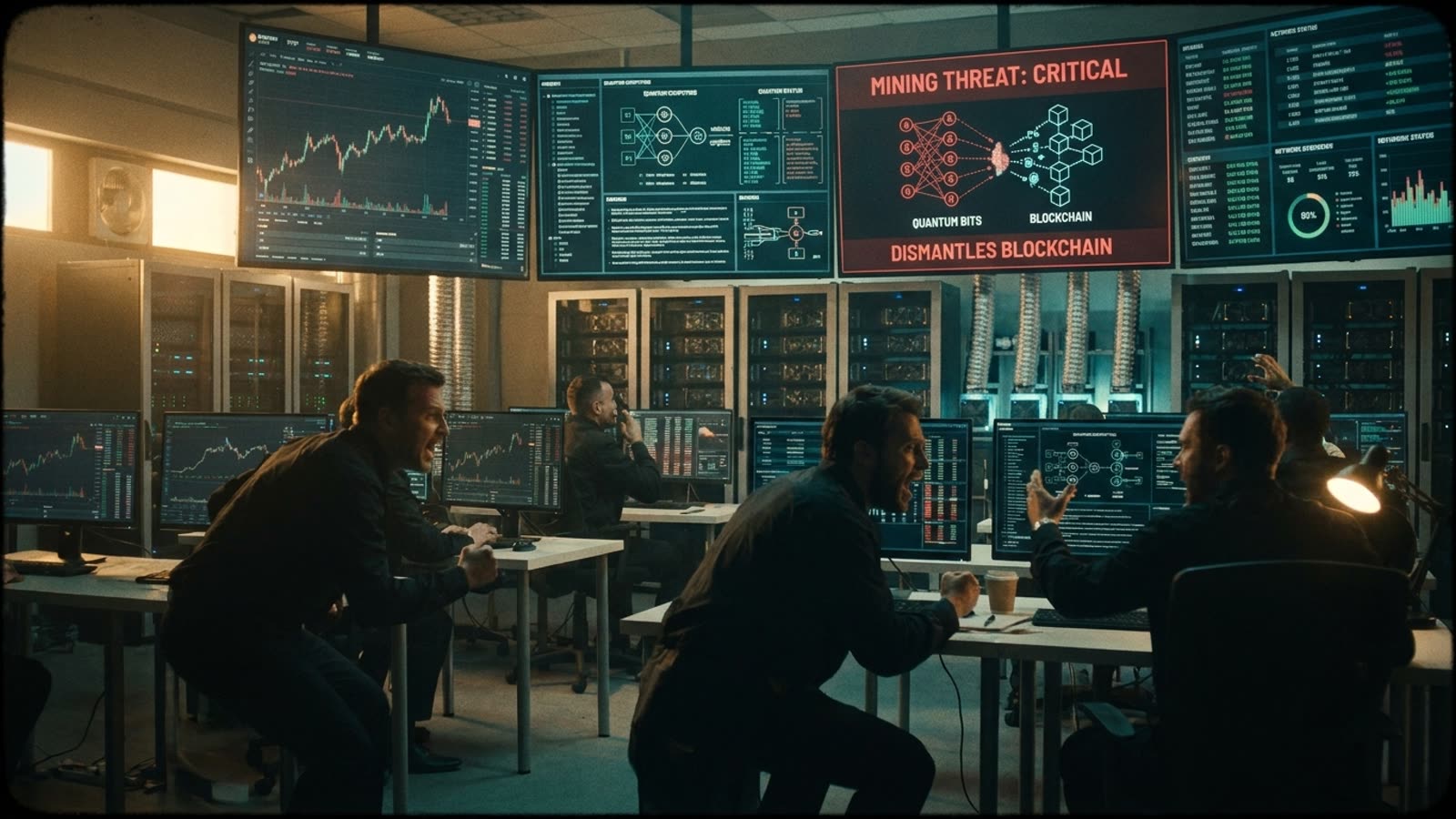
For years, crypto evangelists promised that Bitcoin would eventually decouple from equities—a pristine collateral asset, uncorrelated and unshakeable. The past two months have offered a brutal counter-narrative: while the S&P 500 has climbed for nine consecutive weeks, Bitcoin, ether, XRP, and even the meme-coin mascot dogecoin have gone essentially nowhere, drifting sideways or modestly lower as capital flows elsewhere.
The divergence is not subtle. Since late March, U.S. equities have added roughly 12 percent, buoyed by cooling inflation prints, resilient corporate earnings, and a Federal Reserve that has signaled patience rather than panic. Over the same stretch, Bitcoin has oscillated in a narrow band around the mid-$60,000s, unable to reclaim its all-time high from earlier in the year. Ether has fared worse, slipping below $3,000 and staying there.
The ETF factor
Much of the stagnation traces back to the spot Bitcoin ETFs that launched with such fanfare in early 2024. After an initial surge of inflows—billions of dollars in the first quarter alone—demand has cooled markedly. Recent weeks have seen net outflows or negligible additions, suggesting that the easy institutional money has already arrived. The ether ETFs, approved later and with less hype, never generated comparable enthusiasm and have struggled to attract sustained interest.
Without fresh ETF demand to absorb supply, Bitcoin's price has become hostage to the same macro cross-currents that buffet any risk asset. When equities rally on soft-landing optimism, crypto no longer automatically follows; instead, it competes for the same marginal dollar—and lately, it has been losing.
A correlation conundrum
The irony is that Bitcoin's correlation with stocks has actually declined in recent months, just not in the way bulls hoped. Rather than rising independently, it has simply stopped rising at all. The "digital gold" thesis—that Bitcoin would behave like a safe-haven asset during equity stress—remains untested in this cycle, because there has been no stress to speak of. What the market has tested instead is whether Bitcoin can attract flows when equities are the obvious momentum trade. The answer, for now, is no.
Altcoins have fared no better. XRP, dogecoin, and Solana have all underperformed Bitcoin on a relative basis, suggesting that speculative appetite within crypto has also waned. The sector's internal rotation—from majors to memes and back—appears to have stalled alongside the broader rally.
Our take
Crypto's identity crisis is showing. The asset class spent years courting institutional legitimacy, and the ETFs delivered it—but legitimacy comes with expectations. Institutions allocate on risk-adjusted returns, not manifestos. If Bitcoin cannot outperform a simple equity index fund during a benign macro environment, the case for a permanent portfolio allocation weakens. The next real test will come when equities stumble; until then, crypto is just another risk asset with worse liquidity and no dividends.