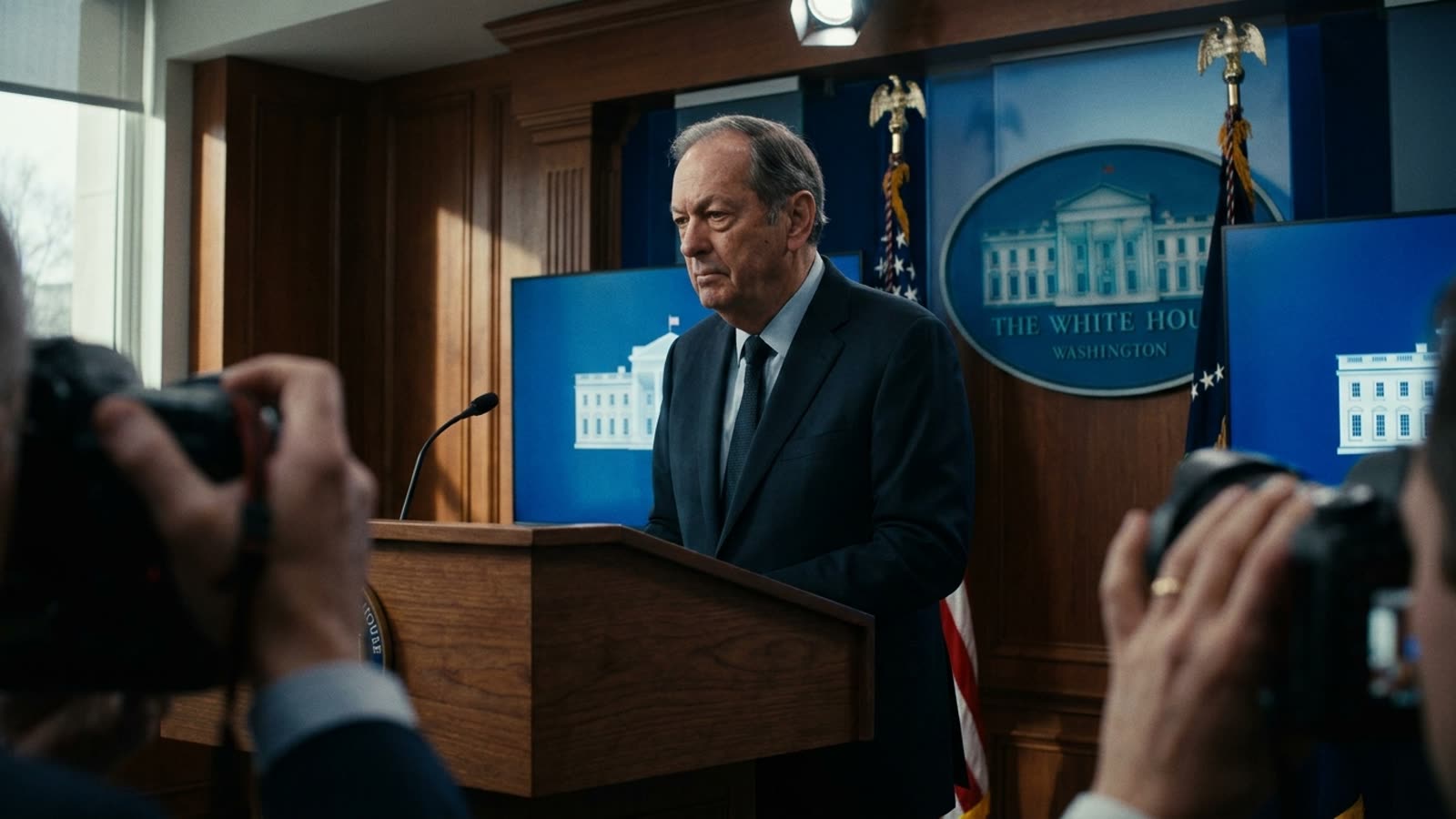
The photograph making rounds this week shows Bill Bradley looking remarkably unchanged from his Senate days—tall, slightly stooped, wearing the expression of a man who has made peace with being recognized but not approached. It's a face that once graced presidential campaign posters and Madison Square Garden jumbotrons, now belonging to someone who has perfected the rare skill of being famous without being visible.
Bradley, 82, represents a species of American celebrity that barely exists anymore: the athlete-intellectual who parlayed physical gifts into political ambition, then stepped away before the game consumed him entirely. His trajectory—Princeton, Rhodes Scholar, two NBA championships with the Knicks, three Senate terms, a 2000 presidential run that Al Gore dispatched with clinical efficiency—reads like a blueprint for a certain kind of American striving that now feels almost quaint.
The disappearing act
What Bradley has done since losing to Gore is arguably more interesting than what came before. He joined a handful of corporate boards, wrote books about values and civic engagement that sold respectably without becoming cultural touchstones, and cultivated relationships with the kind of donors who prefer their influence undetected. He appears at charity events for causes related to education and youth basketball, always photographed but rarely quoted.
This is not retirement so much as strategic repositioning. Bradley understood something that most politicians never grasp: there is power in absence. By refusing to become a cable news talking head or a Twitter provocateur, he preserved a kind of credibility that his contemporaries squandered chasing relevance.
The Knicks connection
His basketball legacy has aged better than his political one. The 1970 and 1973 championship teams remain the last Knicks squads to win titles, a drought now stretching past five decades. Bradley's cerebral, team-first style—he averaged just 12.4 points per game but was essential to the system—anticipated the positionless basketball that would dominate decades later. He was, in retrospect, playing the wrong sport in the wrong era; his game would translate better now.
The Knicks organization still invokes his name with reverence, trotting him out for anniversary celebrations where he waves to crowds who mostly know him as a historical artifact rather than a living player. He accepts this gracefully, understanding that being a symbol is its own form of utility.
Our take
Bill Bradley's quiet persistence is a rebuke to the attention economy that has consumed everyone who came after him. He ran for president, lost, and simply declined to spend the next quarter-century relitigating it on podcasts. He was a professional athlete who never opened a restaurant or launched a lifestyle brand. He served in the Senate without becoming a partisan caricature. In an age when every former something feels compelled to remain a current something, Bradley's willingness to become a former everything is almost radical. The man understood exits.