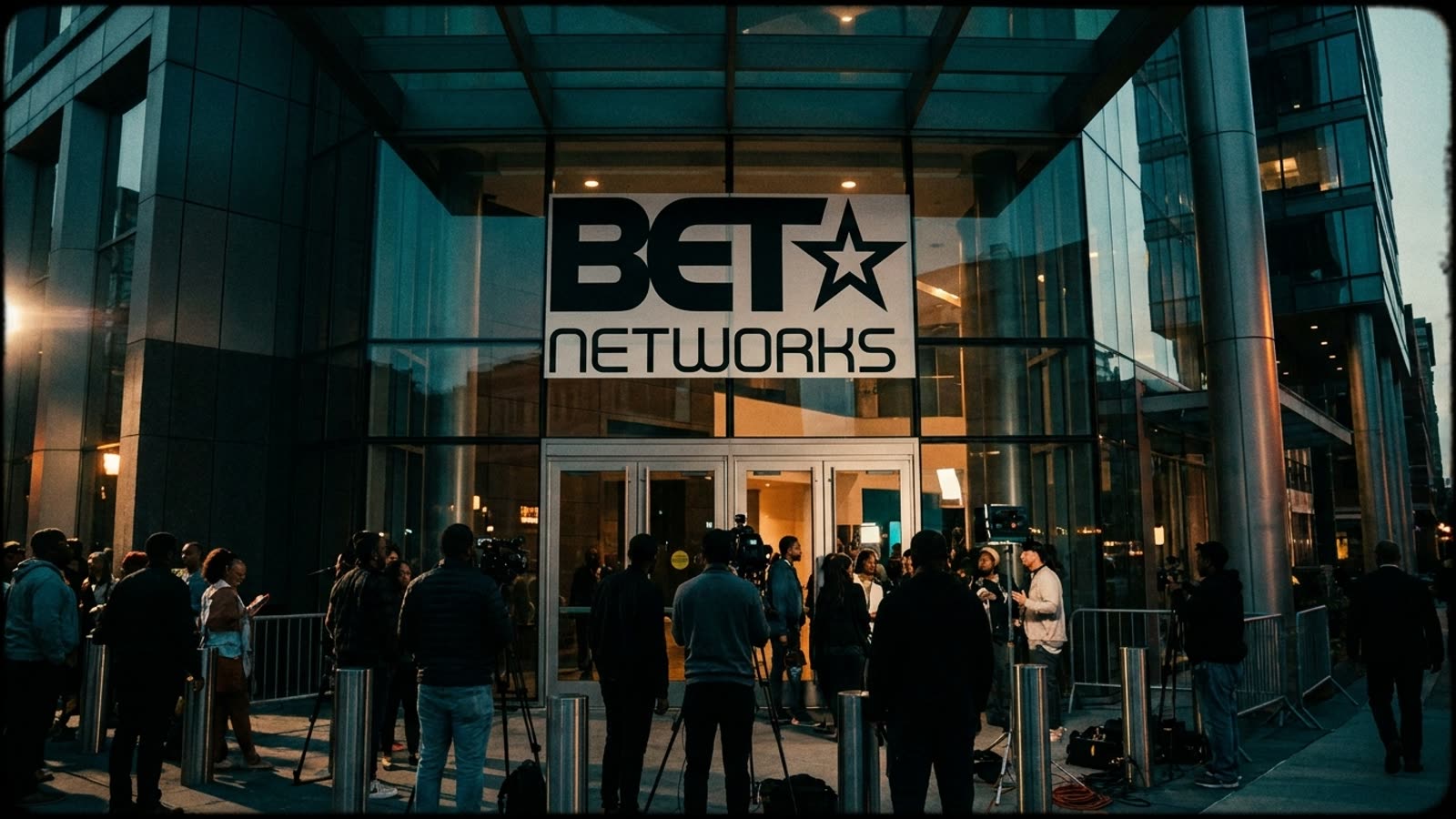
The BET Awards has always been more than a trophy ceremony — it is an annual referendum on who speaks for Black America, and what they choose to say when the cameras are rolling.
What began in 2001 as a straightforward music-industry celebration has evolved into something considerably more complex: part variety show, part political rally, part family reunion for an entertainment industry that still struggles with representation everywhere else. The show's quarter-century journey reveals as much about the changing nature of Black celebrity as it does about the awards themselves.
From niche to necessary
The BET Awards emerged during a peculiar moment in American entertainment. The major networks had largely abandoned programming for Black audiences, and the Grammy Awards remained stubbornly resistant to honoring hip-hop and R&B with the same prestige afforded to rock and pop. BET filled a vacuum that the mainstream industry had created through neglect.
The early ceremonies were modest affairs, heavy on musical performances and light on production value. But they offered something unavailable elsewhere: a prime-time celebration where Black artists could be themselves, speak candidly, and receive recognition from their own community rather than waiting for validation from predominantly white institutions.
The political turn
The awards transformed after the killing of Trayvon Martin in 2012 and the subsequent rise of Black Lives Matter. What had been an entertainment broadcast became a platform for activism. Acceptance speeches grew longer and more pointed. Tribute segments honored victims of police violence alongside musical legends. The show's producers learned to build political moments into the broadcast rather than treating them as interruptions.
This evolution created occasional tension with BET's corporate ownership — first Viacom, now Paramount Global — but it also made the ceremony essential viewing in ways that pure entertainment programming rarely achieves. The BET Awards became appointment television because audiences never quite knew what would be said.
The influence economy
Today's ceremony operates within an entertainment landscape unrecognizable from 2001. Social media has democratized celebrity, streaming has fragmented audiences, and Black artists dominate popular music in ways that would have seemed improbable two decades ago. The BET Awards no longer needs to argue for the legitimacy of its honorees; Beyoncé, Kendrick Lamar, and their peers require no institutional validation.
Yet the show persists because it offers something the fragmented digital world cannot: a single evening when the community gathers, in person and virtually, to celebrate collectively. In an era of algorithmic isolation, that gathering function may matter more than any statue.
Our take
The BET Awards' longevity is itself an argument for cultural institutions that serve specific communities rather than chasing universal appeal. The show works precisely because it does not try to be everything to everyone — it knows its audience, respects their intelligence, and trusts that the rest of the world will pay attention when something important happens. Twenty-five years in, that formula looks less like niche programming and more like a blueprint.