The conviction of Karmelo Anthony for the murder of college swimmer Austin Metcalf should have closed a chapter of grief for the Metcalf family. Instead, it has opened a new one—this time about the twelve people who delivered the verdict.
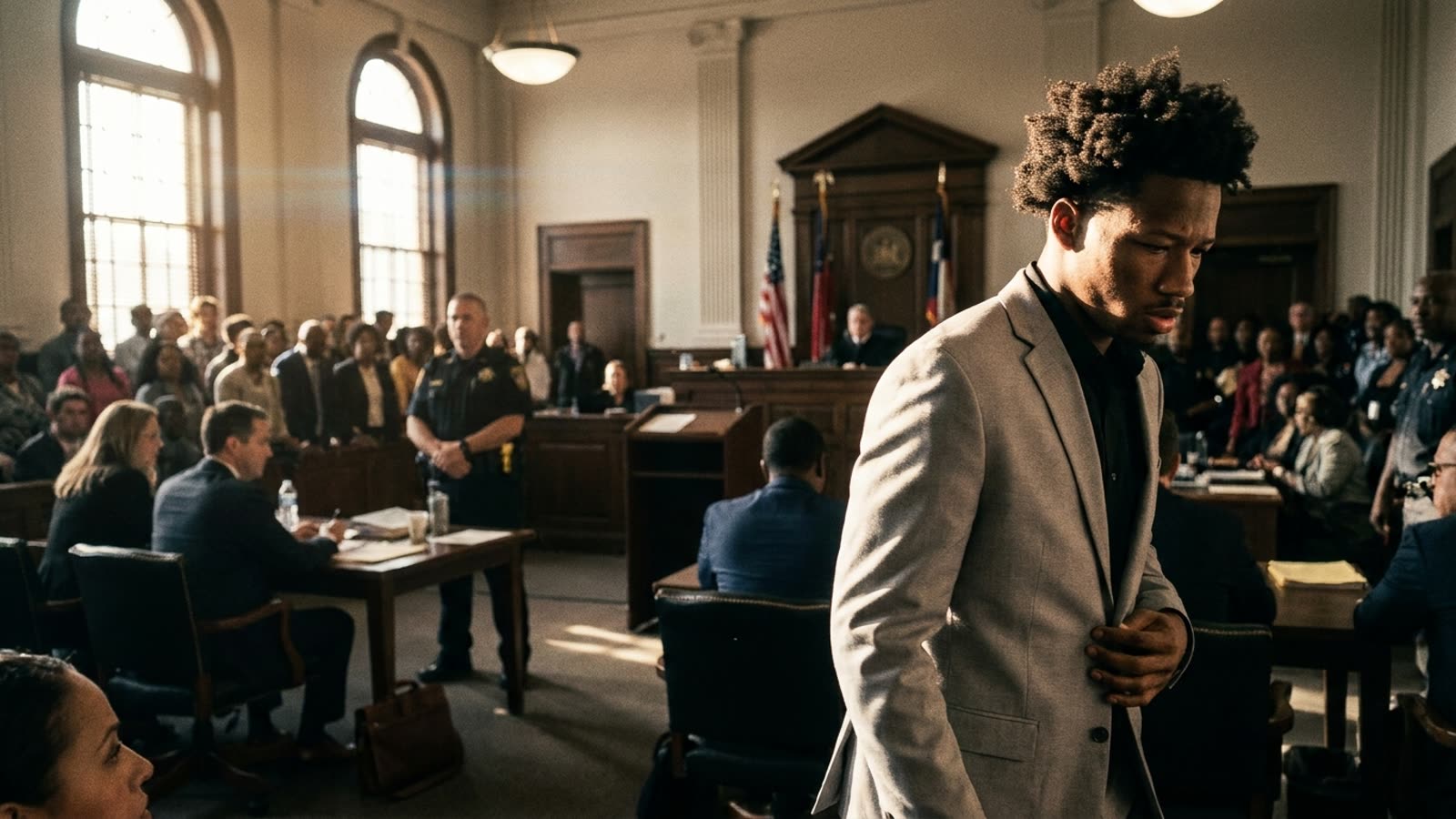
Austin Metcalf's father has gone public with his frustration that the jury that convicted Anthony contained no Black jurors, a complaint that might seem counterintuitive given that the conviction went his way. But the elder Metcalf's objection is not about the outcome; it is about the optics, the legitimacy, and the long shadow that racially homogeneous juries cast over American justice. His willingness to raise the issue even when it benefits his family's case is, in its way, a more powerful indictment than any defense attorney could mount.
The Legitimacy Problem
American courts have grappled with jury composition since Reconstruction, and the Supreme Court's 1986 decision in Batson v. Kentucky was supposed to prevent prosecutors from using peremptory challenges to systematically exclude Black jurors. Nearly four decades later, the problem persists in subtler forms: jury pools drawn from voter rolls and DMV records that underrepresent minority communities, implicit bias in voir dire questioning, and the economic reality that hourly workers—disproportionately people of color—often cannot afford to serve. The result is juries that technically comply with the law but visually, viscerally, do not reflect the communities they judge.
When Victims Speak for Defendants
What makes Metcalf's father's complaint remarkable is its source. Victim's families typically want convictions upheld, not questioned. By raising the jury composition issue, he is implicitly acknowledging that a verdict rendered by an unrepresentative panel carries an asterisk—even when it punishes the person who killed his son. This is not legal strategy; it is moral clarity of an unusual kind. He is saying, in effect, that justice cannot be justice if it arrives through a process that looks like injustice.
The Celebrity Courtroom's Magnifying Glass
High-profile trials have always exposed the fault lines in American jurisprudence. The O.J. Simpson verdict, the George Zimmerman acquittal, the Derek Chauvin conviction—each became a referendum on race, policing, and who gets the benefit of the doubt. The Karmelo Anthony case is smaller in scale but asks the same uncomfortable question: Can a defendant receive a fair trial from a jury that shares none of his lived experience? The answer, legally, is yes. The answer, socially, is more complicated.
Our take
Metcalf's father has done something rare and admirable: he has prioritized the integrity of the system over the comfort of closure. His complaint will not overturn the conviction, nor should it—Anthony was found guilty on the evidence. But it serves as a reminder that verdicts are not just about guilt or innocence; they are about whether the process itself can withstand scrutiny. A jury that looks nothing like the defendant is not necessarily biased, but it is certainly a problem that American courts have been failing to solve for generations. Sometimes the most powerful critique of the system comes not from those it punishes, but from those it ostensibly serves.