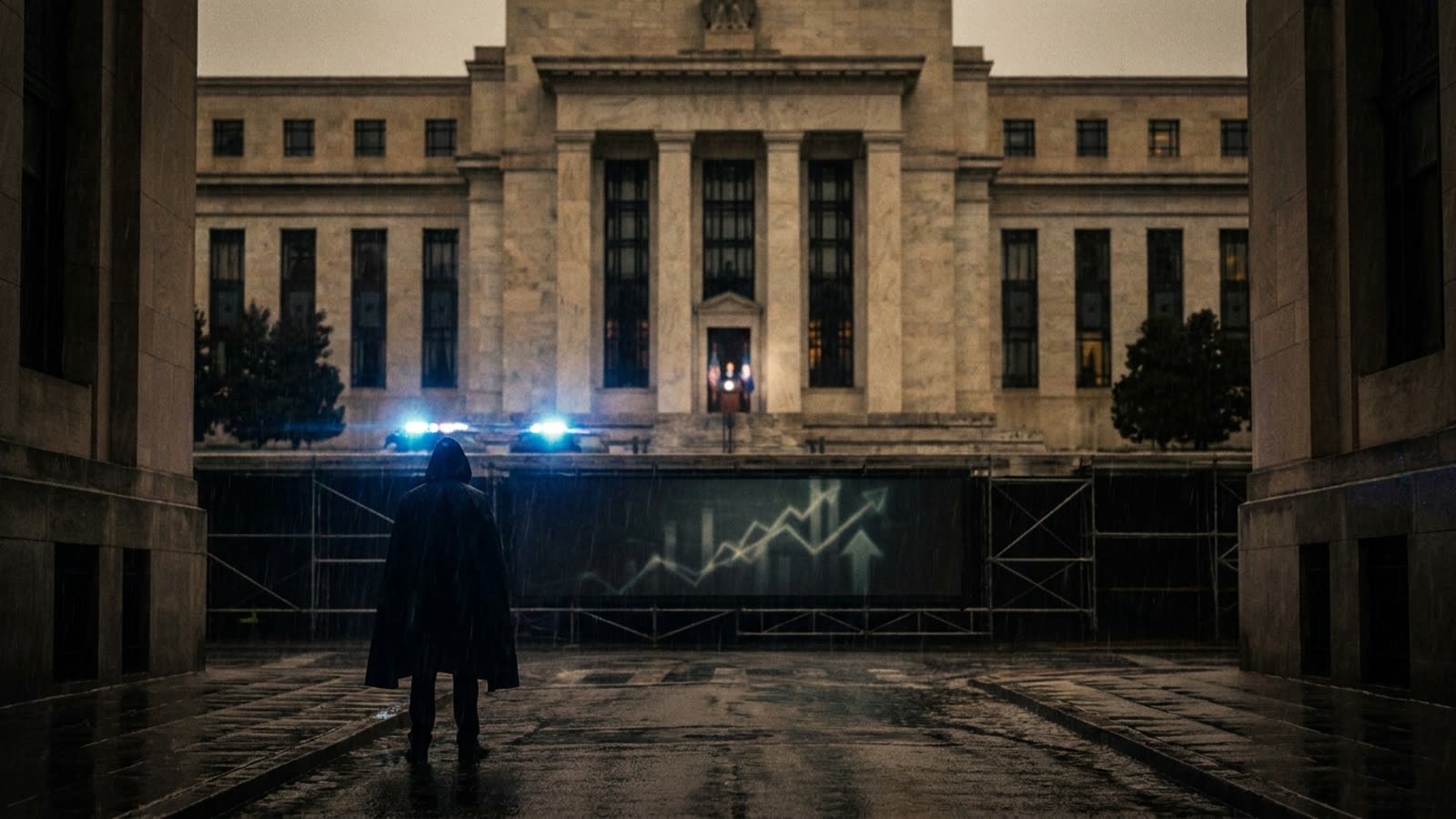
The trading floors of Tokyo, Hong Kong, and Singapore opened the week in a familiar posture: cautious, hedged, and waiting for someone else to blink first. Asian equities drifted sideways on Monday as fresh US-Iran military exchanges sent oil prices climbing while Federal Reserve officials continued to signal that rate cuts remain distant. The result is a market caught between two gravitational forces that normally pull in the same direction but now refuse to cooperate.
The logic of the last decade suggested a simple playbook: geopolitical flare-ups meant risk-off, which meant rate cuts were coming, which meant equities would eventually recover. But 2026 has rewritten that script. Inflation remains sticky enough in the United States that Fed officials spent the weekend reinforcing their commitment to keeping rates elevated. Meanwhile, oil's surge past $85 per barrel threatens to reignite price pressures just as central bankers thought they had the upper hand.
The Middle East premium returns
Fresh strikes between American and Iranian forces over the weekend—the third such exchange this month—have reintroduced a geopolitical risk premium that markets had largely priced out during the spring thaw. Brent crude jumped nearly 3% in early Asian trading, with energy stocks in Sydney and Tokyo outperforming broader indexes. But the gains were narrow. Outside of oil and defense names, most sectors treaded water as traders debated whether escalation would be contained or spiral into something that disrupts global shipping lanes.
The Strait of Hormuz, through which roughly a fifth of the world's oil passes daily, remains the elephant in every risk model. No serious disruption has occurred yet, but insurance premiums on tanker routes have quietly crept higher for three consecutive weeks.
The Fed's uncomfortable timing
In any other environment, rising energy prices and geopolitical uncertainty would prompt central banks to adopt a more accommodative stance. Not this time. Fed Governor Christopher Waller used a Saturday speech to reiterate that the central bank sees no urgency in cutting rates, pointing to labor market resilience and services inflation that refuses to cool below 3%. Markets now price only one quarter-point cut for the remainder of 2026, down from three cuts expected as recently as April.
For Asian economies, this creates a particularly awkward bind. A stronger dollar—the natural consequence of higher-for-longer US rates—pressures local currencies and forces regional central banks to choose between defending exchange rates and supporting domestic growth. The Bank of Japan, already navigating the aftermath of its historic policy shift, faces renewed yen weakness that threatens to undo months of careful communication.
Our take
Markets hate uncertainty, but they really hate contradictory signals. The current setup—geopolitical risk that should be deflationary meeting energy prices that are inflationary, wrapped in a Fed that refuses to budge—is the kind of puzzle that keeps trading desks paralyzed. Asian equities will likely remain range-bound until either the Middle East de-escalates meaningfully or US inflation data gives the Fed cover to soften its stance. Neither seems imminent. The prudent trade is patience, which is another way of saying there is no trade at all.