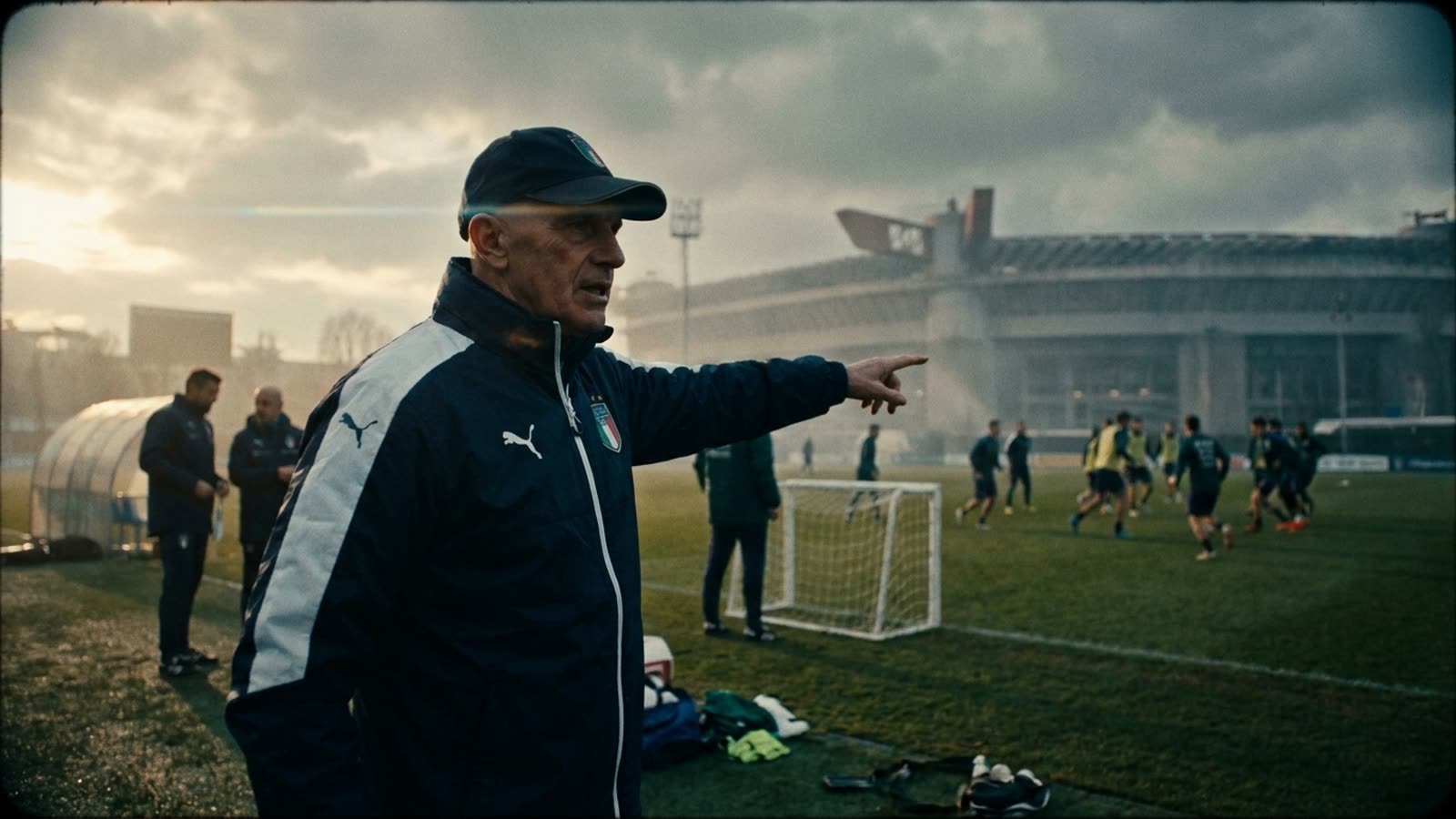
Before Arrigo Sacchi arrived at AC Milan in 1987, Italian football operated on a simple premise: defend deep, counterattack fast, and trust your libero to clean up whatever chaos the opposition created. Catenaccio wasn't just a system; it was a cultural identity, a reflection of Italian pragmatism elevated to sporting doctrine. Sacchi looked at this inheritance and decided it was cowardice dressed up as wisdom.
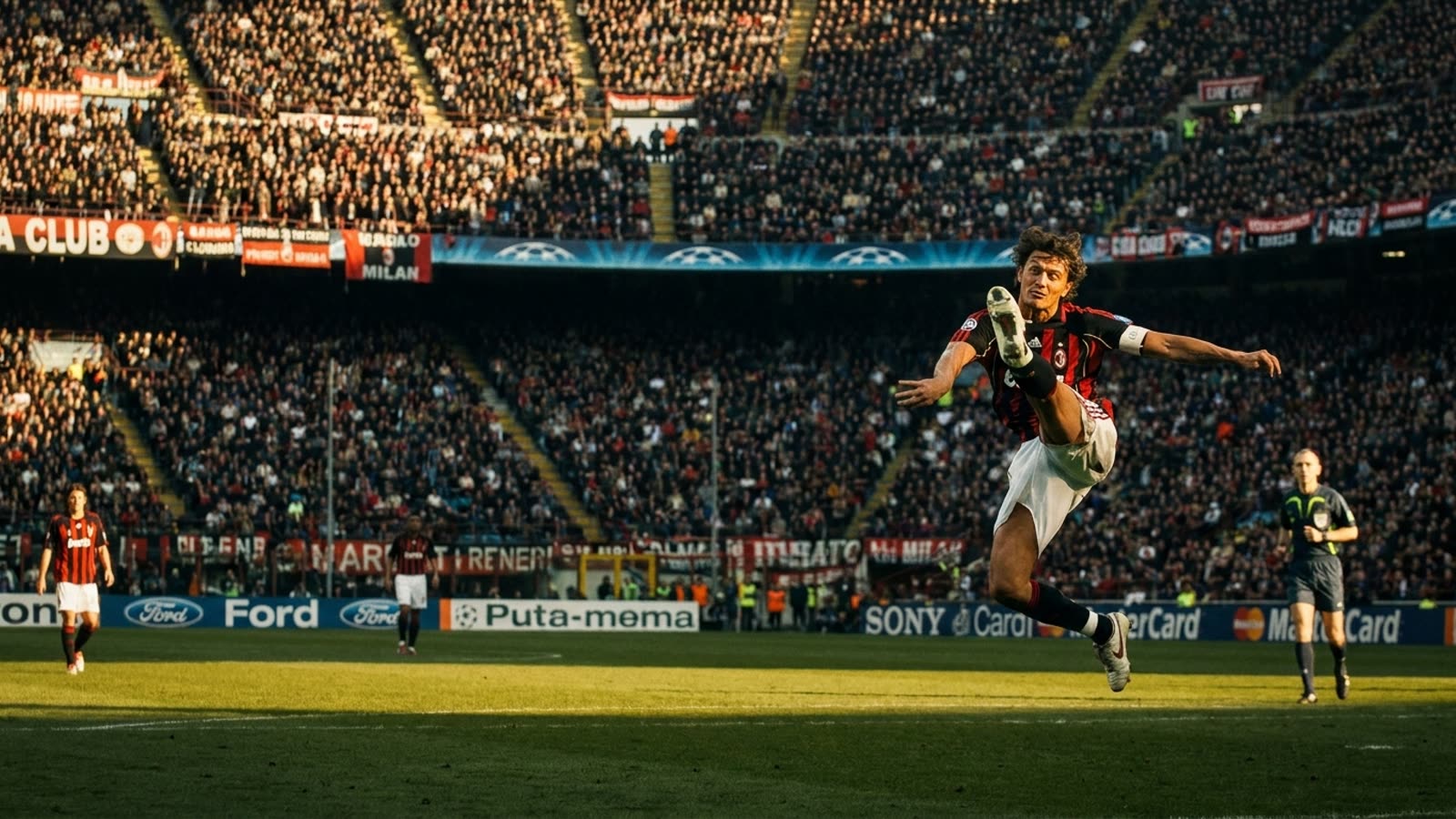
The former shoe salesman from Fusignano had never played professional football, a biographical detail his critics never tired of mentioning. But Sacchi understood something his detractors missed: football was entering an era where athletic preparation and collective movement would matter more than individual brilliance. His Milan teams—built around Franco Baresi, Paolo Maldini, Ruud Gullit, and Marco van Basten—didn't wait for opponents to make mistakes. They hunted them.
The geometry of suffocation
Sacchi's innovation wasn't pressing itself; teams had pressed before. His contribution was systematizing it into a coordinated, rehearsed mechanism that operated with the precision of a military operation. The back four moved as a single unit, compressing space vertically while the midfield squeezed horizontally. When Milan lost the ball, every player knew exactly where to position themselves relative to the ball, their teammates, and the nearest opponent.
The key metric was time. Sacchi wanted his players to win the ball back within six seconds of losing it, a target that sounds unremarkable now but was revolutionary in an era when teams routinely retreated into defensive blocks after turnovers. The pressing wasn't just defensive; it was an attacking weapon, designed to recover possession in dangerous areas where disorganized opponents could be punished immediately.
The disciples and the doctrine
Sacchi's Milan won consecutive European Cups in 1989 and 1990, demolishing Real Madrid 5-0 and Steaua București 4-0 in the respective finals. But his true legacy lives in the coaches who watched, studied, and adapted his methods. Johan Cruyff's Barcelona dream team borrowed liberally from Sacchi's playbook. Pep Guardiola, who played under Cruyff, built his own dynasty on foundations Sacchi laid. Jürgen Klopp's gegenpressing at Liverpool was Sacchi's six-second rule translated into German intensity.
The through-line is unmistakable: from Milan's San Siro to Barcelona's Camp Nou to Manchester's Etihad, the most successful clubs of the past three decades have embraced some version of Sacchi's core insight. Football is won not by reacting to opponents but by dictating terms to them, by making the pitch feel small and time feel short.
Our take
Sacchi's genius was recognizing that football's future belonged to systems, not stars—that a well-drilled collective could neutralize individual brilliance through sheer organizational superiority. It's a lesson that feels almost too obvious now, which is precisely the point. The ideas that seem inevitable in retrospect are usually the ones that required someone stubborn enough to believe in them before anyone else did. Sacchi was a shoe salesman who couldn't play, and he changed how the entire world thinks about the game.