The debate about whether Lionel Messi is the greatest footballer ever ended, for most reasonable observers, somewhere around 2022. What remains open is a narrower, more poignant question: how much more can he add to a ledger that already defies comprehension? On Monday in Houston, he answered with his 16th World Cup goal, drawing level with Miroslav Klose's all-time tournament record — a mark that stood for twelve years and was assumed, by many, to be untouchable.
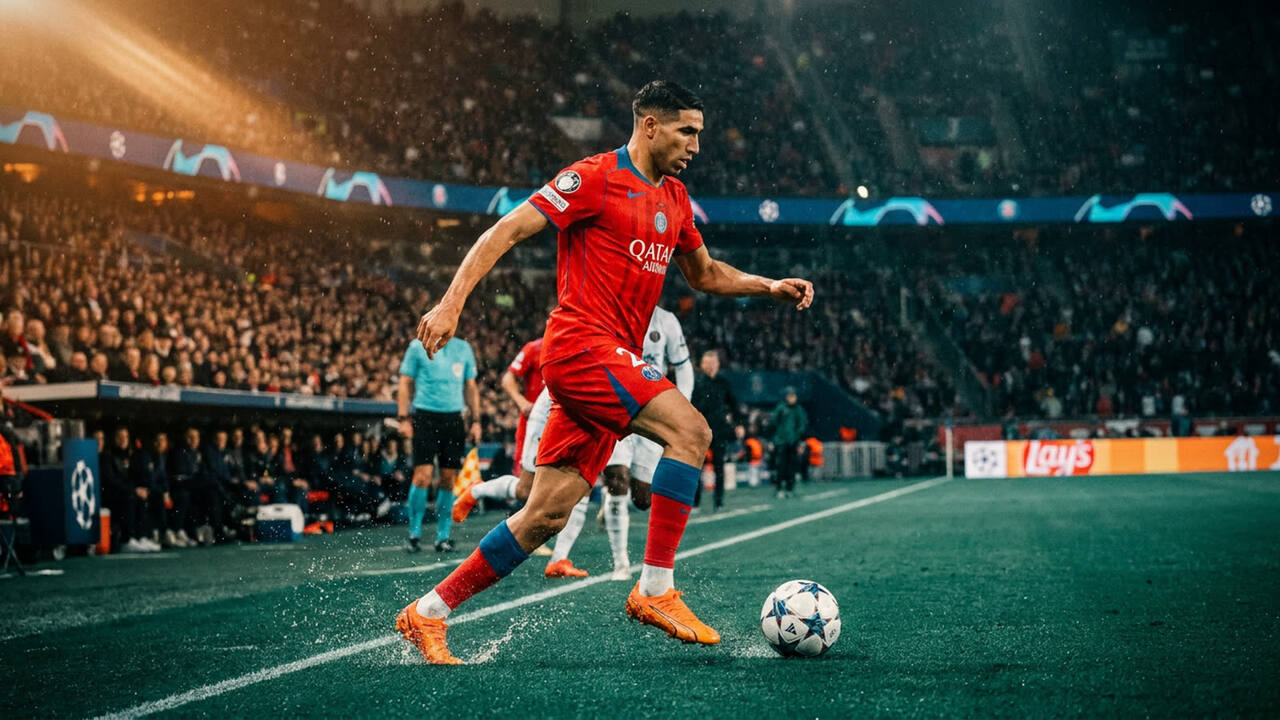
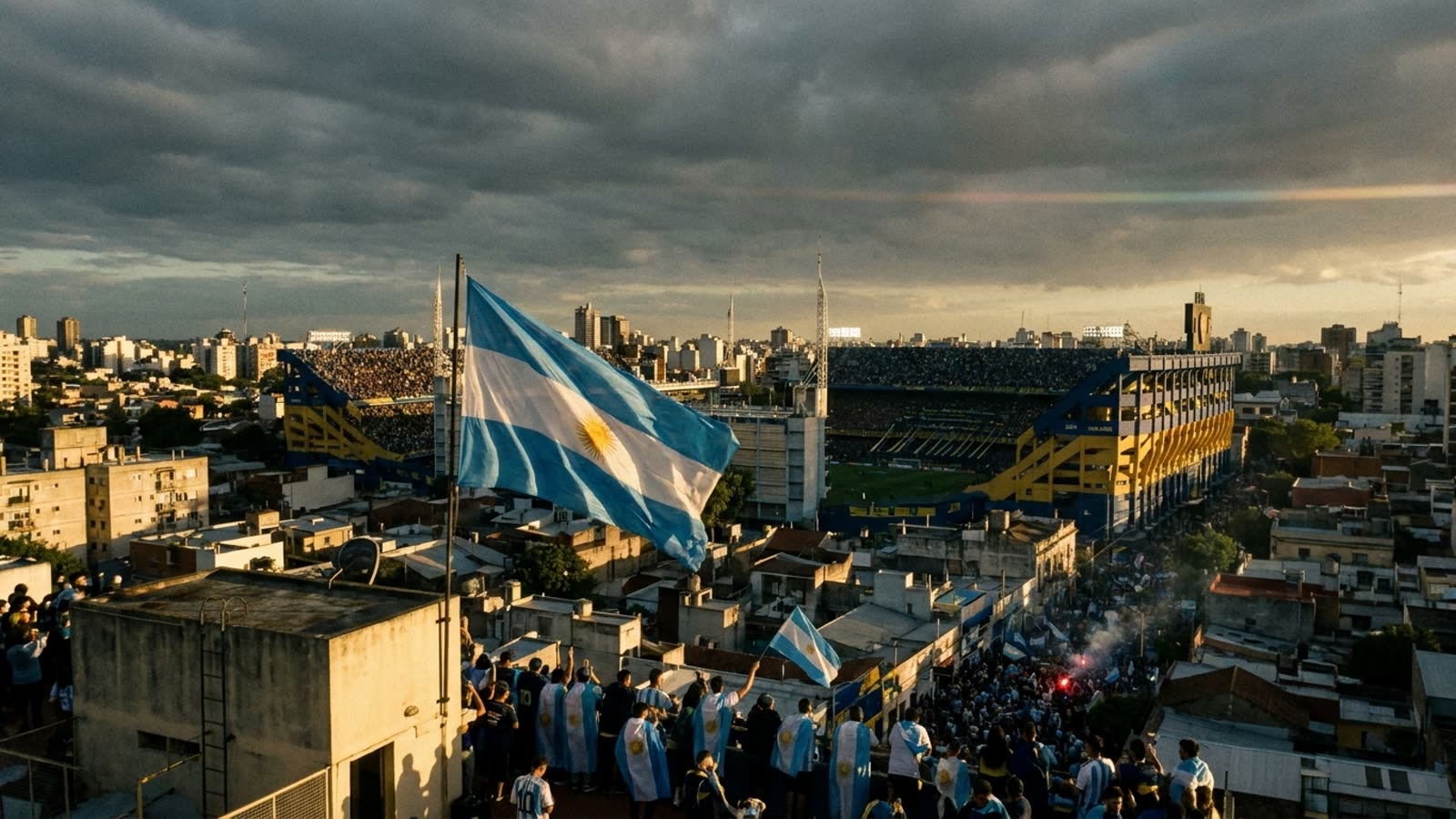
Argentina's 3-1 win over Algeria was comfortable enough that the scoreline undersells the gap in quality. But the match will be remembered for a single moment in the 67th minute: Messi collecting a loose ball at the edge of the box, feinting right, then curling a left-footed shot inside the far post with the unhurried precision of a man signing a document. The NRG Stadium crowd, heavily Argentine, understood immediately. So did Messi, who pointed skyward and then to the number on his back, as if annotating his own history.
The record in context
Klose's 16 goals came across four World Cups, from 2002 to 2014, a dozen years of German efficiency spread across 24 matches. Messi has now matched that total in five tournaments and 28 appearances — a slightly slower pace, but one that includes a fallow middle period when Argentina's dysfunction seemed destined to deny him the trophy that finally arrived in Qatar. That he is adding to the record at 38, in a tournament he once said he might not live to see, transforms statistics into something closer to narrative.
The goal also moves Messi past Pelé (12) and Gerd Müller (14) on the all-time list, names that belong to a sepia-toned era when World Cups were smaller and defenders less athletic. Klose's record was modern; Messi's pursuit of it is postmodern, conducted in an age of sports science and tactical sophistication that should make such longevity impossible. And yet here he is, still the best player on the pitch in most matches he enters.
What it means for Argentina
Lionel Scaloni's side entered the 2026 World Cup as defending champions and slight betting favorites, a status that owes everything to the man wearing number 10. The supporting cast — Julián Álvarez, Enzo Fernández, Alexis Mac Allister — is talented but not transcendent. Argentina's path to a potential third consecutive final (counting the 2021 Copa América) runs through Messi's ability to conjure moments that lesser players cannot imagine.
The Algeria match suggested that ability remains intact. Beyond the record-tying goal, Messi created four chances, completed 89% of his passes, and drew three fouls in dangerous areas. He is no longer the dribbling whirlwind of his twenties, but he has evolved into something more efficient: a conductor who dictates tempo and arrives in the box at precisely the right moment.
Our take
Records exist to be broken, and Messi will almost certainly surpass Klose before this tournament ends — Argentina's group-stage path is forgiving, and the knockout rounds offer at least two more matches if they advance as expected. But the number matters less than the context. Messi is playing his final World Cup with the calm authority of a man who has nothing left to prove and everything left to enjoy. For neutral observers, that combination is irresistible. For Argentina, it is the difference between hope and expectation.