The peculiar dread Americans feel toward artificial intelligence has less to do with the technology itself than with the rhetorical trap its champions have constructed. By framing AI as an inexorable force—something that will happen to us rather than something we might shape—Silicon Valley has inadvertently cultivated the very anxiety it claims to want to dispel.
This is the central tension emerging from recent polling and policy debates: a population that uses AI tools daily while simultaneously expressing deep unease about where those tools are headed. The disconnect isn't irrational. It's a reasonable response to being told, repeatedly, that resistance is futile.
The inevitability playbook
Tech executives have long deployed deterministic language when discussing AI advancement. "This is going to happen whether we like it or not" has become the industry's favorite rhetorical shield, deflecting questions about pace, direction, and accountability. The framing serves obvious commercial interests—if AI is inevitable, then racing to build it first becomes not just profitable but patriotic.
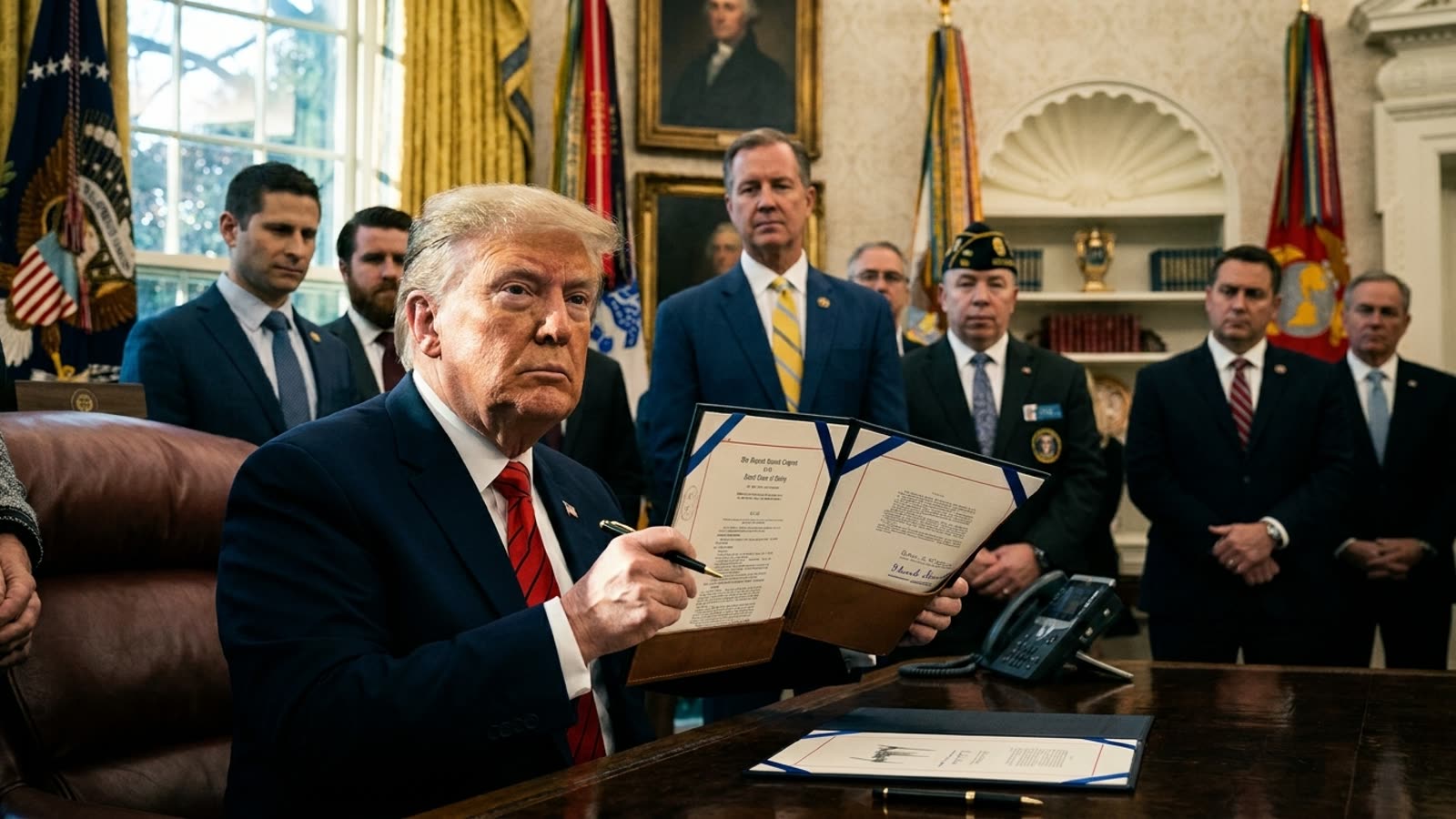
The Trump administration has embraced this logic wholesale, treating AI development as a geopolitical arms race where regulatory caution equals surrender. The result is a policy environment where the question "should we?" has been replaced entirely by "how fast can we?"
The fatalism trap
What the inevitability narrative fails to anticipate is its psychological cost. When people believe they have no agency over a transformative technology, they don't become enthusiastic adopters—they become resigned, anxious, and eventually hostile. The same polls showing widespread AI use also reveal majorities who believe the technology will ultimately harm society. This isn't technophobia; it's the rational response to feeling like a passenger in someone else's vehicle.
European attitudes toward AI, while hardly utopian, tend toward more measured concern rather than existential dread. The difference isn't cultural disposition—it's that European regulatory frameworks, whatever their flaws, signal that democratic institutions retain some authority over technological development. Americans have received no such signal.
The missing conversation
The tragedy is that genuine debate about AI governance has been crowded out by the false binary of "full speed ahead" versus "Luddite obstruction." Questions about labor displacement, concentration of power, and algorithmic accountability deserve serious engagement, not dismissal as obstacles to progress. The tech industry's refusal to entertain these conversations as legitimate has ceded the rhetorical ground to its harshest critics.
Our take
Americans don't dread AI because they're unsophisticated or fearful of change. They dread it because they've been told, by the people building it, that their concerns are irrelevant to its trajectory. Silicon Valley wanted inevitability to be reassuring—a promise that the future would arrive regardless of political interference. Instead, it reads as a threat. The industry might consider that democratic buy-in, however inconvenient, is ultimately cheaper than the backlash that comes from treating citizens as spectators to their own displacement.