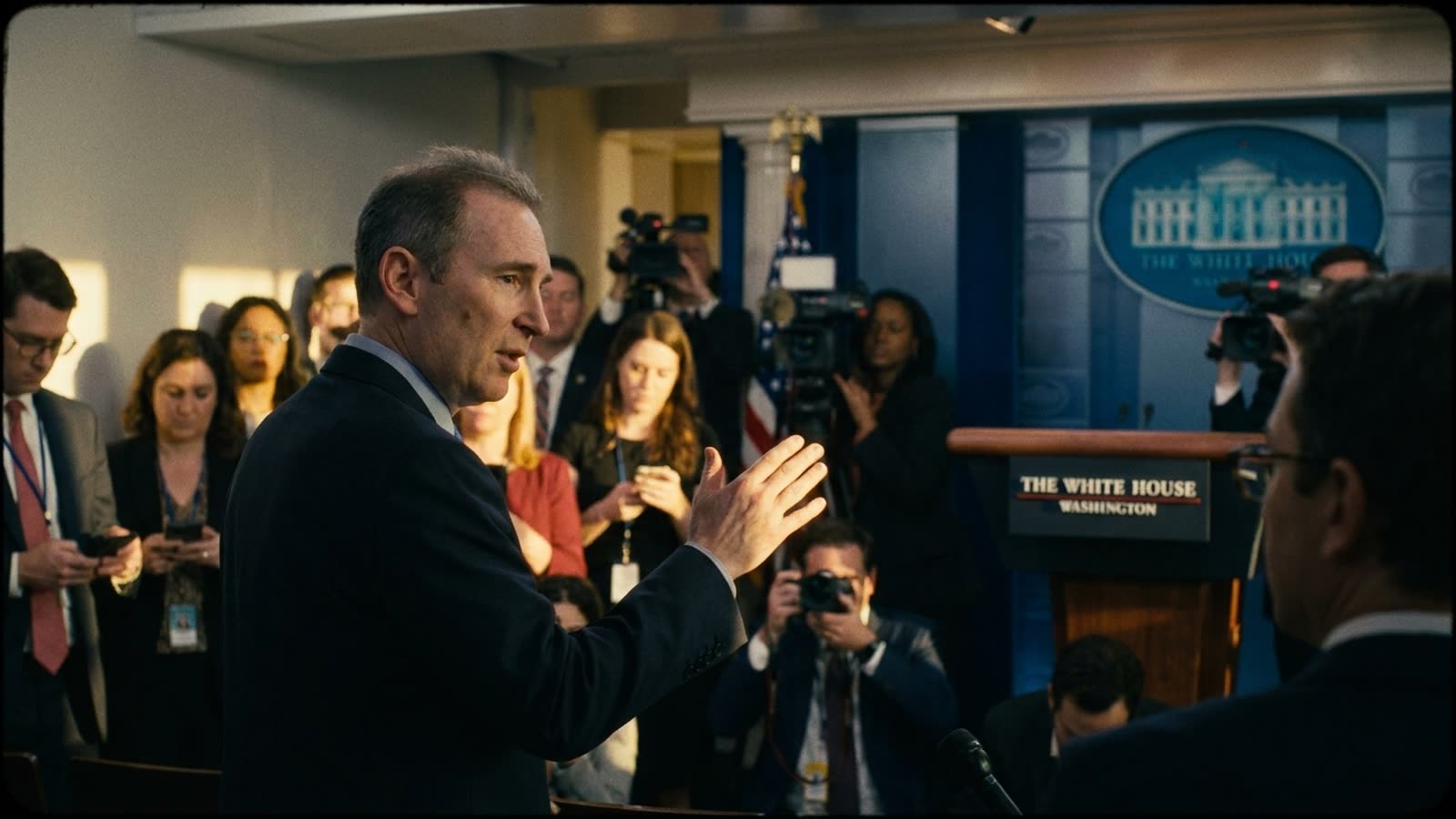
The government shutdown of Anthropic's frontier models didn't emerge from a vacuum. According to reports, Amazon CEO Andy Jassy raised pointed concerns about the AI company's most advanced systems weeks before the Trump administration issued its directive—a timeline that suggests the private sector may have more influence over AI policy than anyone in Washington wants to admit.
Amazon holds a substantial stake in Anthropic, having invested billions to secure cloud computing contracts and preferential access to Claude models. That financial entanglement makes Jassy's reported intervention all the more significant: here was a major investor effectively telling regulators that the company he'd backed might be moving too fast.
The awkward position of the investor-regulator
Jassy's concerns reportedly centered on Anthropic's own safety documentation—the model cards and capability assessments that the company publishes as part of its responsible scaling policy. When a company's internal safety team flags potential risks, and that company's largest investor then amplifies those concerns to federal officials, the resulting government action carries a peculiar legitimacy. It's not regulators imposing external constraints; it's the industry policing itself, with Washington providing the enforcement mechanism.
This dynamic inverts the usual narrative about AI regulation. Tech executives have spent years warning that heavy-handed government intervention would stifle innovation and push development overseas. Yet here, the call appears to have come from inside the house—from the C-suite of the world's largest cloud provider, no less.
What Amazon gains from the pause
Cynics will note that Amazon's cloud business benefits from slower AI deployment. Every month that frontier models remain unavailable is another month that enterprises continue running workloads on conventional infrastructure. Jassy has consistently positioned Amazon Web Services as the responsible choice for AI deployment, emphasizing security and compliance over raw capability. A regulatory environment that rewards caution over speed plays directly to AWS's strengths.
Whether Jassy's concerns were motivated by genuine safety considerations, competitive positioning, or some combination remains unknowable. But the effect is the same: Amazon has demonstrated that it can shape AI policy through private channels, without the messy business of public lobbying or congressional testimony.
Our take
The most powerful tech companies have discovered something regulators haven't fully grasped: in AI governance, the line between investor, developer, and regulator has dissolved entirely. Amazon can fund Anthropic's research, host its models, and apparently influence when those models get shut down. That's not a bug in the system—it's the system working exactly as designed, just not for the public's benefit. When the next AI safety crisis arrives, we'll learn whether this arrangement produces genuine caution or merely the appearance of it.