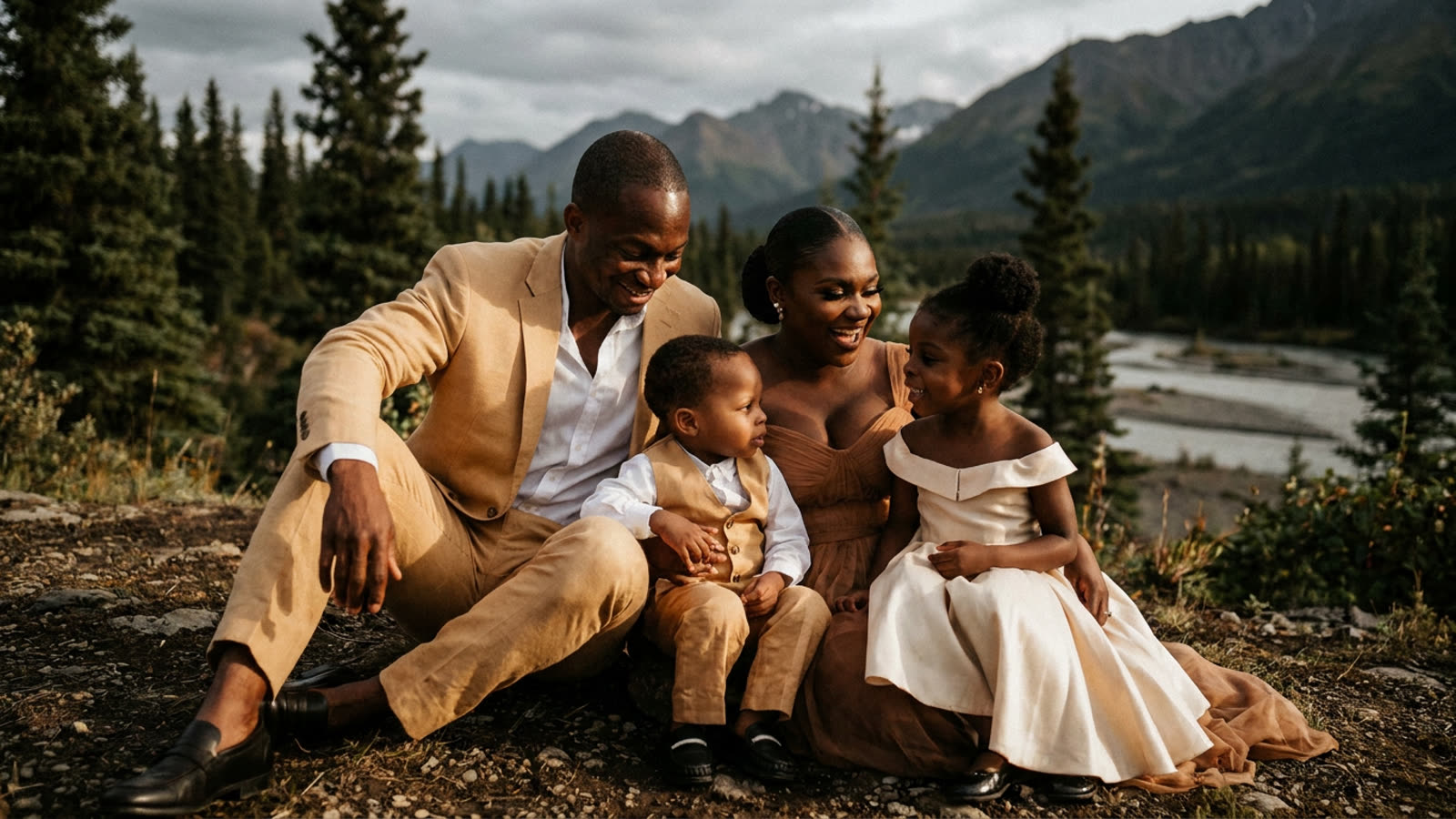
The Brown family of Discovery Channel's Alaskan Bush People was never quite what the show promised. The premise — a large family living entirely off the grid in the Alaskan wilderness, removed from modern civilization — was always more aspiration than reality, a fact that legal troubles, medical emergencies requiring mainland hospitals, and the occasional paparazzi sighting in Los Angeles made increasingly difficult to ignore. But the show's audience, which peaked at over 5 million viewers per episode, never seemed to mind the contradictions. They were watching something else entirely: a family drama dressed in frontier cosplay.
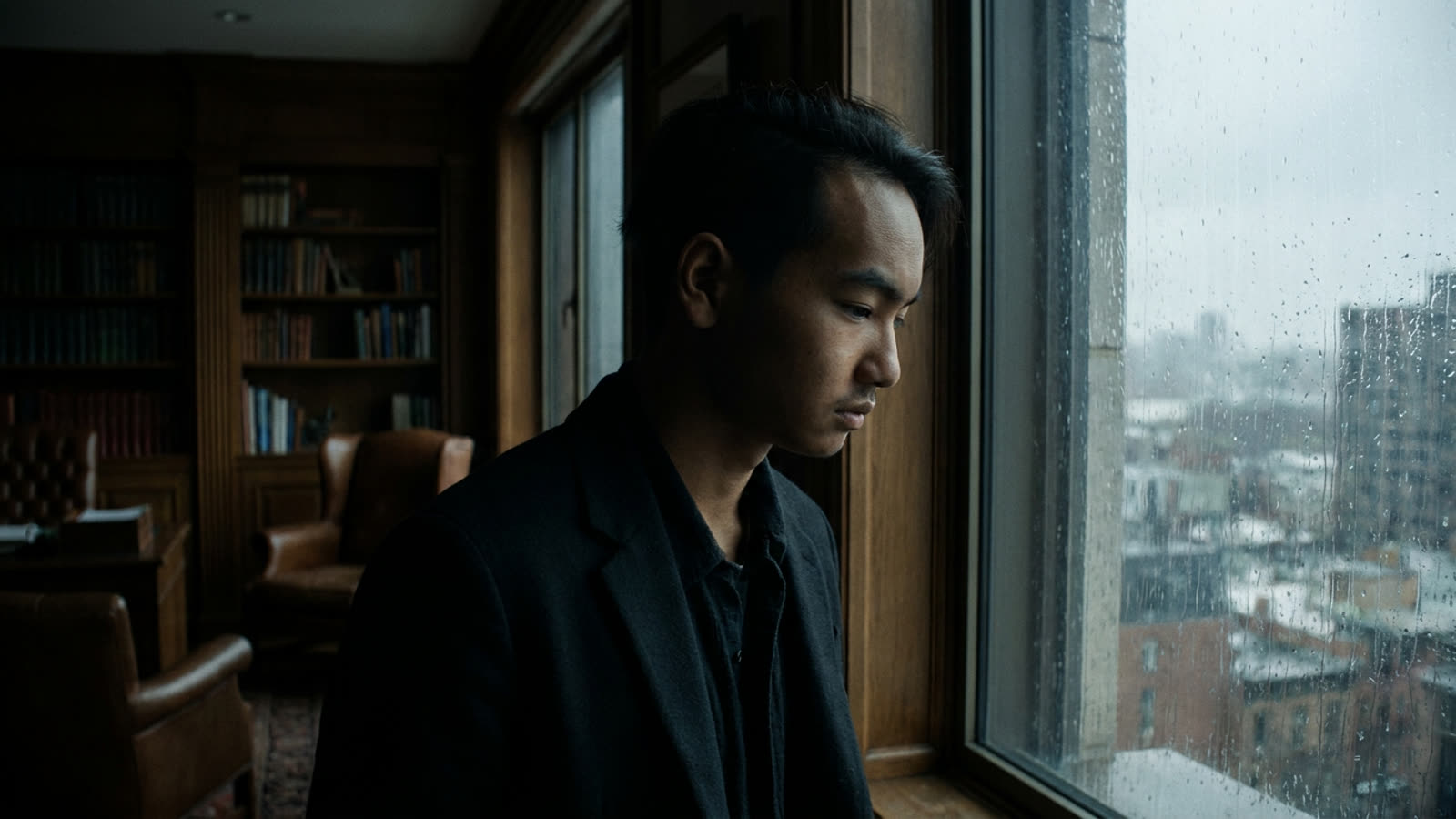
Matt Brown, the eldest of Billy and Ami Brown's seven children, has become the most visible symbol of the gap between the show's mythology and the messier truth underneath. His struggles with addiction, his departures from and returns to the series, and his ongoing public battles have played out in tabloid headlines for years. The family's patriarch, Billy Brown, died in February 2021, but the show continued, and so did the family's peculiar celebrity.
The reality behind the reality
The Browns were never actually living full-time in the bush. Court records from prior to the show's 2014 premiere revealed the family had been receiving Alaska Permanent Fund dividends by claiming residency while actually living in other states. Billy Brown pleaded guilty to fraud charges in 2016, receiving a suspended sentence. None of this derailed the show, which Discovery continued to produce through multiple format changes and location shifts, eventually relocating the family to a Washington state ranch after Ami Brown's cancer diagnosis.
What the audience was buying wasn't authenticity — it was the idea of authenticity, the fantasy of a simpler life that could be consumed in hour-long increments between commercial breaks. The Browns understood this transaction, even if they couldn't always control its terms.
When the camera stops
Matt Brown's trajectory since stepping back from regular filming has been difficult. Multiple stints in rehabilitation, public statements about his recovery, and the complicated dynamics of being the eldest son in a family whose livelihood depends on maintaining a certain image have all contributed to a story that resists the tidy narrative arcs reality television prefers. His siblings have continued with the show in various capacities, some more enthusiastically than others.
The broader question the Browns raise is whether reality television's subjects can ever truly exit the frame. The genre creates a peculiar kind of celebrity — intimate enough that audiences feel they know these people, distant enough that they remain characters rather than fully human. The Browns have been performing "the Browns" for over a decade now, and the performance has become inseparable from whoever they might have been without it.
Our take
The Alaskan Bush People phenomenon says more about its audience than its subjects. Americans have been romanticizing frontier self-sufficiency since before Frederick Jackson Turner declared the frontier closed in 1893. The Browns simply found a way to monetize that longing, and if the product was always somewhat synthetic, well, so is most of what we consume. Matt Brown's struggles are real, even if the show that made him famous was not. That dissonance is the most honest thing about the entire enterprise.