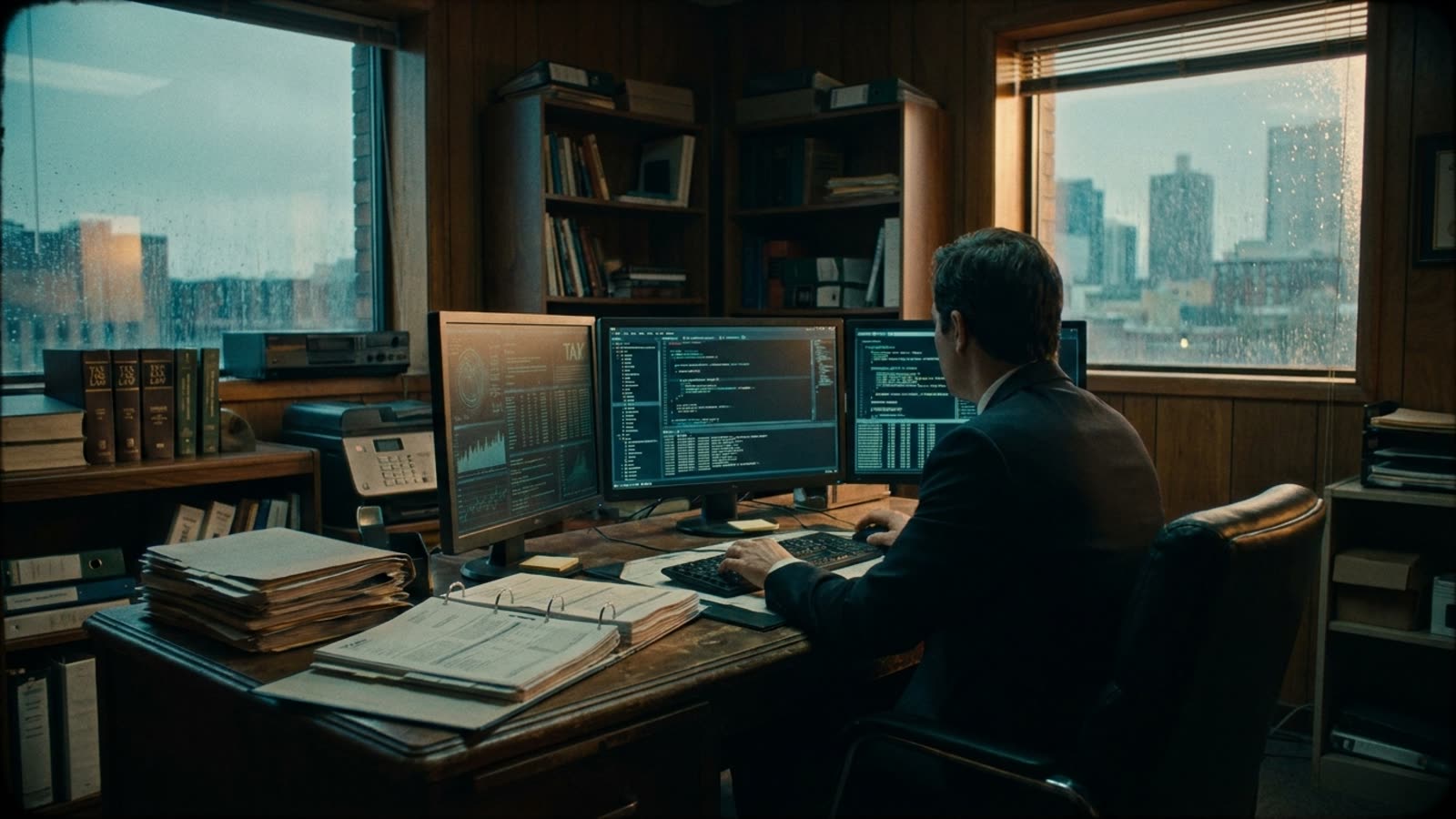
The transformation began not with a bang but with a spreadsheet. Sometime in the mid-2010s, tax professionals started noticing that software could categorize expenses faster than junior associates, that optical character recognition could extract data from crumpled receipts with surprising accuracy, and that pattern-matching algorithms could flag potential audit risks before a human eye had scanned the first page. What followed was not the apocalypse that automation prophets had promised but something more interesting: a wholesale reorganization of how tax work gets done, who does it, and what it costs.
The accounting profession has always been an early adopter of computational tools—double-entry bookkeeping was, in its time, a kind of technology. But the current wave of AI integration represents something qualitatively different. Machine learning systems can now process thousands of transactions, identify anomalies, apply relevant tax codes, and generate draft returns in the time it once took a team of associates to organize a single client's documentation.
The productivity paradox
Here is the uncomfortable arithmetic that managing partners at accounting firms have been quietly calculating: if AI tools can accomplish in two hours what previously required twenty, what happens to the billable hour? The traditional model—armies of junior staff performing routine tasks while partners provide strategic oversight—begins to look economically untenable. Some firms have responded by dramatically reducing entry-level hiring. Others have restructured their fee arrangements entirely, moving toward fixed-price engagements that reward efficiency rather than effort.
The implications cascade downward. Fewer entry-level positions means fewer opportunities for young accountants to learn the craft through apprenticeship. The profession risks creating a missing generation—experienced practitioners who understand both the technology and the underlying tax law are aging out, while their would-be successors never got the chance to develop intuition through repetition.
What machines still cannot do
For all the efficiency gains, AI systems remain stubbornly limited in ways that matter. Tax law is not merely a set of rules to be applied; it is a negotiated interpretation of legislative intent, regulatory guidance, and judicial precedent. When a client asks whether a particular transaction structure will survive IRS scrutiny, the answer depends on judgment calls that no algorithm can reliably make. The machines excel at processing the routine; they struggle with the genuinely ambiguous.
This creates a strange bifurcation in the profession. Commodity tax preparation—the straightforward returns for individuals and small businesses—has become radically cheaper and faster. But complex advisory work, the kind that involves navigating gray areas and anticipating regulatory responses, remains stubbornly human-dependent. The accountants who thrive are those who have figured out how to use AI for the former while preserving their value in the latter.
Our take
The accounting profession's AI transformation offers a preview of what awaits other knowledge industries: not mass unemployment but a fundamental repricing of different kinds of expertise. The routine becomes nearly free; the exceptional becomes more valuable than ever. Whether the profession can maintain a pipeline of talent capable of handling the exceptional—when the routine work that once served as training wheels has been automated away—remains an open question. The machines have arrived. The humans are still figuring out where they fit.