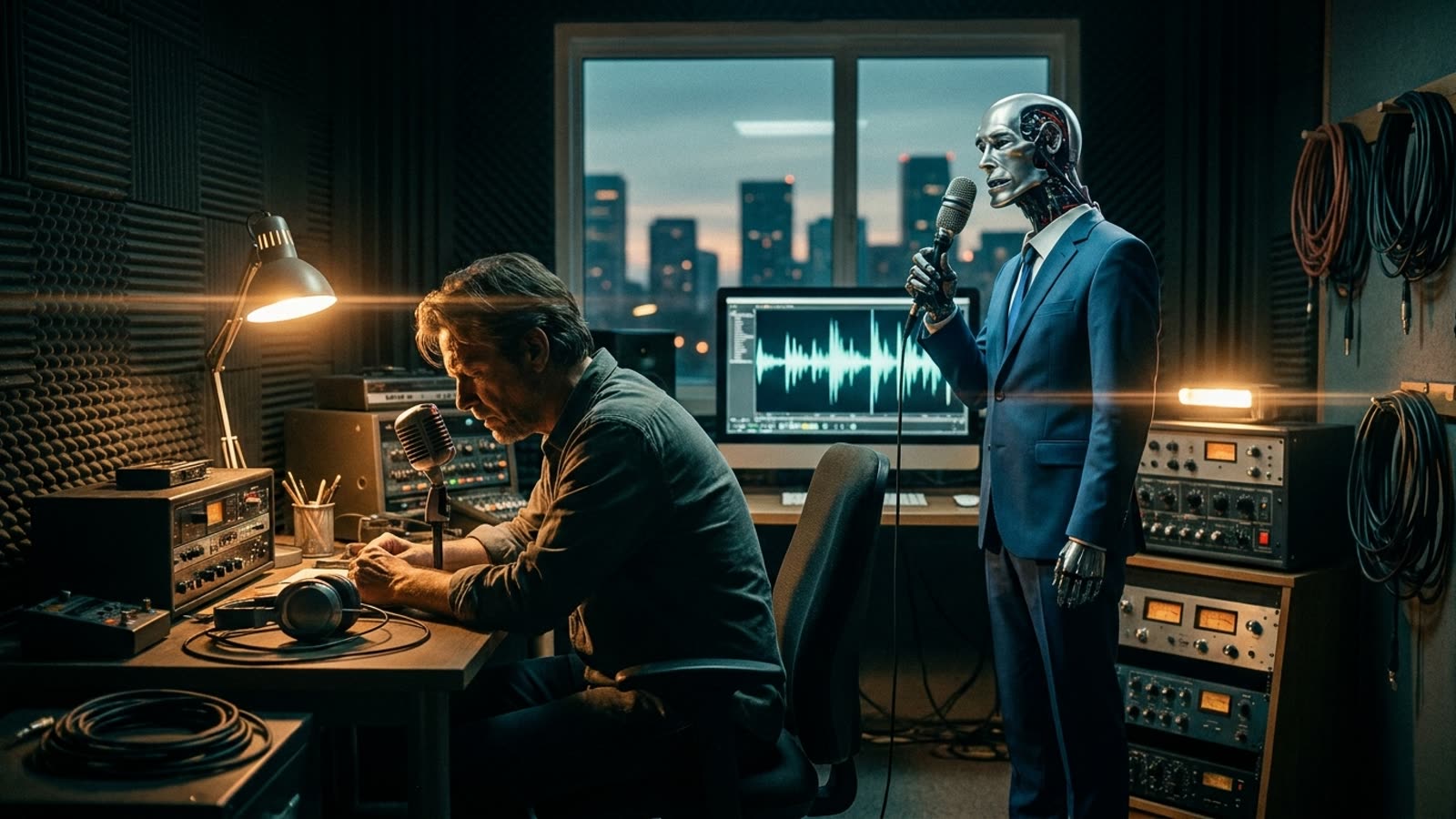
The stated goal of American AI export controls was to preserve a technological lead. The emerging reality is that they are seeding competitors.
Asian AI startups have begun releasing what they call "Mythos-class" large language models—systems that aim to match or exceed the capabilities of leading American frontier models. The trigger, according to multiple founders, was Anthropic's prolonged inability to serve certain Asian markets due to U.S. export restrictions. Rather than wait for Washington to sort out its licensing regime, well-funded labs in Seoul, Tokyo, and Singapore decided to build their own.
The accidental incubator
Export controls on advanced AI were designed with a specific adversary in mind: China. But the restrictions have proved blunt instruments. Anthropic's Claude, one of the most capable models available, has faced distribution constraints across parts of Asia that are nominally American allies or neutral parties. The company's own public statements—attempting to demonstrate its safety bona fides to regulators—may have inadvertently strengthened the case for treating its models as sensitive technology requiring export licenses.
The result is a market vacuum. South Korea's Naver, Japan's Preferred Networks, and Singapore's government-backed AI initiatives have all accelerated timelines for indigenous frontier models. Several startups, previously content to build applications on top of American APIs, have pivoted to training their own foundation models. Venture capital has followed: Asian AI funding in the first half of 2026 is tracking ahead of 2025's full-year total, according to industry estimates.
The capability question
Skeptics argue that building a frontier model is not the same as matching one. OpenAI and Anthropic have spent billions and accumulated years of institutional knowledge. But the gap may be narrower than it appears. Much of the core research is published. Compute is purchasable—Nvidia's export-restricted chips are unavailable, but alternatives from AMD and domestic Asian fabs are improving. And talent, the scarcest resource, is increasingly mobile. Several of the new Asian labs have hired researchers who previously worked at DeepMind, OpenAI, or Anthropic itself.
The Mythos-class models announced so far are not yet matching GPT-5 or Claude on standard benchmarks. But they are closing in on GPT-4-level performance, which was state-of-the-art barely two years ago. For most commercial applications, that is more than sufficient.
Our take
Export controls work best when the controlled technology is difficult to replicate and the controlling country has durable advantages. Neither condition holds cleanly for large language models. The science is open, the compute is commoditizing, and the talent market is global. Washington's restrictions may have bought American labs a few quarters of breathing room. They have also handed Asian competitors something more valuable: a compelling narrative about technological sovereignty and a clear commercial incentive to stop relying on American infrastructure. The next generation of global AI competition will not be American versus Chinese. It will be fragmented, regional, and far harder to control.