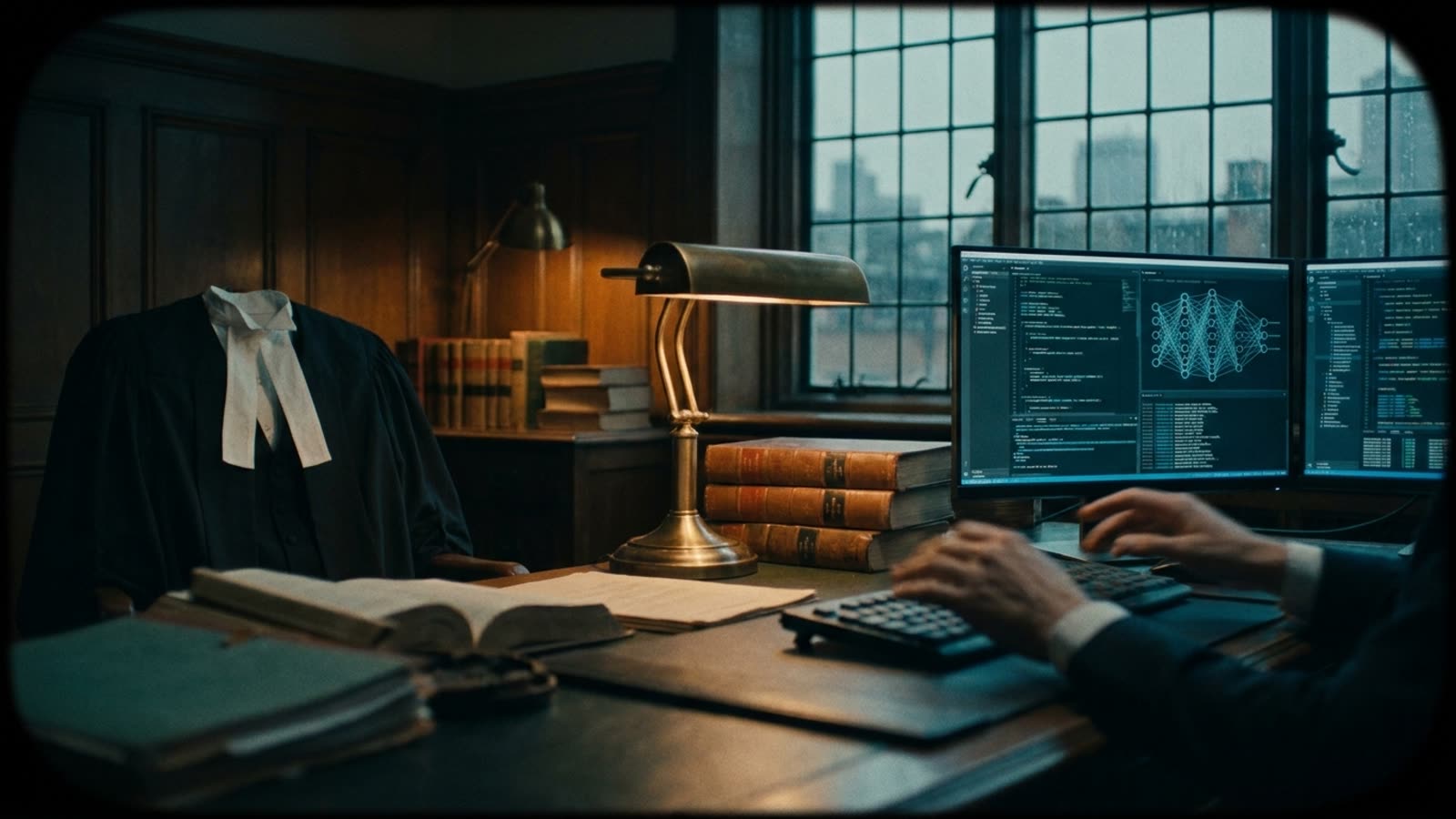
For more than a century, the insurance underwriter occupied a peculiar position in the economy: part statistician, part psychologist, part fortune-teller. They read applications, studied medical histories, assessed property photographs, and rendered verdicts on risk that determined whether someone could protect their home, their health, or their livelihood. The job required pattern recognition honed over decades, institutional memory that couldn't be codified, and the ineffable quality insurers called "underwriting judgment."
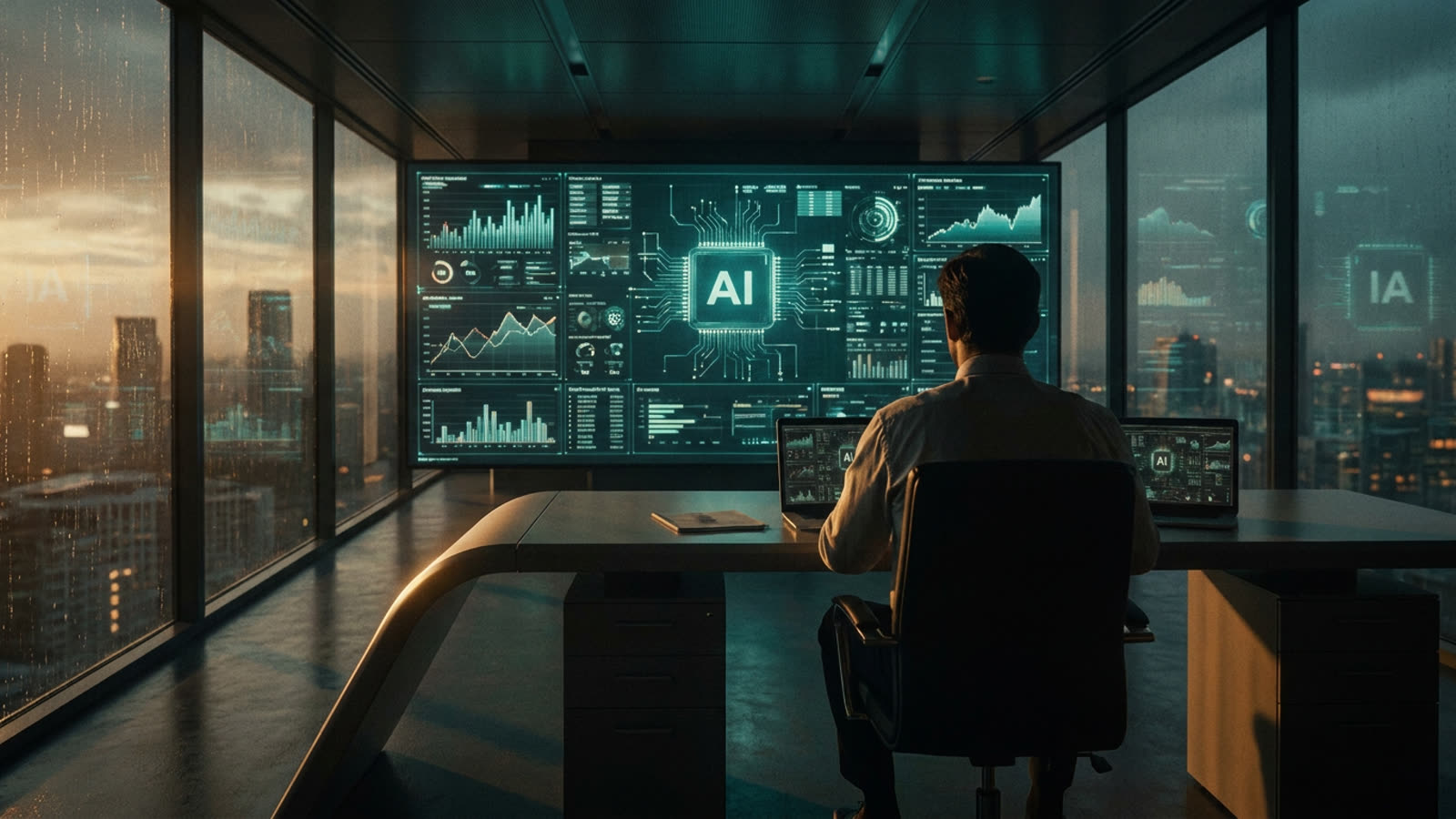
That judgment is now increasingly algorithmic. Machine learning models trained on millions of claims histories can spot correlations human underwriters never noticed—the relationship between certain prescription patterns and future disability claims, or the way satellite imagery of a roof predicts storm damage better than any inspection report. The underwriter hasn't disappeared, but their role has fundamentally shifted from decision-maker to decision-reviewer.
The quiet automation
Unlike manufacturing or retail, insurance underwriting never had its dramatic automation moment—no factory closures, no viral videos of robots replacing workers. The transformation happened gradually, claim by claim, policy by policy. First came automated approvals for simple cases: young drivers with clean records, homeowners in low-risk zones, term life policies for healthy applicants. Human underwriters handled the exceptions.
Then the exception pool started shrinking. Models improved. What once required judgment became what merely required verification. The underwriter's inbox filled with cases the algorithm had already decided, flagged only for regulatory compliance or edge-case review. A profession that once demanded deep expertise in mortality tables and loss ratios increasingly demands expertise in understanding why the model reached a particular conclusion—and whether to override it.
The judgment question
This shift raises uncomfortable questions about what underwriting judgment actually was. If algorithms can replicate it, perhaps it was always pattern recognition dressed up in professional mystique. But underwriters push back on this interpretation. They argue that their value lay not in the patterns themselves but in knowing when patterns failed—when the divorced father's life insurance application deserved approval despite the model's risk score, when the small business in a flood zone merited coverage because the owner had invested in mitigation the data couldn't capture.
The industry's response has been to reframe the underwriter as a "human-in-the-loop" safeguard against algorithmic error and bias. This sounds reassuring until you examine the dynamics. Underwriters reviewing dozens of algorithmic decisions per hour face enormous pressure to defer to the model. Overriding a machine that's usually right is psychologically difficult. Documenting why you overrode it is time-consuming. The incentives favor rubber-stamping.
What gets lost
The deeper concern isn't job displacement—underwriting employment has remained relatively stable even as automation advanced—but rather what happens to risk assessment when it becomes fully algorithmic. Models optimize for the variables they're trained on, which means they excel at predicting claims based on historical patterns. They struggle with novel risks, emerging threats, and the kind of structural shifts that make historical data misleading.
Climate change offers the starkest example. Flood maps based on decades of data are increasingly useless as weather patterns shift. Wildfire risk models trained on historical burn patterns failed to anticipate the new reality of year-round fire seasons. Human underwriters, reading news reports and talking to local agents, might have noticed these shifts earlier. Algorithms noticed only when the claims data caught up—which is to say, too late.
Our take
The transformation of underwriting reveals something important about AI's impact on professional work more broadly. The technology doesn't simply replace humans or leave them untouched; it reshapes the nature of expertise itself. The underwriter of the future will need to understand machine learning well enough to know when to trust it and when to override it—a skill set that barely existed a generation ago. Whether this represents progress or loss depends on what you think underwriting judgment was worth in the first place. The industry has made its bet. The claims data will eventually tell us whether it was right.