The average community pharmacist checks roughly 150 prescriptions per day, each one a small exercise in pattern recognition: does this dose make sense for this patient's weight, does this drug interact with their existing medications, does this prescription look legitimate or forged? For decades, this cognitive load fell entirely on human shoulders. Now, increasingly, it does not.
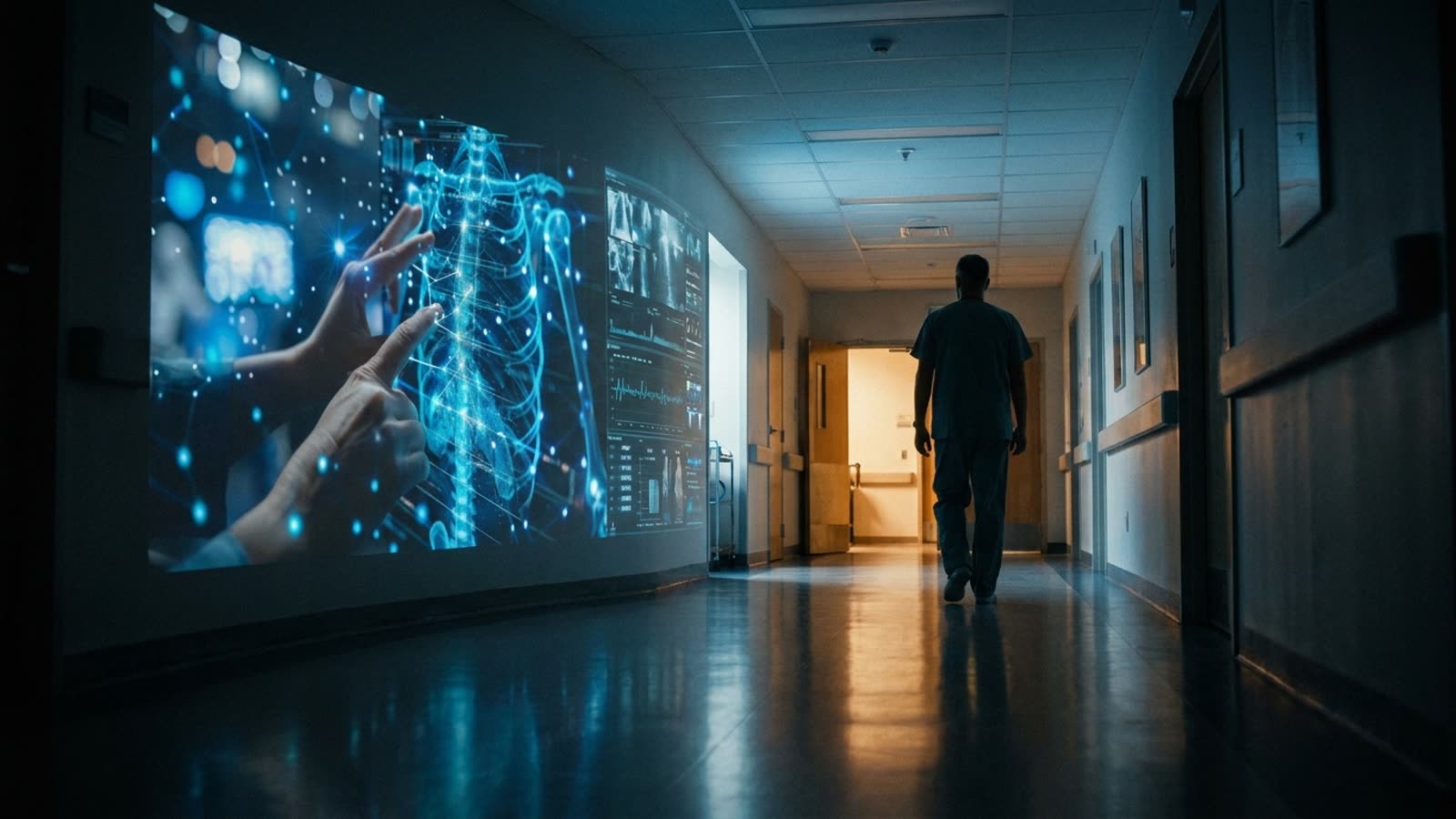
Artificial intelligence has infiltrated pharmacy practice with remarkably little fanfare. Unlike the breathless coverage of AI in radiology or surgery, the algorithmic transformation of pharmaceutical care has proceeded quietly, embedded in the software systems pharmacists already use. The result is a profession being reshaped from within, often without the practitioners themselves fully grasping the extent of the change.
The invisible layer
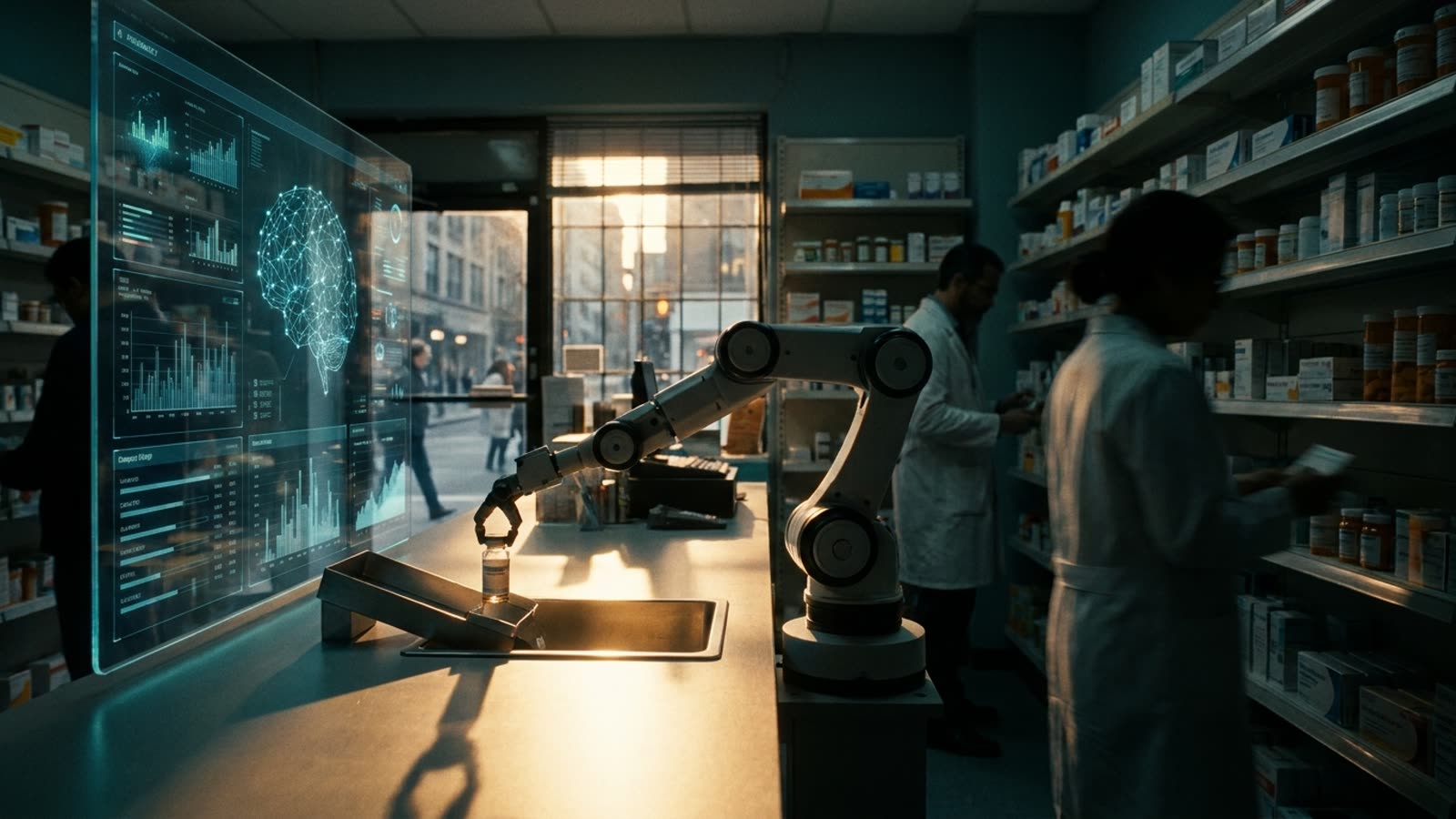
Modern pharmacy management systems now routinely incorporate machine learning models that flag potential drug interactions, identify dosing anomalies, and detect prescription fraud patterns. These systems analyze not just the prescription in hand but the patient's entire medication history, insurance claims, and in some cases, data from electronic health records. The pharmacist still makes the final call, but the cognitive work has been substantially pre-processed.
The implications are profound. A seasoned pharmacist's expertise—built over years of memorizing contraindications and developing intuition for suspicious prescriptions—can now be approximated, in narrow domains, by software trained on millions of historical cases. This does not make the pharmacist obsolete; it changes what the pharmacist is for.
The new job description
Pharmacists increasingly find themselves in a supervisory role, reviewing AI-generated alerts rather than conducting primary analysis. The skill set shifts from encyclopedic drug knowledge toward alert fatigue management, system interpretation, and patient communication. When the algorithm flags a potential interaction, the pharmacist must decide whether the alert represents genuine danger or statistical noise—a judgment call that requires understanding both pharmacology and the limitations of the model generating the warning.
This transition mirrors what has happened in other professions touched by automation: the human becomes the quality control layer, the exception handler, the explainer-in-chief. The routine work accelerates; the edge cases become the job.
What patients should understand
For consumers, the AI-assisted pharmacy raises questions few think to ask. When your pharmacist catches a dangerous interaction, was it human vigilance or algorithmic flagging? Does it matter? The honest answer is that it probably does not, provided the system works. But understanding that this layer exists might change how patients think about pharmaceutical care—less as artisanal expertise, more as human-machine collaboration with the human providing judgment and accountability.
Our take
The quiet AI transformation of pharmacy offers a useful corrective to the hype cycles that dominate coverage of artificial intelligence in healthcare. Not every change arrives with a press release and a venture capital round. Some of the most consequential shifts happen incrementally, embedded in software updates and workflow redesigns, noticed only by the professionals whose daily experience slowly, irreversibly changes. The pharmacist checking your prescription today is almost certainly working with AI assistance. The interesting question is not whether this is good or bad—it is both—but whether we are paying sufficient attention to professions being reshaped in plain sight.