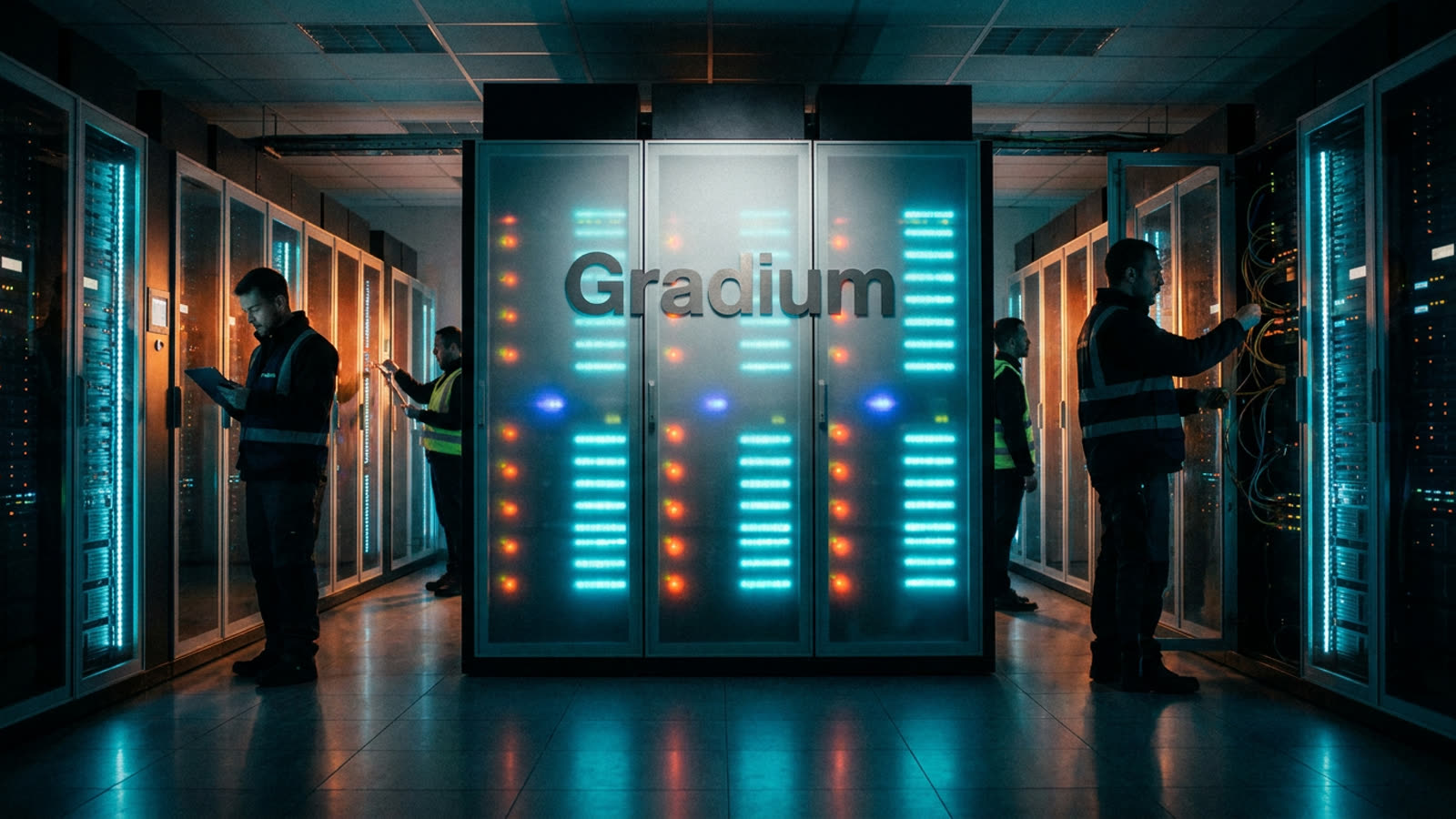
The most advanced AI models consume electricity on a scale that would have seemed absurd a decade ago. Training GPT-3 in 2020 required roughly 1,300 megawatt-hours—enough to power more than a hundred American homes for a year. GPT-4, released three years later, is estimated to have required ten to twenty times that figure. The largest models being trained today likely exceed 50,000 megawatt-hours per run, approaching the annual electricity consumption of a nation like Belize or Bhutan. This is not a metaphor. It is a direct comparison of national energy budgets to the power draw of a single training run lasting weeks or months.
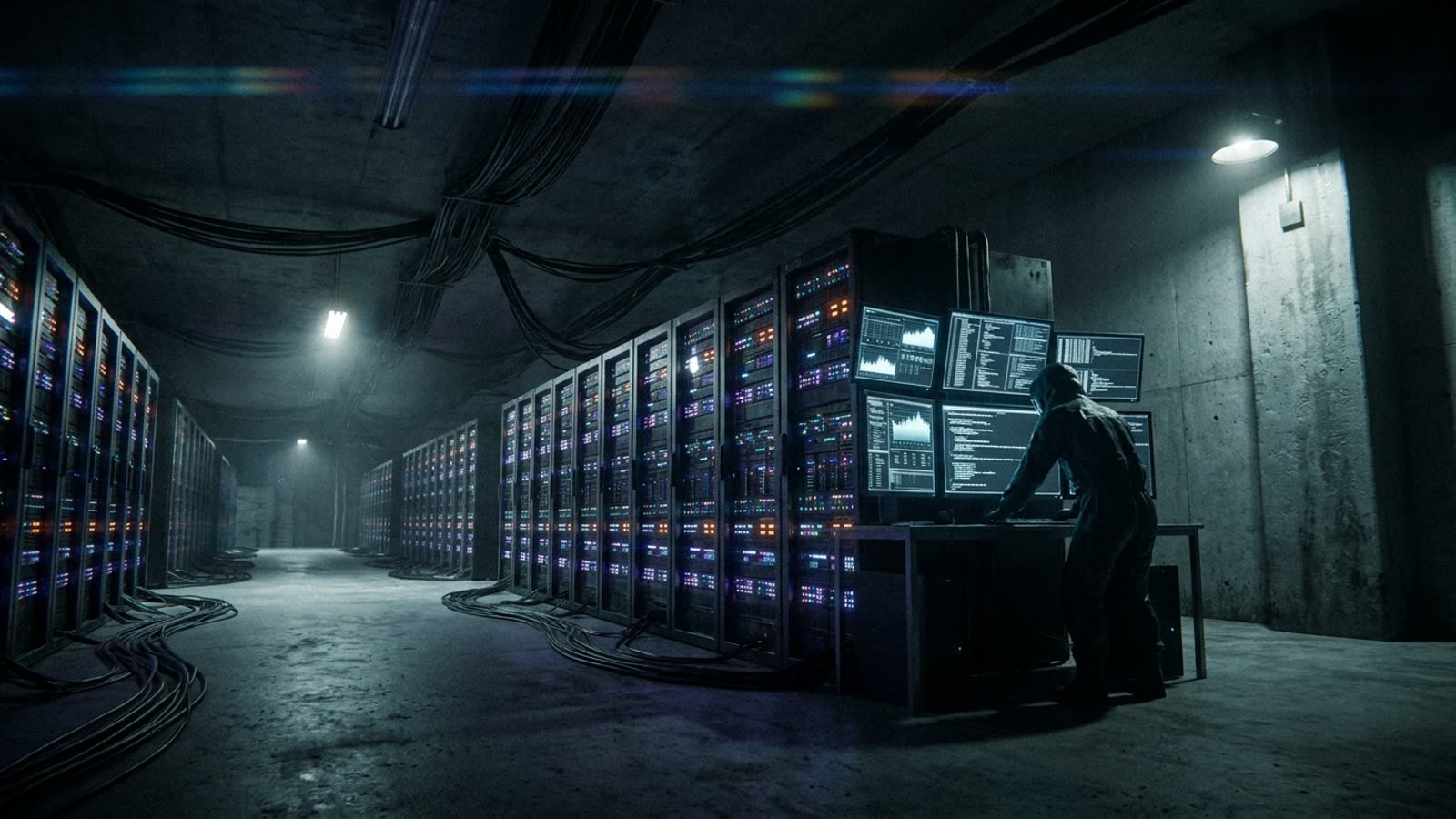
The trajectory is clear and alarming. Compute requirements for state-of-the-art models have been doubling roughly every six months since 2012, a pace far faster than Moore's Law. Energy consumption has tracked this curve closely, because while chip efficiency improves, the sheer volume of computation overwhelms those gains. A single H100 GPU, the workhorse of modern AI training, draws 700 watts under full load. A training cluster might contain tens of thousands of them, plus networking, cooling, and supporting infrastructure. The result is a data center that rivals an aluminum smelter in power demand.
The infrastructure bottleneck
Data centers are already straining electrical grids in key AI hubs. Northern Virginia, home to the world's largest concentration of data centers, accounts for more than a tenth of all data-center power consumption in the United States. Utilities in the region have warned that demand growth is outpacing their ability to build new generation and transmission capacity. Similar warnings have emerged in Ireland, Singapore, and parts of the American Southwest. Some proposed AI data centers have been delayed or relocated because local grids simply cannot supply the power.
The problem is not just capacity but timing. Training runs are not steady-state loads; they spike and sustain for weeks. Grid operators prefer predictable, stable demand. AI labs prefer to run training as soon as new compute is available, which means turning on tens of megawatts of load with little notice. The mismatch creates tension between AI companies, who see delay as competitive disadvantage, and utilities, who see it as grid instability.
The carbon ledger
Energy consumption translates directly into carbon emissions unless the power source is clean. Most AI training happens in regions where the grid mix includes natural gas or coal. A single large training run can emit thousands of tons of carbon dioxide, equivalent to hundreds of transatlantic flights. As model training scales, so does the carbon footprint, at a moment when the tech industry has made loud commitments to net-zero emissions.
Some labs have responded by purchasing renewable energy credits or locating data centers near hydroelectric or nuclear plants. But renewable energy is not always available when training demand spikes, and the grid does not care about accounting fictions. If a data center draws power at night in a region with no solar generation, it is burning fossil fuels, regardless of what renewable credits were purchased during the day. The physics are unforgiving.
The economic ceiling
Electricity is now one of the largest line items in the cost of training a frontier model, alongside chip depreciation and engineering talent. At industrial rates, 50,000 megawatt-hours costs several million dollars. For the very largest training runs rumored to be in progress or planning, the electricity bill alone could approach or exceed ten million dollars. Add in the capital cost of the data center, the chips, and the operational overhead, and a single training run can exceed a hundred million dollars in total cost.
This creates a natural ceiling. Only a handful of organizations can afford to train models at this scale, and even they must justify the expense against expected revenue or strategic value. The economics favor incumbents with deep pockets and access to cheap power, and they disfavor smaller labs, academic researchers, and startups. The result is increasing centralization of AI capability in a few large companies, most of them American or Chinese.
Our take
The energy cost of AI is not a distant problem or a theoretical externality. It is a present constraint on how fast the technology can advance and who gets to advance it. The industry likes to talk about algorithmic efficiency and hardware improvements, and those matter, but they are not keeping pace with the appetite for scale. At some point, the grid says no, the carbon budget says no, or the CFO says no. We are approaching that point faster than most people realize, and the collision will reshape which models get built, where they get built, and who builds them. The age of cheap, abundant compute is ending. The age of rationed, expensive compute is beginning.