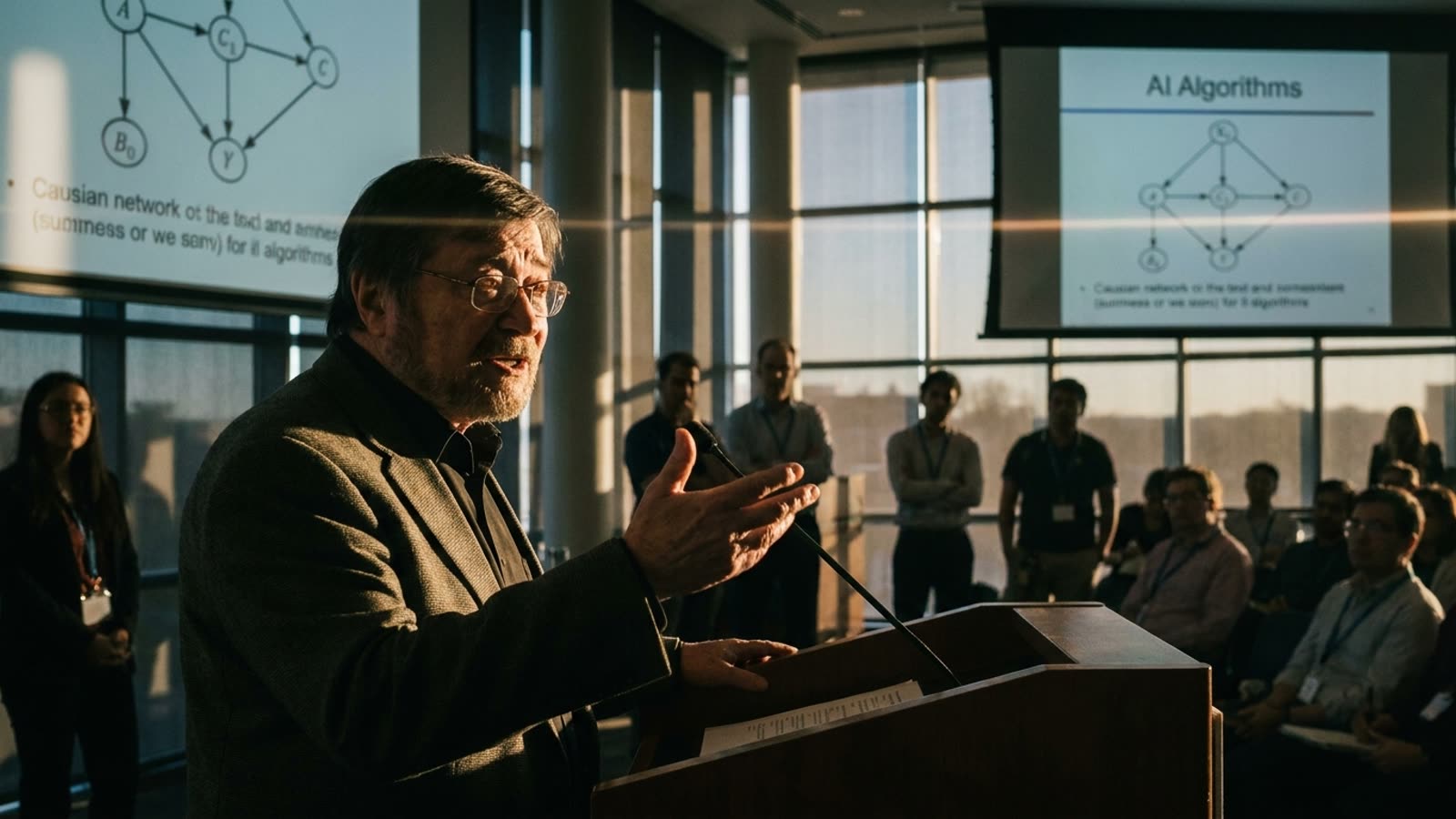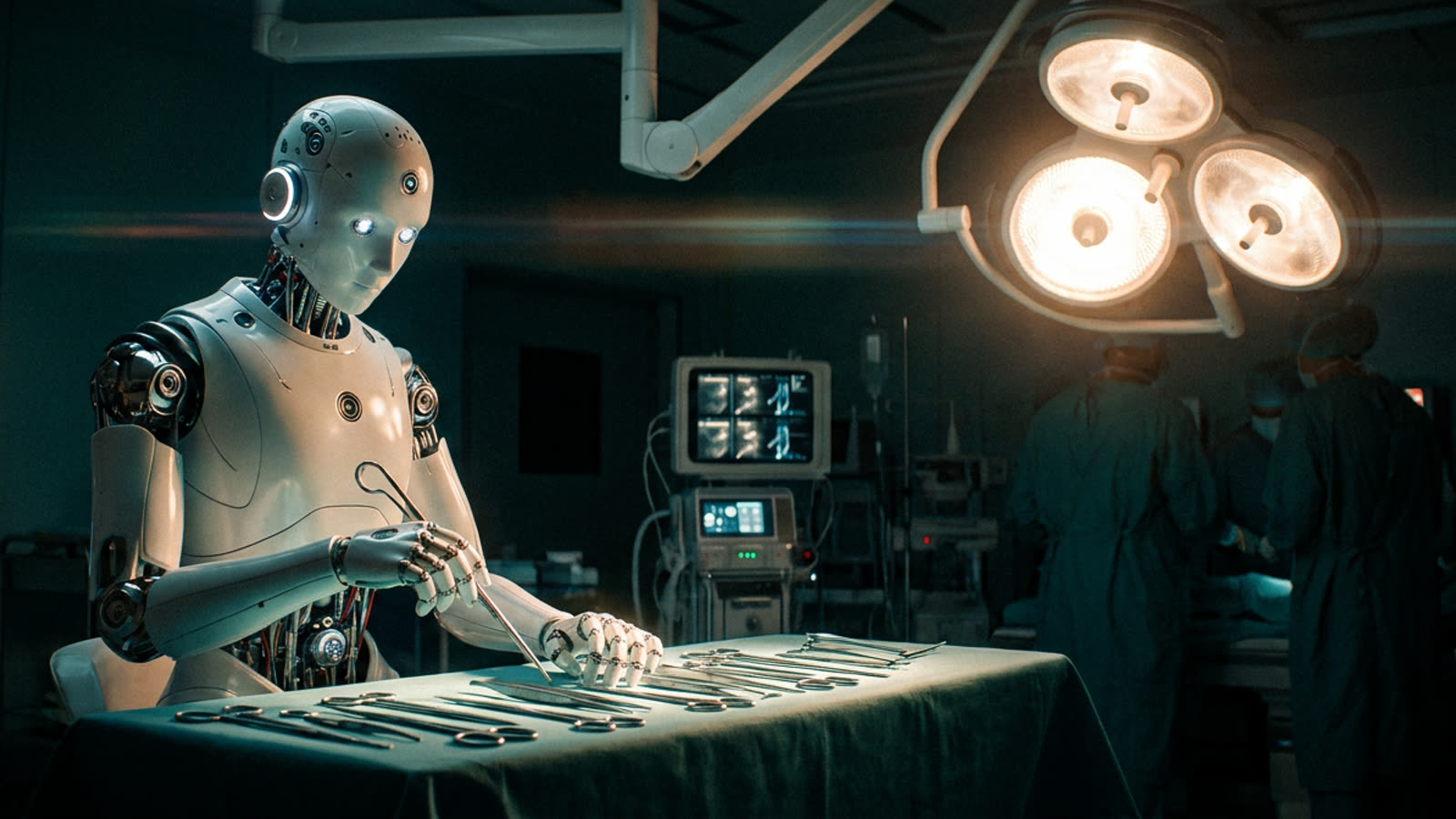
The future of surgery arrived this week looking less like a sleek da Vinci arm and more like a science-fiction film extra. A team of surgeons successfully performed the world's first humanoid-robot-assisted operation on live pigs, controlling bipedal machines remotely to execute precise surgical maneuvers. The demonstration marks a peculiar but potentially significant inflection point: rather than refining the specialized robotic arms that have dominated minimally invasive surgery for two decades, researchers are now exploring whether general-purpose humanoid platforms can bring new capabilities—and new economics—to the operating theater.
Why humanoids, why now
The logic is counterintuitive at first glance. Surgical robots like Intuitive Surgical's da Vinci system are purpose-built marvels, their tremor-filtered arms capable of movements no human hand can replicate. Why swap them for a humanoid form factor designed to walk, climb stairs, and eventually fold laundry?
The answer lies in versatility and cost curves. Humanoid robots are attracting billions in venture capital because they promise a single platform adaptable to countless tasks—warehouse logistics, home care, manufacturing. If that same chassis can be trained for surgical applications, hospitals might eventually acquire multi-purpose machines rather than single-function instruments that cost millions and sit idle between procedures. The pig demonstration was a proof of concept: surgeons donned haptic-feedback controllers and guided the humanoid's arms through tissue manipulation and suturing, with latency low enough to feel nearly real-time.
The technical hurdles ahead
Nearly real-time is not the same as real-time, and the gap matters when a scalpel is involved. Current humanoid platforms lack the sub-millimeter precision of dedicated surgical arms, and their force feedback remains crude compared to systems refined over twenty years of clinical use. Sterilization protocols for a walking robot that might have traversed a hospital corridor present regulatory headaches that bolted-down arms never faced.
Yet the trajectory is clear. Foundation models for robotics are improving rapidly, and the same AI advances enabling humanoids to learn manipulation tasks in simulation could accelerate surgical training. If a humanoid can learn to fold a shirt from video demonstrations, the reasoning goes, it can learn to tie a surgical knot—given enough data and sufficiently careful oversight.
Our take
This is a stunt with substance. No hospital will replace its da Vinci fleet with walking robots next year, or the year after. But the demonstration signals that the humanoid-robotics gold rush is beginning to spill into domains previously reserved for bespoke engineering. Surgery is medicine's most technically demanding arena; if humanoids can even approach competence there, the implications for less exacting fields—rehabilitation, elder care, routine diagnostics—become considerably more plausible. The pigs survived. The real test is whether the regulatory and clinical establishments will let the experiment continue.