The dead are speaking again, and they have tactical advice.
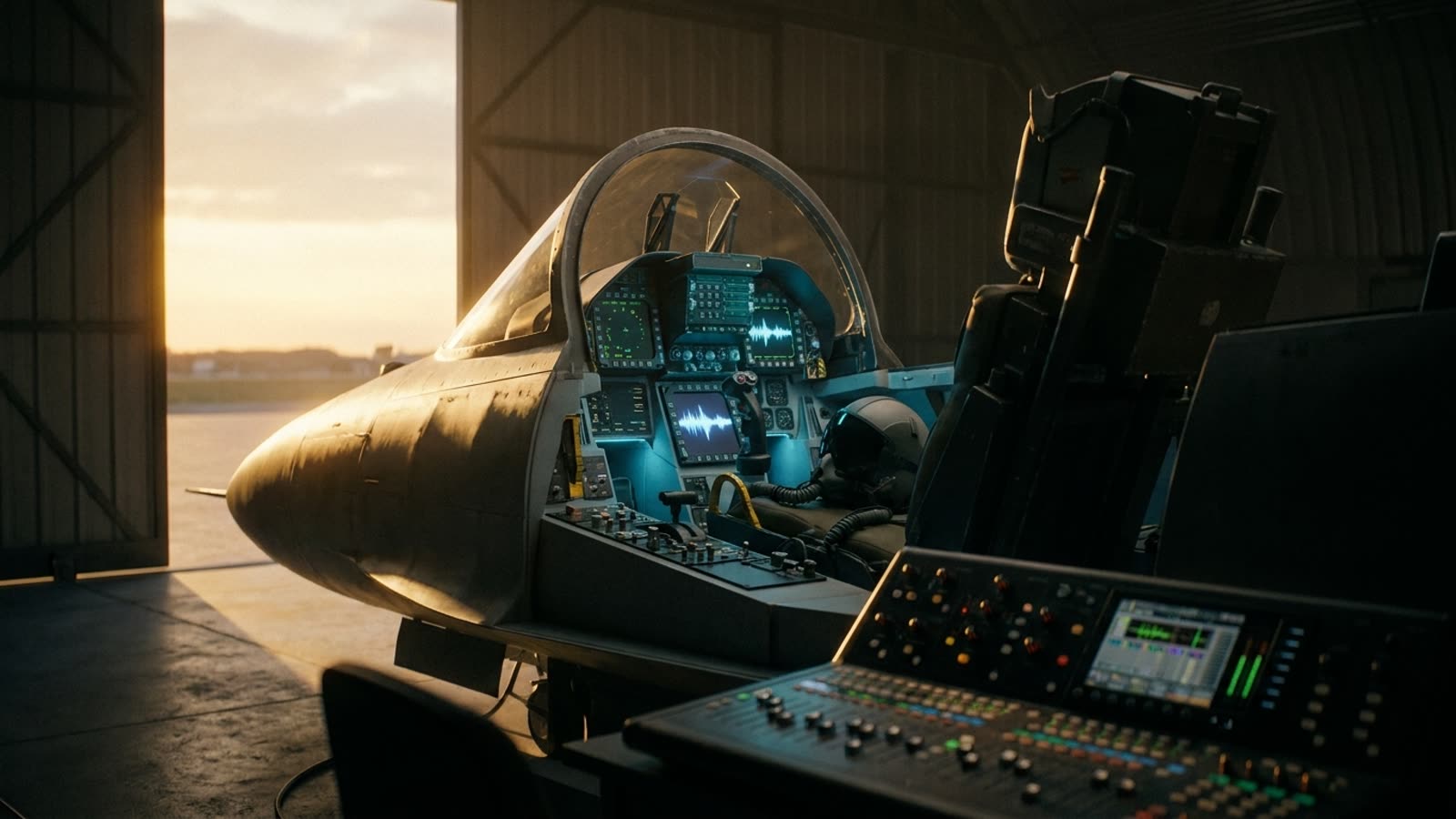
A defense technology initiative is using artificial intelligence to reconstruct the voices of deceased military pilots, creating synthetic speech that can be deployed in flight simulators and training scenarios. The premise is grimly practical: experienced combat aviators accumulate irreplaceable knowledge over careers spanning decades, and when they die—whether in service or long after retirement—that institutional memory vanishes. Voice cloning, the thinking goes, can preserve it.
The technology itself is no longer exotic. Consumer-grade voice synthesis has advanced to the point where a few minutes of audio can generate convincing facsimiles of anyone's speech patterns. What makes this application distinctive is its institutional backing, its military context, and its willingness to cross a threshold that civilian applications have largely avoided: using AI to make the dead appear to speak new words they never uttered.
The training rationale
The military's interest is straightforward. Flight training has always relied on accumulated wisdom passed between generations of pilots—the hard-won lessons about what works under fire and what gets you killed. Traditionally this knowledge transfer happened through mentorship, debriefs, and the slow accretion of doctrine. But experienced pilots are expensive to keep on training duty, and dead ones are unavailable entirely.
Synthetic voices offer a workaround. A trainee in a simulator could theoretically hear coaching from a legendary aviator who died before they were born, offering guidance calibrated to specific scenarios. The AI wouldn't be the pilot, obviously, but it would sound like them, drawing on their recorded interviews, mission debriefs, and any other audio archives available.
Proponents argue this is merely an extension of existing practices. We already study the tactics of dead commanders, read their memoirs, watch their interviews. Why not let them "speak" directly?
The consent problem
The obvious objection is that dead people cannot consent to having words put in their mouths. This is not a new ethical dilemma—it has haunted every posthumous biography, every historical dramatization, every documentary that imagines what a subject might have said. But voice synthesis makes the violation feel more visceral. There is something categorically different about hearing a dead person's voice say things they never said, even if the content is anodyne.
The military context compounds the discomfort. These voices would be deployed in training for lethal operations. A deceased pilot's synthesized advice might inform decisions that lead to enemy deaths—or friendly ones. The original speaker has no ability to update their views, correct errors, or withdraw participation.
Families of deceased service members have not been uniformly consulted, and the legal framework for posthumous voice rights remains underdeveloped. Copyright law protects recordings; it is less clear on synthetic reconstructions. Some states have publicity rights that extend beyond death, but military applications may claim exemptions.
Our take
This is not inherently monstrous, but it is inherently weird, and the military's enthusiasm for weird AI applications has historically outpaced its ethical deliberation. The question is not whether voice cloning technology exists—it does, and it will be used. The question is whether institutions deploying it will develop norms around consent, transparency, and the boundaries of acceptable use before the uncanny valley becomes standard operating procedure. The dead cannot object, which is precisely why the living should.