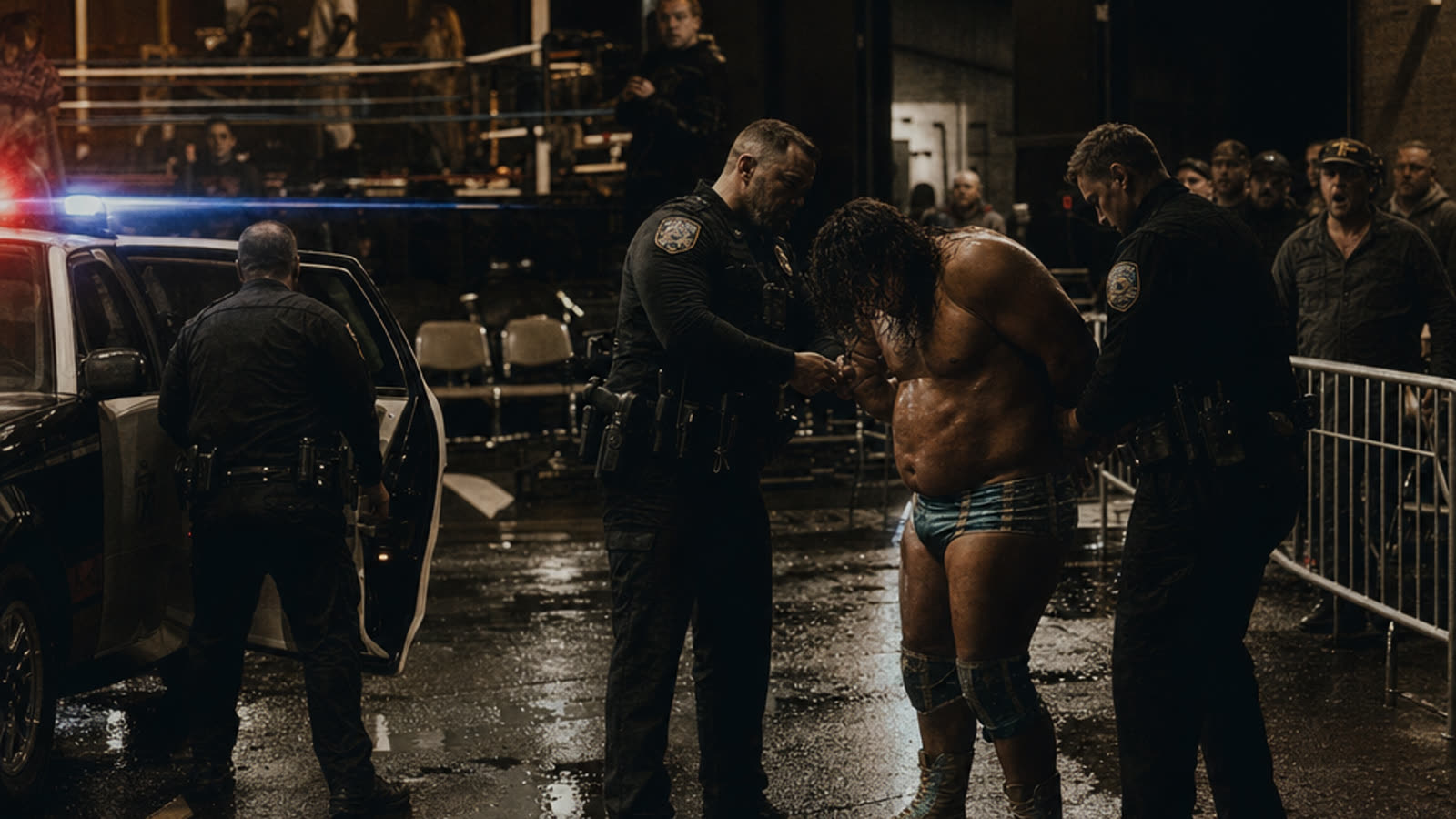
Professional wrestling has always sold danger as entertainment, but the line between choreographed violence and actual harm has never been more starkly drawn than in the arrest of a wrestler now facing manslaughter charges after a referee died from a piledriver during a match.
The move—in which a performer is flipped upside down and driven headfirst into the mat—has been banned or heavily restricted by major promotions for decades precisely because of its potential to cause catastrophic neck injuries. The WWE outlawed it for most performers years ago. That a referee, not a trained wrestler, was on the receiving end makes the outcome both more tragic and more legally complicated.
The Piledriver's Dark History
The move has a body count. Stone Cold Steve Austin's career was nearly ended by a botched piledriver from Owen Hart in 1997, leaving him with spinal stenosis. Droz was paralyzed from the chest down in 1999 after a different move went wrong. The difference here is that the victim was an official—someone whose job involves proximity to the action but not the years of training that teach performers how to protect themselves and their opponents.
Wrestling operates in a legal gray zone. Participants consent to simulated combat, but that consent has limits. A referee agrees to take incidental contact, perhaps a bump or a shove for dramatic effect. Being driven headfirst into the canvas is categorically different. Prosecutors will likely argue that no reasonable person in the referee's position could have consented to a move with such obvious lethal potential.
What This Means for the Industry
Independent wrestling circuits, where this incident reportedly occurred, operate with far less oversight than WWE or AEW. There are no universal safety standards, no mandatory training certifications, no consistent medical personnel requirements. A performer with poor judgment or inadequate training can book themselves into shows with minimal vetting.
The major promotions will distance themselves from this incident, and fairly so—their safety protocols exist precisely to prevent such outcomes. But the independent scene is where tomorrow's stars learn their craft, and its lack of regulation has now produced a corpse and a criminal defendant.
Our take
Wrestling has spent decades insisting it can police itself, that the boys in the back know the difference between working and shooting. This death suggests otherwise. The industry's resistance to external oversight—insurance mandates, standardized training, independent medical evaluation—looks less like libertarian principle and more like negligence in retrospect. A man is dead because someone decided a banned move was worth the pop. That's not entertainment; it's a failure of institutional responsibility that no amount of kayfabe can obscure.