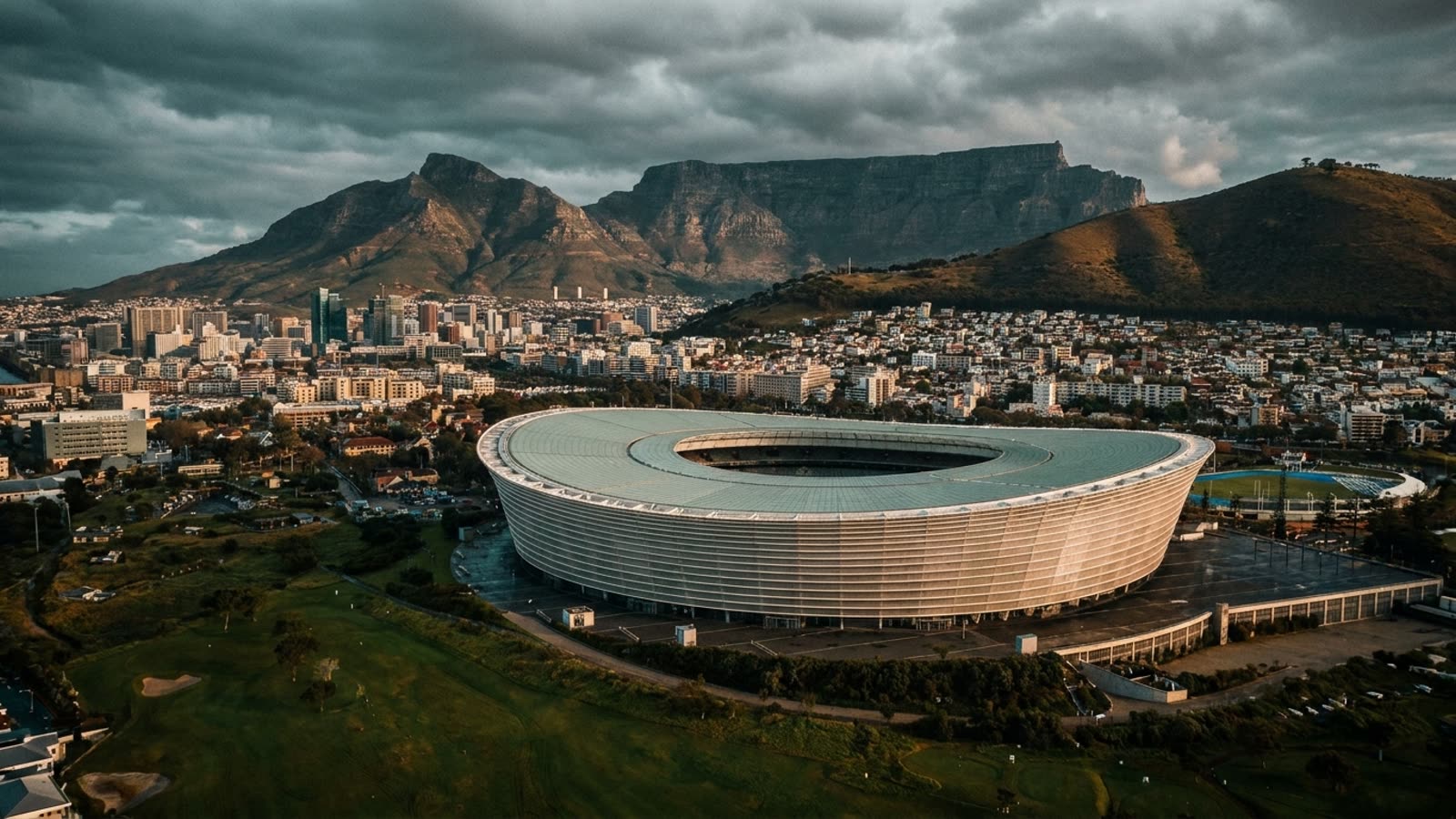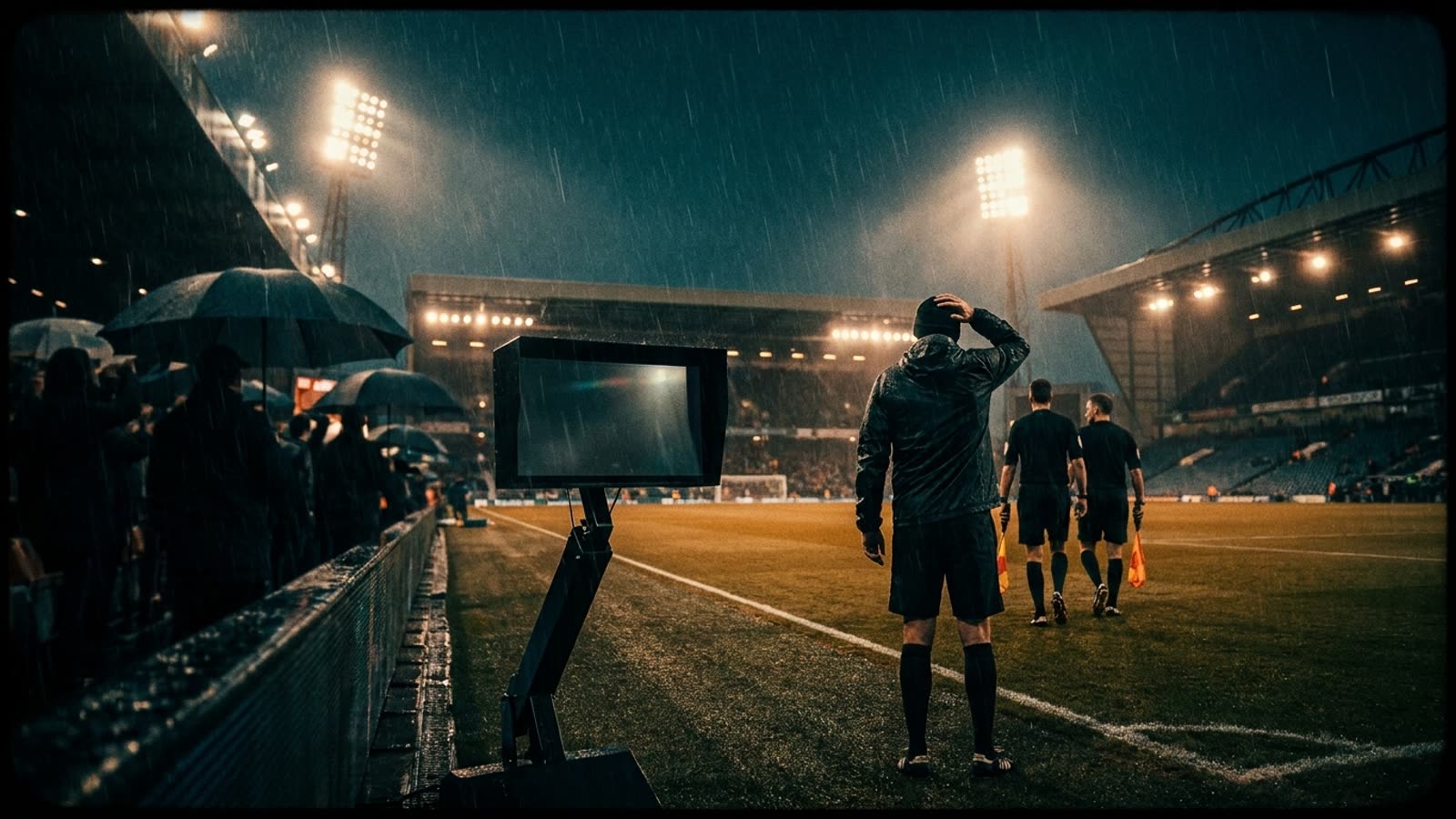
Canada survived South Africa with a late winner on home soil, but the match will be remembered less for the goal than for the penalty that never was—a VAR intervention that declined to intervene, leaving millions wondering what, exactly, the technology is for.
The incident arrived in the second half with the score level. A South African defender appeared to clip a Canadian attacker inside the box, the kind of contact that draws whistles in some matches and shrugs in others. The on-field referee waved play on. VAR, tasked with correcting "clear and obvious errors," concurred. No penalty. Canada had to find another way through, which they eventually did, but the non-call became the talking point—a fresh exhibit in football's ongoing trial of its own officiating apparatus.
The "clear and obvious" problem
VAR's mandate has always been philosophically muddled. The system was sold as a corrective for howlers—the missed handballs, the phantom offsides, the red-card offenses invisible to human eyes. What it has become, in practice, is a second layer of subjectivity. "Clear and obvious" is itself a judgment call, and different VAR officials reach different conclusions about what meets the threshold. The result is not consistency but a new species of inconsistency, one that unfolds in slow motion on giant screens while players stand around and supporters lose their minds.
In the Canada-South Africa case, the contact existed. Whether it was enough to warrant a penalty depends on which referee you ask, which league's norms you apply, and apparently which VAR official happens to be on duty. The technology showed the incident clearly; the interpretation remained murky.
Host-nation pressure and the officiating spotlight
Canada's status as co-host adds a volatile element. Any call that favors or disfavors the home side will be scrutinized for bias. South African supporters will see the non-penalty as evidence that Canada caught a break; Canadian supporters will argue their player was fouled and VAR failed. FIFA's referees are now operating under the weight of geopolitical optics as much as the Laws of the Game.
This is the World Cup's first knockout round, and already the officiating discourse threatens to overshadow the football itself. The tournament has expanded to 48 teams, meaning more matches, more marginal calls, and more opportunities for controversy. If the group stage was a warm-up, the knockout rounds will test whether VAR can handle the pressure—or whether it will buckle under the accumulated weight of disputed decisions.
Our take
VAR was supposed to eliminate arguments. Instead, it has given us better-quality arguments, conducted in high definition and frame-by-frame. The Canada-South Africa penalty shout was not a scandal; it was a judgment call that could have gone either way. But that is precisely the problem. Football introduced technology to remove ambiguity, and ambiguity has proven stubbornly resilient. The referees are not the issue. The expectation that machines could deliver certainty in a sport built on subjective interpretation—that was always the error.