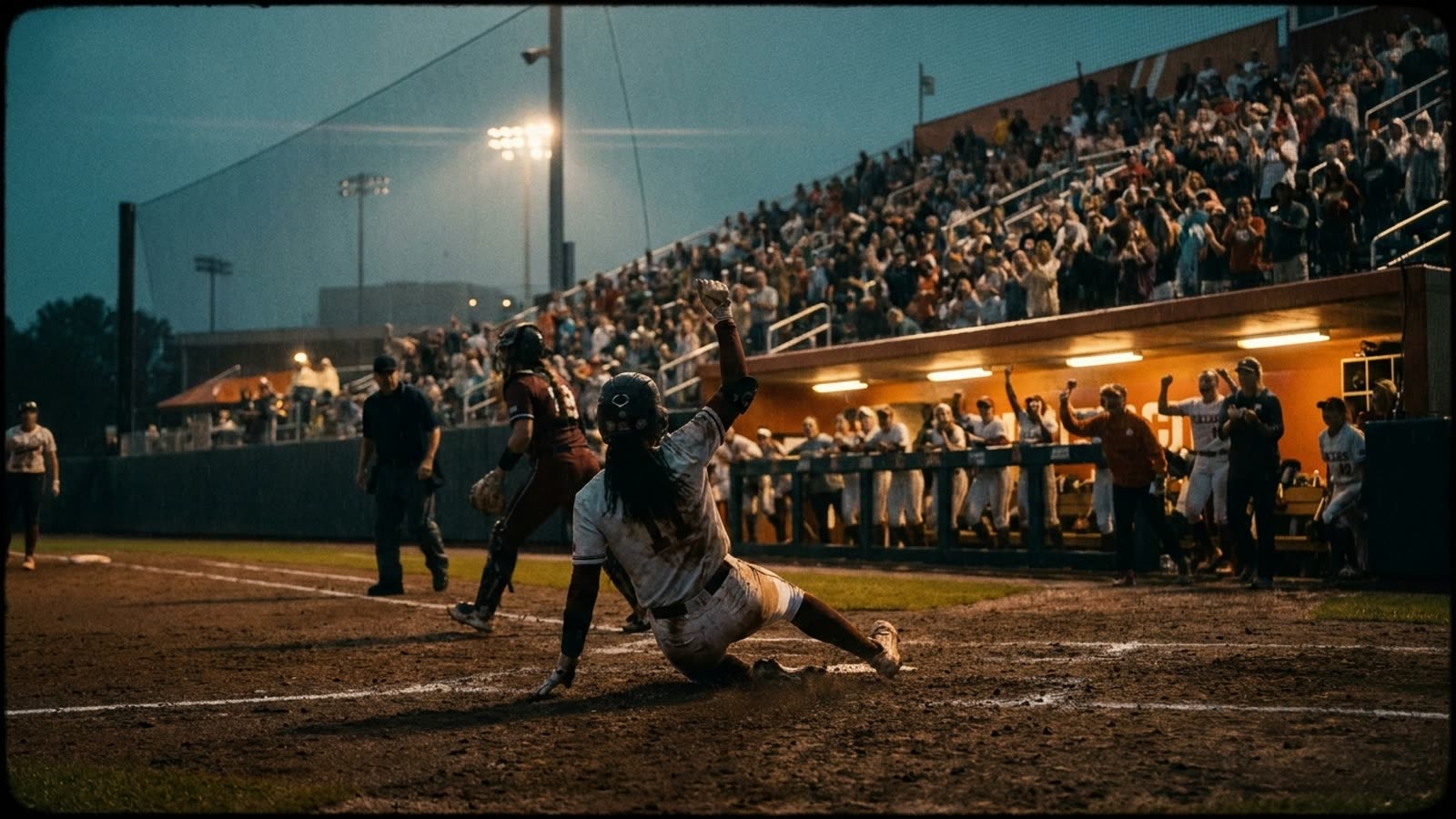
College athletics has become a transactional wasteland, a place where NIL deals and transfer portal chaos have turned rosters into mercenary squads and championships into auctions. The Women's College World Series, underway in Oklahoma City, stands as a refreshing counterargument—a tournament where dynasties are built through recruiting and development rather than purchased through bidding wars, and where the sport's best players actually stay long enough for fans to learn their names.
The eight-team field in OKC represents something increasingly rare in college sports: continuity. Programs like Oklahoma, which has dominated the event in recent years, and perennial contenders like UCLA, Florida, and Texas have built their success the old-fashioned way—identifying talent early, developing it over four years, and creating cultures that players don't want to leave. The result is a tournament with genuine storylines, recognizable stars, and stakes that feel earned rather than manufactured.
Why softball resists the chaos
The relative stability of college softball isn't accidental. The sport's economics don't support the kind of NIL arms race that has destabilized football and men's basketball. Without massive television contracts or booster collectives throwing around seven-figure deals, softball programs compete on coaching, facilities, and the quality of competition—factors that reward institutional investment over quick-fix spending. Players who enter the transfer portal find fewer golden parachutes waiting for them, which means the ones who stay tend to be genuinely committed to their programs.
This creates a viewing experience that college sports has largely abandoned elsewhere. When Oklahoma takes the field, fans know the roster. When a pitcher like those who've anchored recent Sooner dynasties takes the circle, she's been doing it for years, not months. The narrative depth that comes from watching players develop from freshmen into seniors—once the entire point of college athletics—still exists here.
The tournament's growing footprint
The WCWS has quietly become one of ESPN's most reliable properties. Attendance at USA Softball Hall of Fame Stadium has grown steadily, and television ratings have climbed as the sport's visibility has increased. The 2024 championship game drew millions of viewers, numbers that would have seemed impossible a decade ago. Youth participation in softball has surged, creating a pipeline of talent and future fans that ensures the sport's trajectory remains upward.
The tournament format itself—a double-elimination bracket followed by a best-of-three championship series—provides the kind of drama that single-elimination events can't match. Teams get second chances, which means the best teams usually survive, and championship matchups feel like genuine tests rather than fluky one-game outcomes.
Our take
The Women's College World Series is what college sports should be and increasingly isn't: a competition where program-building matters, where players represent their schools for multiple years, and where championships are won through development rather than transactions. While football and basketball devolve into professional leagues with amateur branding, softball remains stubbornly, refreshingly collegiate. Enjoy it while it lasts—or hope, perhaps naively, that the rest of college athletics eventually remembers what made it worth watching in the first place.