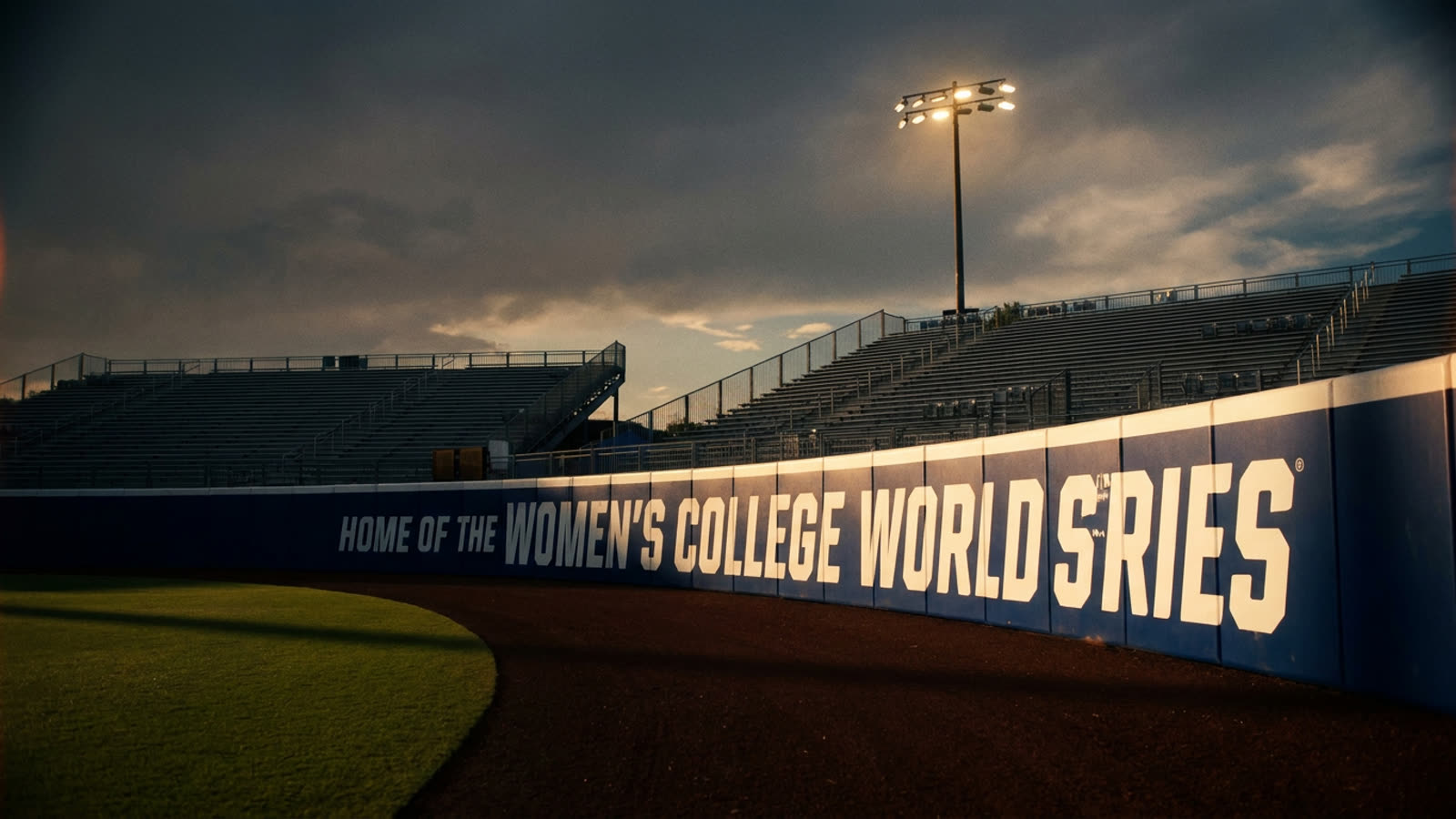
Oklahoma softball has transcended dominance into something closer to inevitability. The Sooners enter the 2026 Women's College World Series in their home state having won four straight national championships, a streak that has transformed college softball's showcase event into something resembling a formality with regional flair. But this year's field—perhaps the deepest in the tournament's history—suggests Patty Gasso's juggernaut may finally face opposition worthy of the drama.
The numbers behind Oklahoma's run defy rational analysis. Since 2023, the Sooners have lost a combined twelve games across four seasons while claiming four titles. They've outscored opponents by margins that would embarrass most video game simulations. The transfer portal has only strengthened their grip, as elite players increasingly view Norman as the only destination for those serious about winning championships.
The challengers emerge
Texas represents the most credible threat Oklahoma has faced since the dynasty's inception. The Longhorns, led by a pitching staff that has held opponents to a .198 batting average this postseason, possess the defensive depth to survive Oklahoma's relentless offensive pressure. Their path through the Austin regional demonstrated a team peaking at precisely the right moment.
UCLA's return to elite status adds another layer of intrigue. The Bruins, college softball's original blue blood before Oklahoma's ascent, have rebuilt under Kelly Inouye-Perez with a roster mixing veteran leadership and freshman talent that has thrived in elimination scenarios. Florida State, meanwhile, brings the kind of power-hitting lineup that could theoretically match Oklahoma's offensive output in a shootout.
The venue advantage
OKC's USA Softball Hall of Fame Complex will overflow with crimson, creating an atmosphere that visiting teams have described as "hostile" in diplomatic moments and considerably less printable terms in candid ones. Oklahoma has not lost a game at the WCWS since 2021—a streak of twenty-three consecutive victories on the sport's biggest stage, all played essentially in their backyard.
The format—double elimination across eight teams—theoretically provides opportunities for upsets. In practice, Oklahoma's depth has rendered single-game variance nearly irrelevant. Even when opponents steal a game, the Sooners' ability to counter with fresh arms and deep lineups has proven insurmountable.
Our take
Oklahoma's dynasty has been simultaneously magnificent and mildly suffocating for the sport's competitive balance. The Sooners have earned every victory through superior recruiting, coaching, and execution—there is no asterisk to place beside their achievements. Yet the WCWS benefits from uncertainty, from the possibility that David might occasionally fell Goliath. This year's field offers the best chance in half a decade for genuine drama. Whether the challengers can convert opportunity into reality will determine if we're witnessing a coronation or, at long last, a contest.