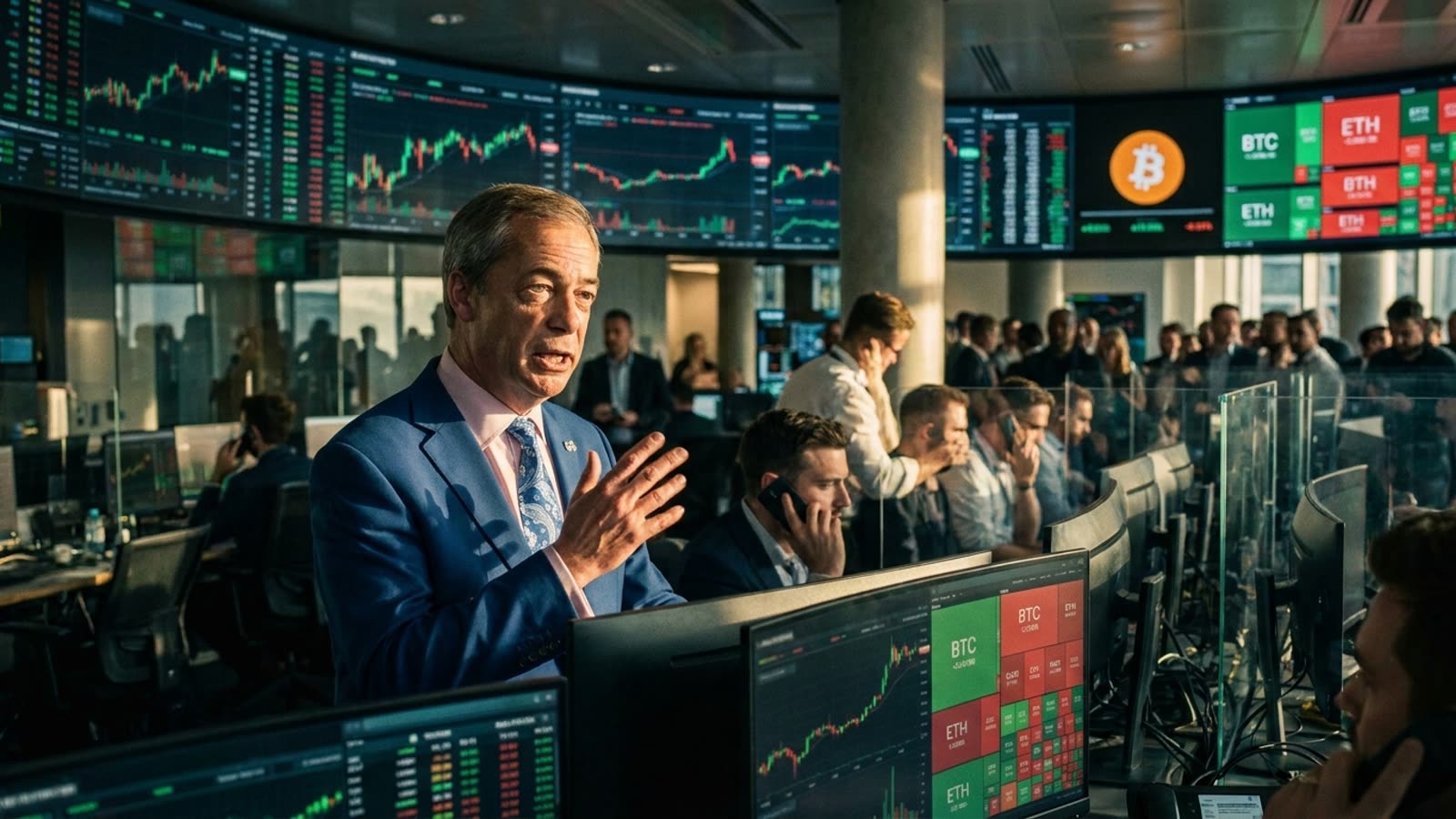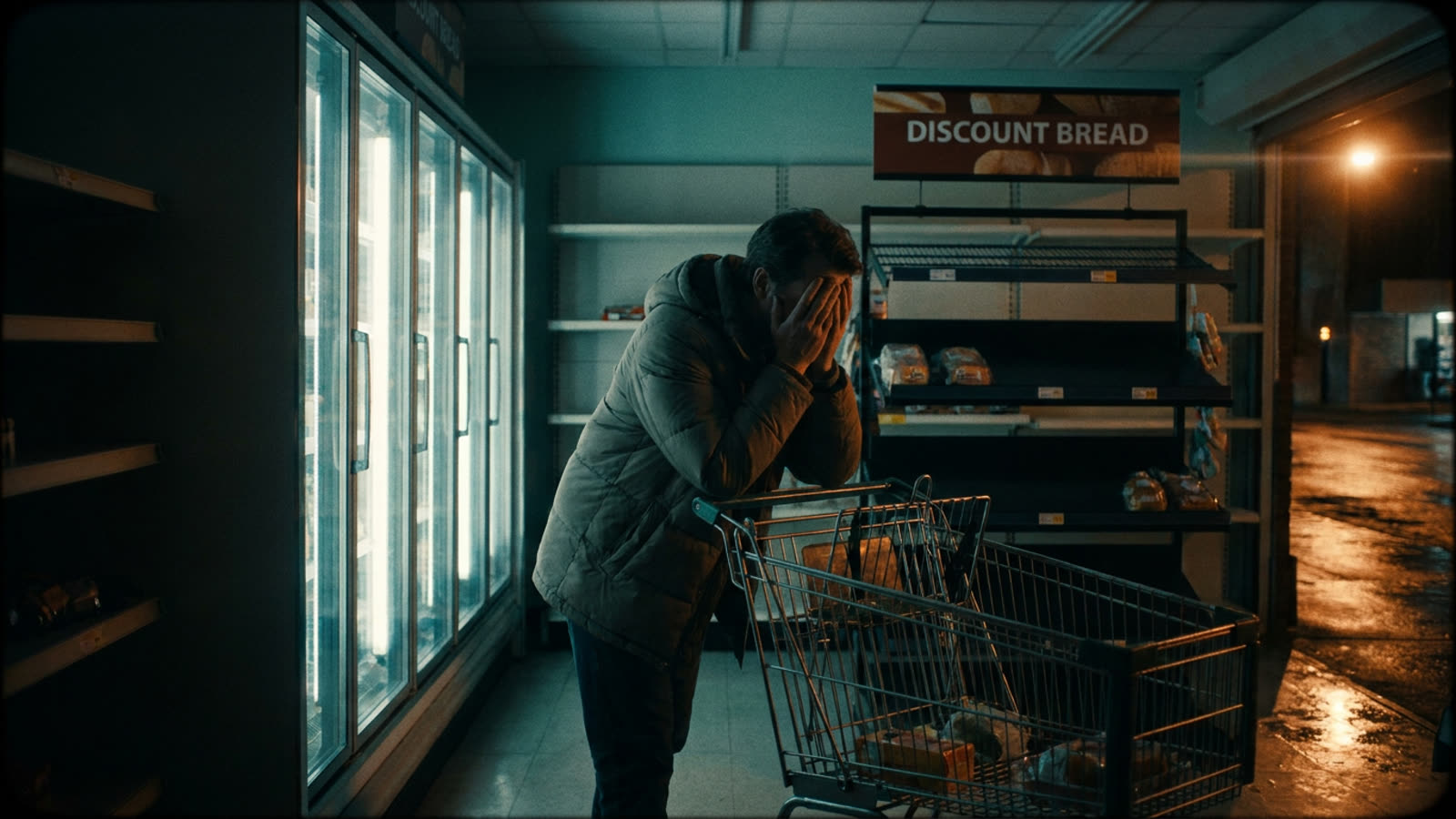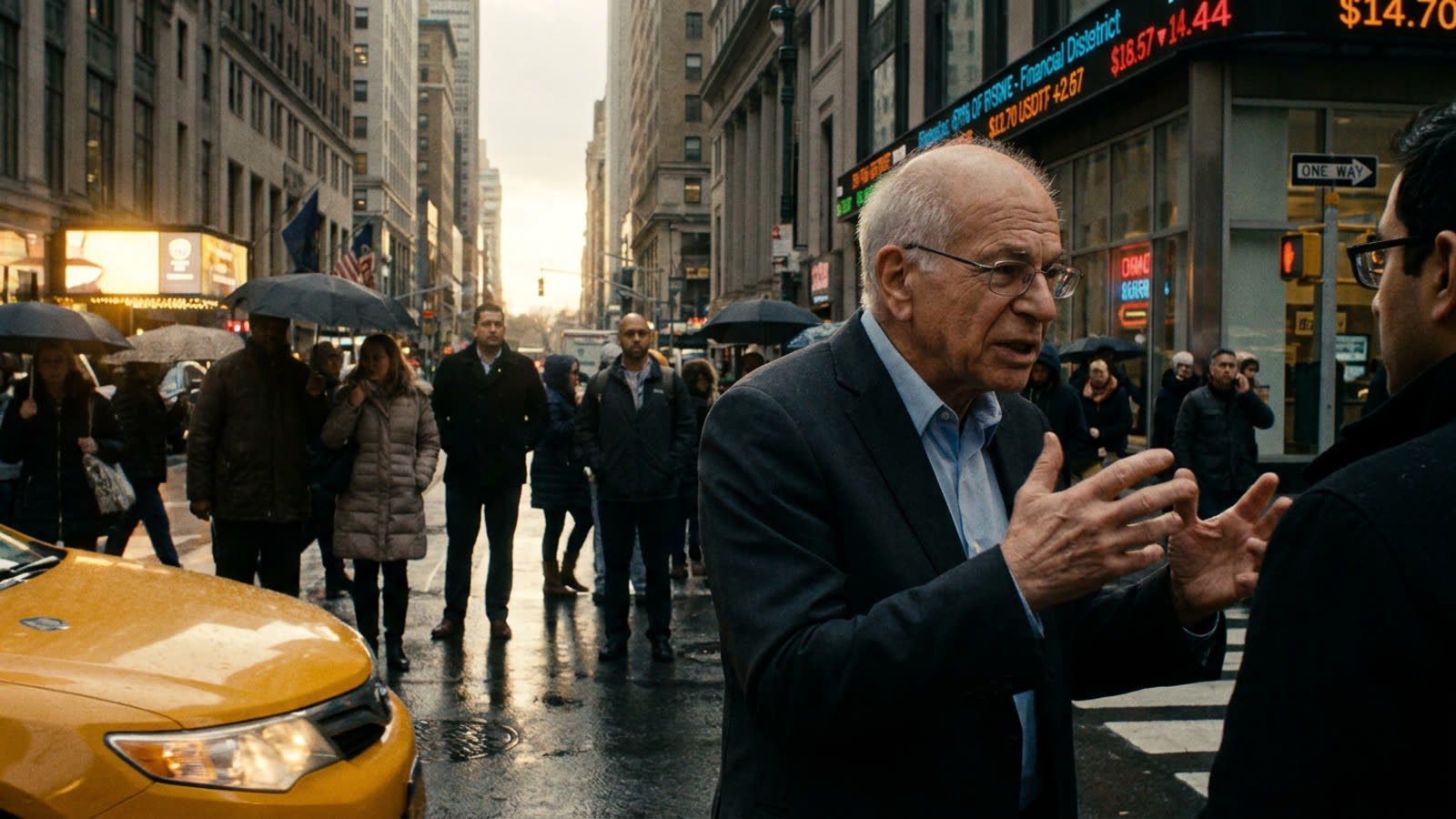
The American economy has grown, in inflation-adjusted terms, for the vast majority of years since the Second World War. Recessions are the exception, not the rule. Yet ask most people about their economic experience and you will hear a litany of anxieties, near-misses, and scars. This is not irrationality. It is how human beings are wired.
The phenomenon has a name: loss aversion. Pioneered by psychologists Daniel Kahneman and Amos Tversky in the 1970s, the research demonstrated that the pain of losing a given amount exceeds the pleasure of gaining the same amount by roughly a factor of two. A fifty-dollar parking ticket stings more than a fifty-dollar rebate delights. Scale this up to job losses, home foreclosures, and depleted retirement accounts, and you begin to understand why a two-year recession can psychologically outweigh a decade of steady growth.
The arithmetic of memory
Economists often puzzle over why consumer confidence surveys diverge so sharply from headline GDP figures. Part of the answer lies in what people remember. A worker who lost a job in 2009 and found a new one in 2011 does not mentally average those years into a wash. The layoff—the shock, the scramble, the identity crisis—occupies disproportionate space in memory. The subsequent recovery feels less like a gain and more like a return to baseline, which the brain discounts.
This asymmetry compounds across generations. Parents who lived through severe downturns transmit caution to children who never experienced the event directly. The Great Depression shaped spending habits for decades after prosperity returned. More recent research suggests that people who came of age during recessions remain more risk-averse in their investment behavior for life, even when their personal finances recover.
Policy through the loss-aversion lens
Governments instinctively understand this asymmetry, even if they rarely articulate it. Stimulus programs during downturns are politically urgent not merely because unemployment is high, but because the electorate's psychological distress is acute. Conversely, politicians rarely receive credit for preventing recessions that never happened—an invisible gain triggers no gratitude.
Central bankers face a version of the same problem. Raising interest rates to cool an overheating economy imposes visible, immediate pain on borrowers. The benefit—avoided inflation or a prevented bubble—is counterfactual and abstract. This asymmetry biases policy toward delay, which sometimes allows imbalances to grow larger than they should.
Our take
Understanding loss aversion does not make recessions hurt less, but it does clarify why economic discourse so often feels disconnected from economic data. When commentators ask why the public remains gloomy despite positive indicators, the answer is not ignorance. It is that human beings are running mental accounting software optimized for survival, not spreadsheets. The next time you hear that the economy is doing fine and wonder why it does not feel that way, remember: your brain is working exactly as designed. It just was not designed for quarterly GDP reports.