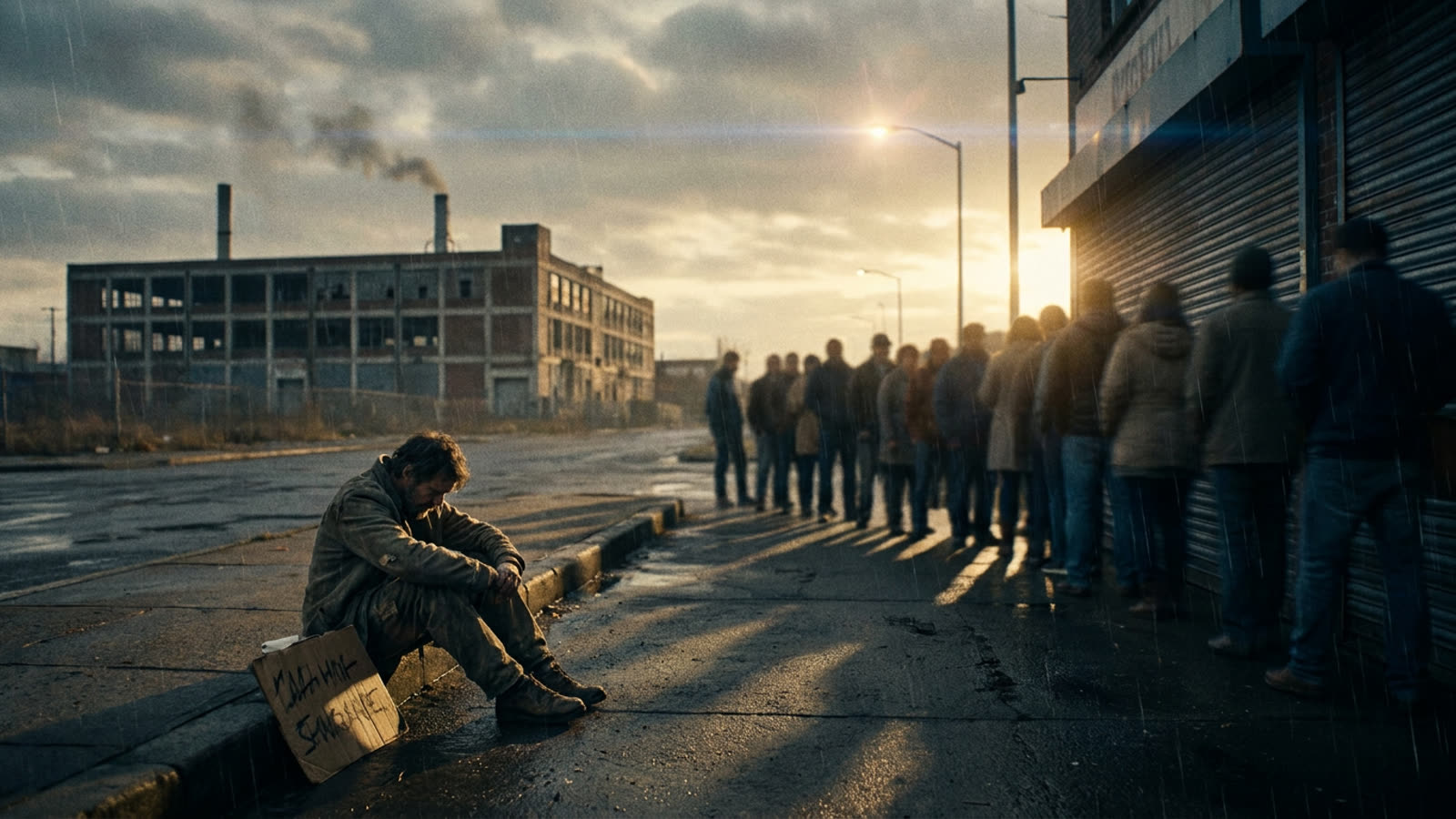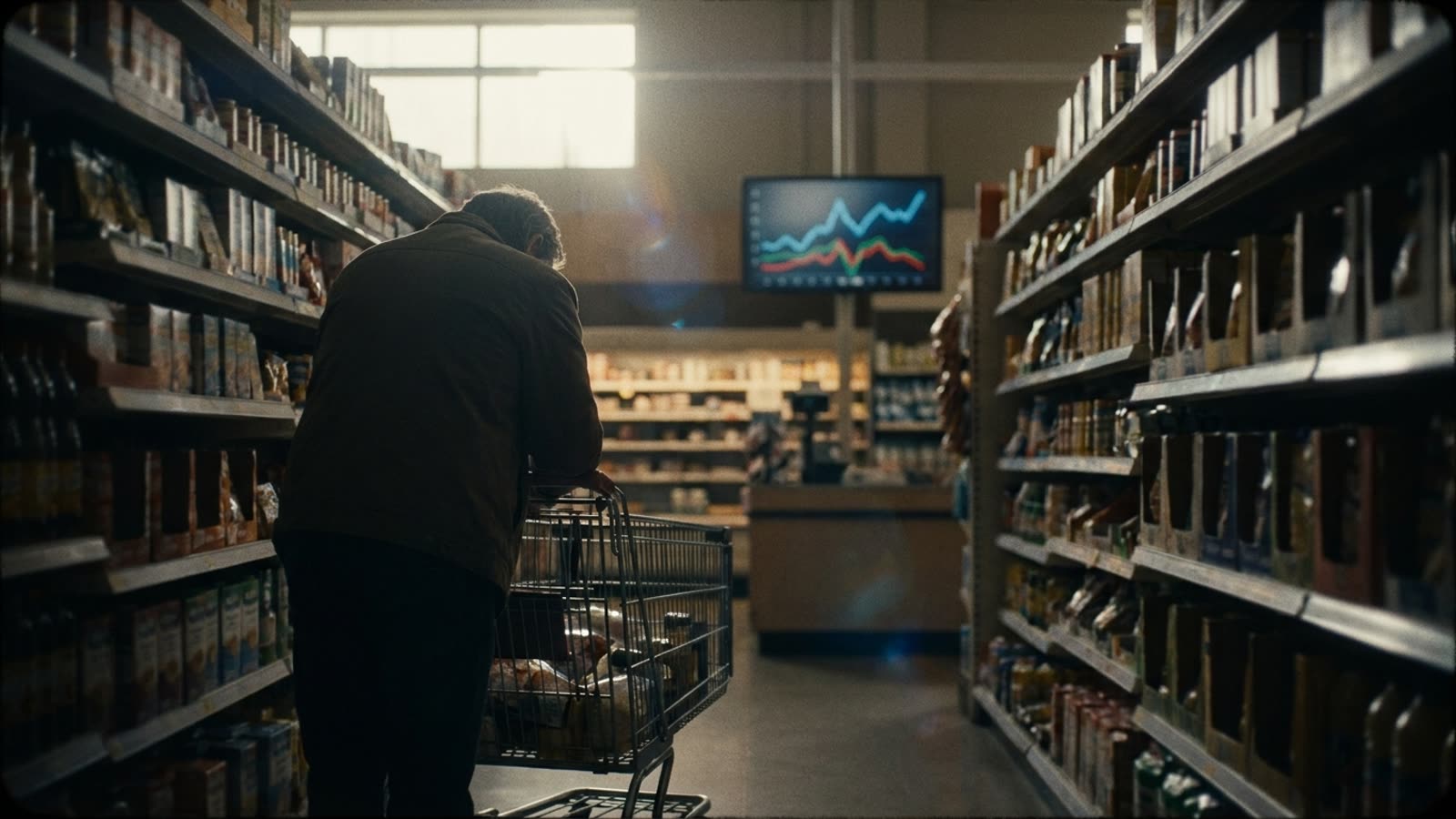
When central bankers celebrate inflation falling from eight percent to three percent, they are describing the rate of change. When your neighbor complains that eggs cost twice what they did four years ago, she is describing the level. Both are correct, and the chasm between these two truths explains much of the simmering rage that has defined economic discourse in the post-pandemic era.
The confusion is baked into the architecture of price measurement itself. Inflation indices are designed to answer one narrow question: how much more expensive is a fixed basket of goods this month compared to last year? They are not designed to answer the question most people actually care about: why does my paycheck feel like it buys less life than it used to?
The compounding problem
A three-percent annual inflation rate sounds benign until you let it run. Over a decade, prices rise roughly thirty-four percent. Over two decades, they nearly double. The psychological trick is that humans adapt to each year's new baseline, then experience the next increase as a fresh insult rather than a continuation of an old trend. The central bank sees a gentle slope; the household sees a staircase where each step is higher than the last and there is no landing in sight.
This is why "disinflation" — the slowing of price increases — never feels like relief. Prices are still rising, just less quickly. The bread that cost two dollars, then three, now costs three-fifteen instead of three-thirty. The statistician records progress. The shopper records another loss.
What the basket misses
Official indices rely on "hedonic adjustment," a method that attempts to account for quality improvements. If a new laptop costs the same as last year's model but has a faster processor, the index treats it as a price decline. This is intellectually defensible — you are getting more computing power per dollar — but it is also irrelevant to anyone who simply needed a laptop and now has no cheaper option.
Similarly, substitution effects assume that when beef prices spike, households switch to chicken, and the index adjusts accordingly. The math is sound. The lived experience is that you wanted beef and settled for chicken, which is not the same as prices staying flat.
Housing presents the deepest distortion. Most indices use "owners' equivalent rent," an imputed figure estimating what homeowners would pay to rent their own homes. This abstraction smooths out the wild swings in actual mortgage payments, property taxes, and insurance premiums that dominate household budgets. A family whose home insurance doubled last year will find little comfort in a national index that shows shelter costs rising at a modest clip.
The memory tax
Perhaps the cruelest feature of inflation is that it taxes memory. The prices we remember most vividly are the ones from formative years — the cost of a movie ticket in college, the rent on a first apartment. These anchor points become permanent reference frames, and every subsequent price feels like a deviation from some imagined natural order.
Economists call this "money illusion," the tendency to think in nominal rather than real terms. But the illusion is not entirely irrational. Wages rarely keep pace with prices in neat, simultaneous increments. Raises come annually, if at all; price increases arrive weekly. The lag creates a perpetual sense of falling behind, even when long-run real wages are stable.
Our take
The gap between inflation statistics and kitchen-table economics is not a failure of measurement so much as a failure of communication. Central banks and finance ministries speak in rates of change because that is what monetary policy can influence. Households speak in levels because that is what their bank accounts reflect. Until policymakers learn to acknowledge the cumulative burden — not just the monthly increment — they will keep wondering why good numbers produce bad poll ratings. The math is not wrong. The empathy is missing.