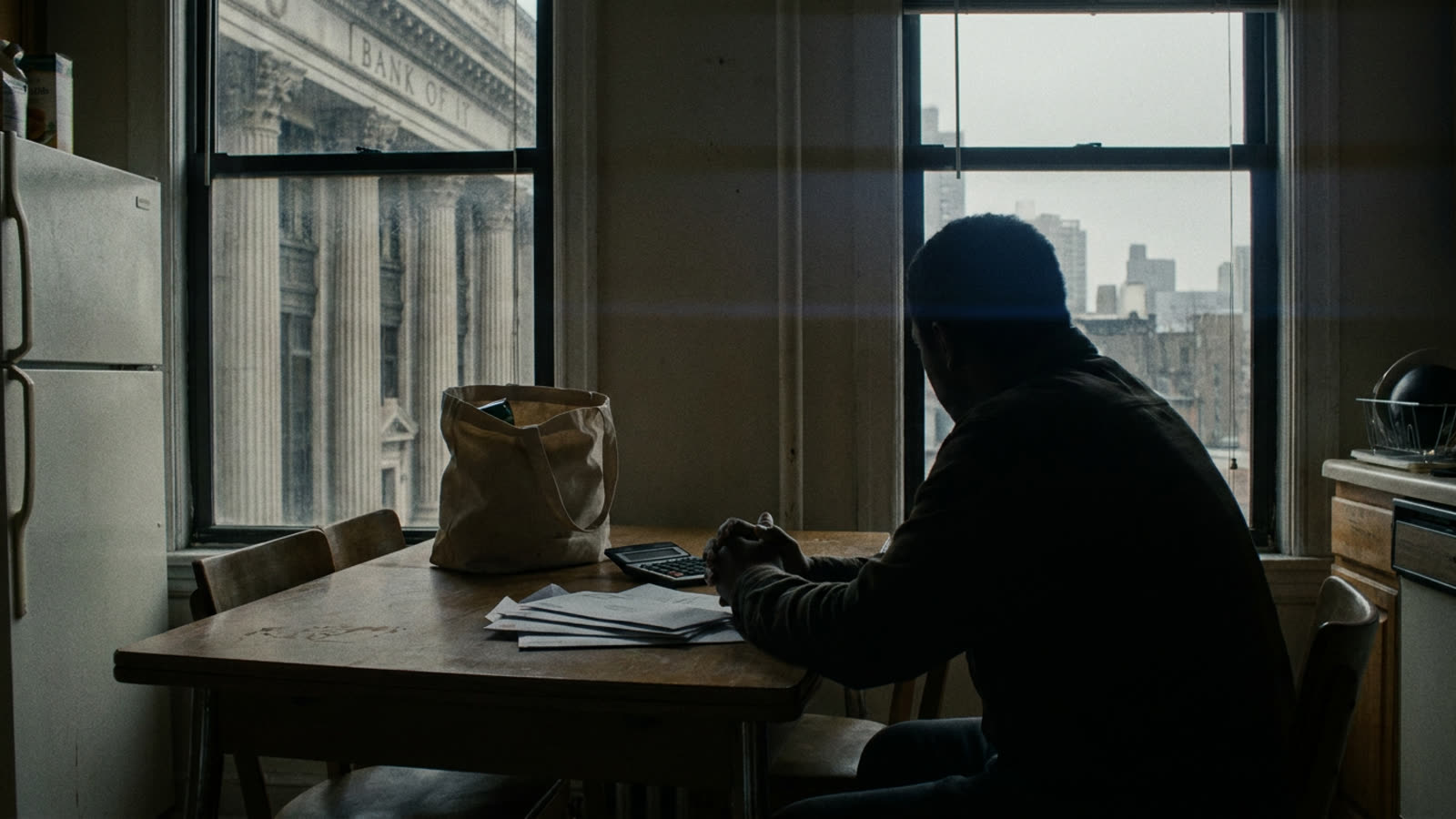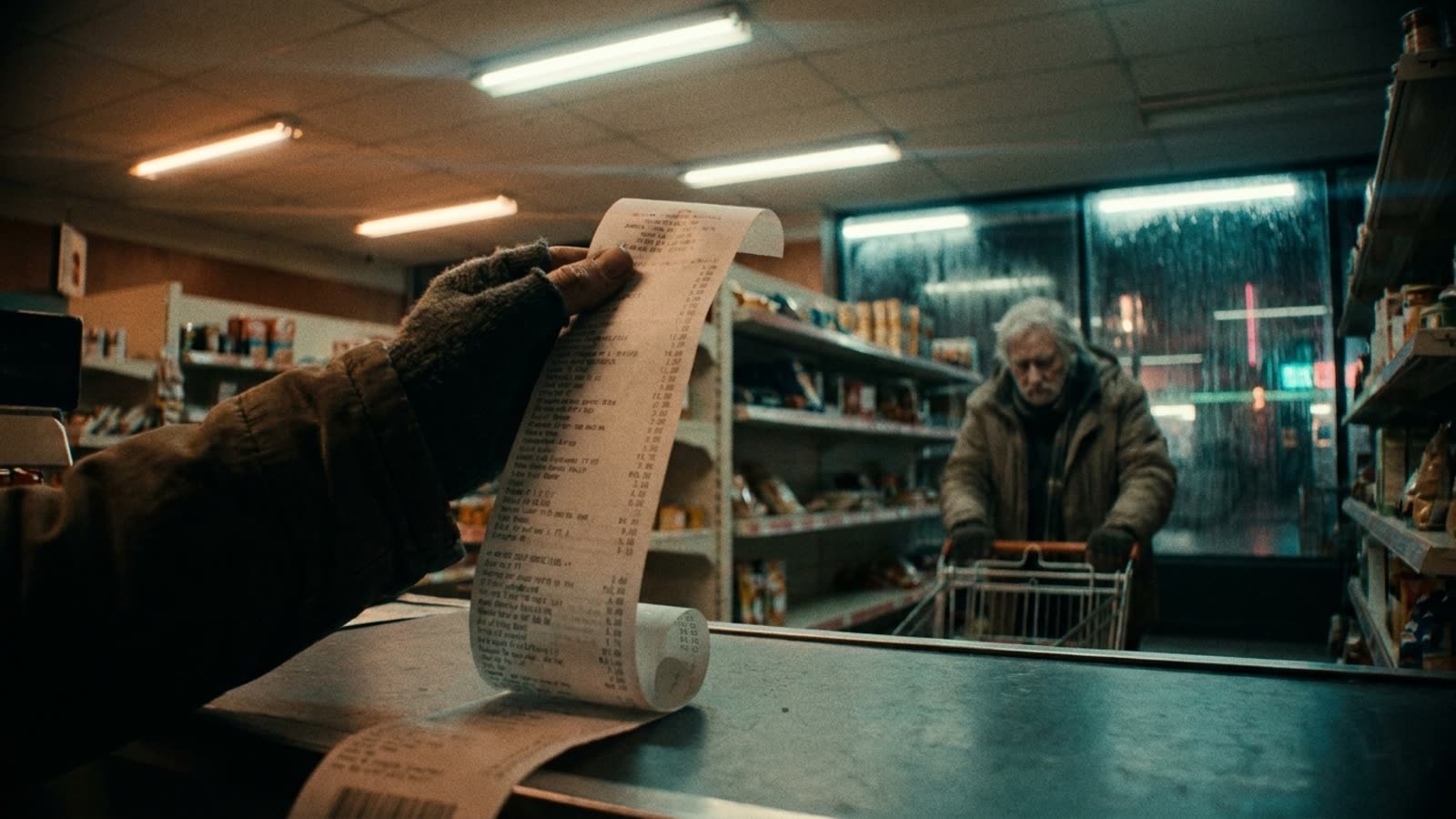
There is a peculiar dissonance in modern economic life. The Federal Reserve chair announces that inflation has returned to target. The Bureau of Labor Statistics releases a reassuringly modest Consumer Price Index figure. And yet you stand in the checkout line, watching the total climb past what you budgeted, wondering if you've somehow misremembered what groceries used to cost.
You haven't. The gap between measured inflation and experienced inflation is real, and it stems from fundamental differences between how statisticians calculate price changes and how human beings actually feel them.
The mathematics of forgetting
Official inflation measures track the rate of change, not the level. When economists celebrate inflation falling from eight percent to three percent, they are celebrating that prices are rising more slowly — not that prices have fallen. The eggs that cost three dollars before the inflationary surge now cost four-fifty, and they will continue costing four-fifty even as the Fed declares victory. The cumulative price increase has become permanent, baked into the new baseline.
This is not a flaw in measurement; it is a feature of how inflation statistics are designed. But it creates a persistent perception gap. Households remember what things used to cost. The official data does not care what things used to cost.
Where you spend versus where they measure
The CPI is a weighted average across thousands of goods and services, calibrated to represent the spending patterns of a typical urban consumer. But no actual human is typical. A retiree on a fixed income spends disproportionately on healthcare and utilities. A young family with children faces relentless pressure from childcare, diapers, and formula. A commuter in a car-dependent suburb experiences gasoline prices with an intensity that a Manhattan subway rider cannot fathom.
The official basket also includes categories that have experienced genuine deflation over decades — televisions, computers, certain appliances — weighted against the necessities that dominate monthly budgets. Your laptop may be cheaper per unit of computing power than it was in 2010, but you buy a laptop once every several years. You buy food every week.
The psychology of loss
Behavioral economists have documented that losses loom larger than equivalent gains. A price increase of fifty cents on your morning coffee registers as an insult; a fifty-cent decrease would barely register as a kindness. This asymmetry means that even modest inflation accumulates emotional weight in a way that modest deflation never quite offsets.
There is also the matter of frequency. Gasoline prices are displayed on towering signs visible from the highway. Rent increases arrive as formal letters. The prices of things we buy constantly and unavoidably are the prices we notice, remember, and resent. The gradual cheapening of consumer electronics happens in the background, unremarked.
Our take
The official inflation statistics are not wrong, but they are answering a different question than the one most people are asking. Economists want to know whether the price level is accelerating dangerously. Households want to know why their money doesn't stretch like it used to. Both are legitimate inquiries, and the answer to the first does not resolve the second. Until policymakers acknowledge this gap — not as a communications failure but as a genuine economic phenomenon — the public will continue to feel dismissed by reassurances that the numbers say everything is fine. The numbers say what they measure. They do not measure what people feel.