Every month, when the Bureau of Labor Statistics releases its employment figures or the Commerce Department publishes GDP estimates, policymakers and markets treat these numbers as gospel. They are, at best, educated guesses about an economy that is far messier, more informal, and more opaque than the official data suggests. The shadow economy — that vast realm of unreported income, off-the-books work, and cash transactions — represents somewhere between seven and twelve percent of American GDP, depending on whose estimates you trust. In some European countries, the figure runs higher. In developing economies, it can exceed forty percent.
This is not primarily about criminality, though that exists. It is about the landscaper paid in cash, the restaurant that underreports tips, the freelancer who invoices through a dozen platforms, the grandmother who babysits for money that never touches a bank. It is about economic activity that is perfectly legal but statistically invisible.
Why measurement matters
When the Federal Reserve raises interest rates to cool an overheating economy, it is operating on data that systematically undercounts certain kinds of economic activity. If the shadow economy is growing — as some researchers believe it has been, accelerated by the gig economy and peer-to-peer payment apps — then official statistics may be understating both employment and inflation in ways that distort policy decisions.
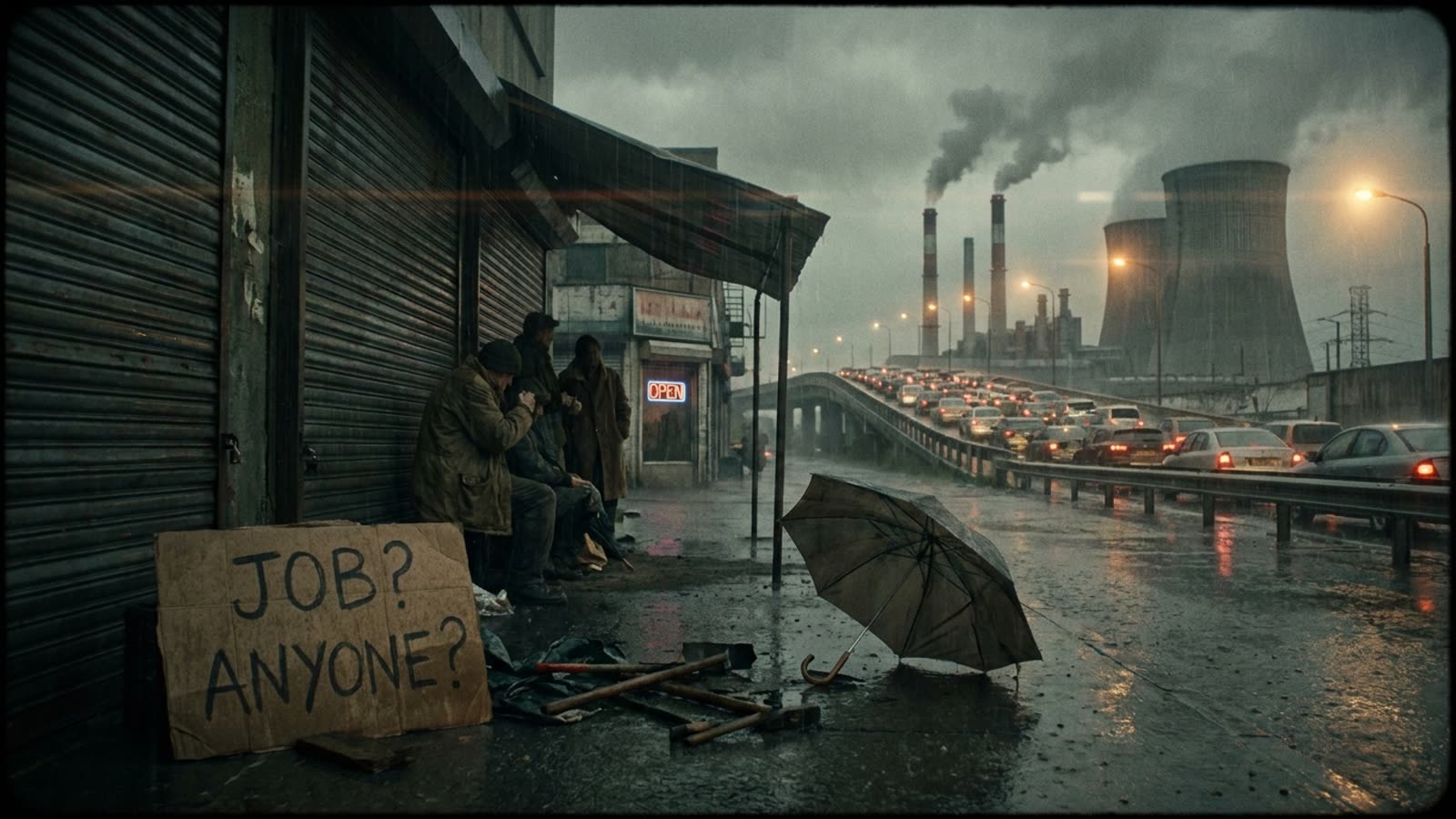
Consider unemployment figures. The official rate captures people actively seeking formal employment. It does not capture the construction worker who lost his W-2 job but picked up cash work the following week. To the statistics, he is unemployed. To his household budget, he is not. This matters enormously when policymakers decide whether the labor market is tight enough to warrant intervention.
The technology paradox
Digital payment platforms were supposed to bring the shadow economy into the light. Every Venmo transaction, every PayPal invoice, every Cash App payment leaves a digital trail. In theory, this should make unreported income harder to hide. In practice, the effect has been more ambiguous. These platforms have made informal transactions easier, not harder. The friction of cash — the need to meet in person, the inconvenience of exact change — once served as a natural brake on off-the-books commerce. That brake is largely gone.
Meanwhile, cryptocurrency has created entirely new channels for economic activity that exists outside traditional measurement. The IRS has made progress in tracking crypto transactions, but enforcement remains patchy, and privacy-focused coins continue to evolve faster than regulatory capacity.
The policy blind spot
Central bankers are not unaware of this problem. The Fed employs sophisticated economists who build models accounting for measurement error. But there is a difference between knowing a blind spot exists and being able to see through it. When the shadow economy expands during recessions — as it historically does, when formal employment becomes scarce — official statistics may overstate the severity of downturns. When it contracts during booms, they may understate inflationary pressure.
This creates a structural bias in monetary policy: a tendency to overstimulate during recoveries and overtighten during expansions, always chasing data that lags the reality on the ground.
Our take
The shadow economy is not a bug in capitalism; it is a feature. It represents the gap between how regulators wish people would behave and how they actually do. That gap will never close entirely, and perhaps it should not — some degree of economic informality provides flexibility and resilience that rigid formal structures cannot. But policymakers would do well to remember that the economy they measure and the economy that exists are not quite the same thing. Humility about data is the beginning of wisdom in central banking.