The economics of ransomware have always depended on anonymity being cheap and reliable. That calculus shifted this week when an international law enforcement coalition shuttered a VPN service that had quietly become the backbone for at least two dozen ransomware gangs, according to officials involved in the operation.
The takedown represents a strategic pivot in how authorities approach cybercrime—targeting not the gangs themselves, which reconstitute with frustrating speed, but the shared infrastructure that makes their operations viable. It's the difference between arresting drug dealers and seizing the port they all use.
The bulletproof problem
So-called bulletproof hosting and VPN services have long occupied a gray zone in the internet economy. They promise privacy and jurisdiction-shopping to customers who pay premium rates for the assurance that their provider won't cooperate with law enforcement. The service in question—whose name authorities have not yet released pending further arrests—allegedly operated servers across multiple countries specifically chosen for weak extradition treaties and limited cybercrime statutes.
What made this provider particularly valuable to ransomware operators was its payment infrastructure. Customers could pay in cryptocurrency through a layered system that made tracing funds nearly impossible. The service allegedly processed hundreds of millions of dollars in transactions annually, taking a percentage of ransomware payments as fees.
The coordination challenge
The operation required simultaneous action across at least seven countries, a logistical feat that would have been unthinkable a decade ago. Europol coordinated with the FBI, along with agencies in the Netherlands, Germany, France, and several Eastern European nations. The timing had to be precise—any warning would have allowed operators to migrate data and resurrect elsewhere within hours.
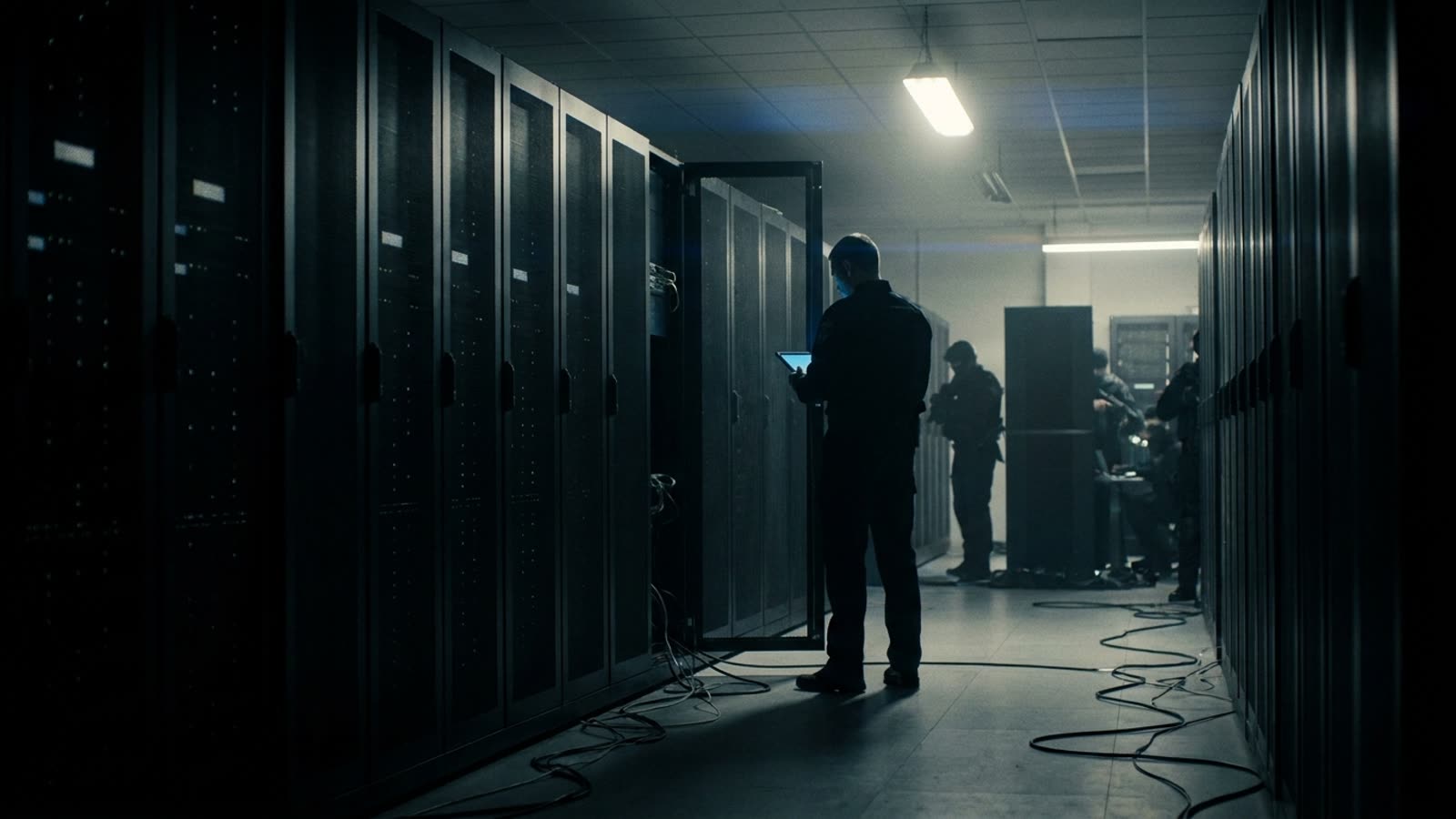
Authorities seized servers, arrested several individuals allegedly involved in running the service, and—perhaps most significantly—obtained customer records that could fuel prosecutions for months. The downstream effects may prove more consequential than the takedown itself.
Our take
Ransomware has matured into a professional industry with its own supply chains, and this operation finally treats it as such. The gangs will adapt; they always do. But forcing them to rebuild trust with new infrastructure providers, at higher prices and greater risk, imposes real costs. It's not a solution—the incentives for ransomware remain too lucrative—but it's a recognition that the old approach of chasing individual hackers was like bailing water while ignoring the hole in the hull.